Table of Contents
- Importance of Conveyor Systems in Food Processing
- What is a Conveyor System for Food Industry?
- Types of Food Processing Conveyor Systems
- How to Select the Right Conveyor System
- Key Selection Factors
- Applications Across Food Industries
- Benefits of Food Conveyor Automation
- Common Buying Mistakes
- Maintenance Tips
- Why Choose Yuga-We100?
- Frequently Asked Questions
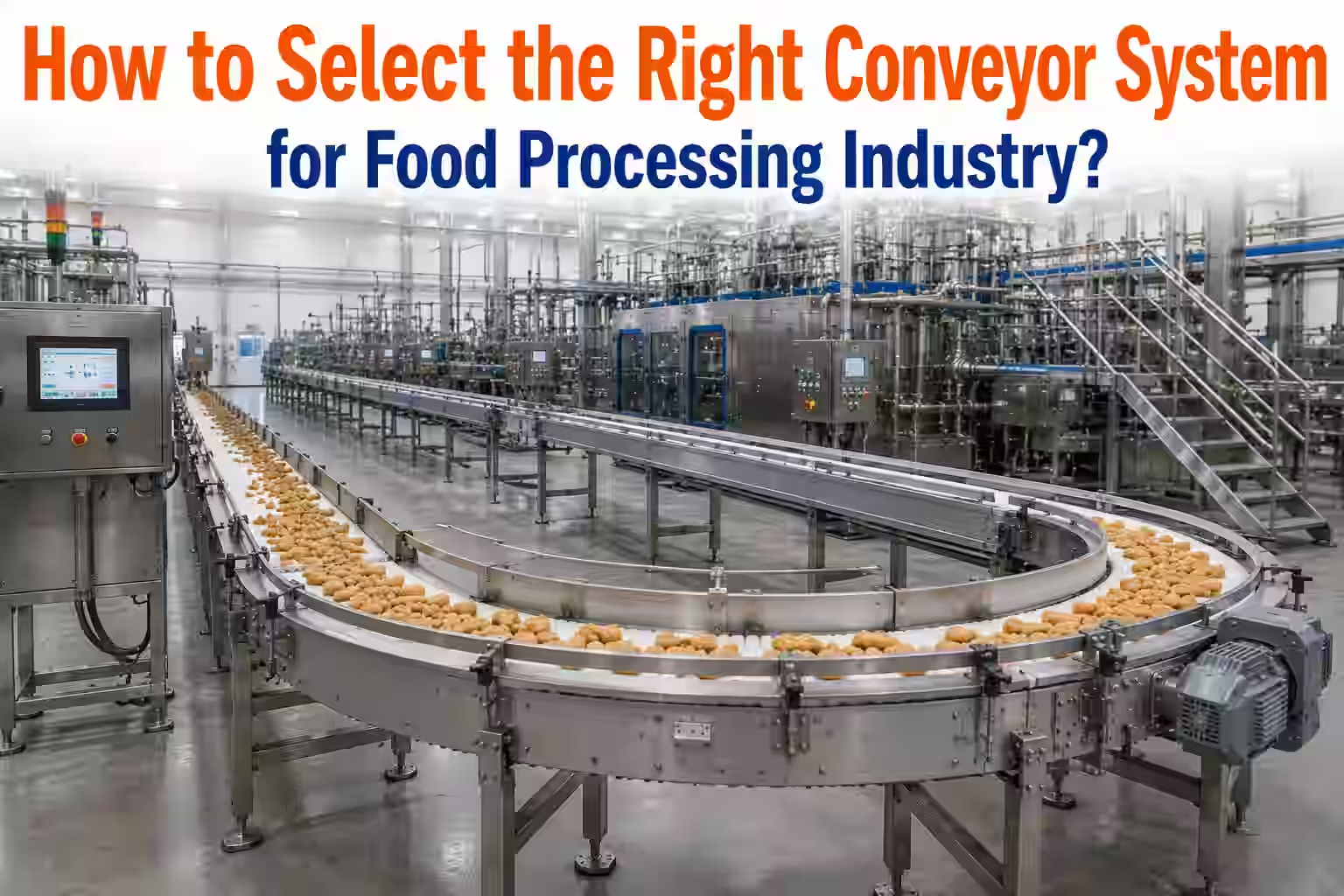
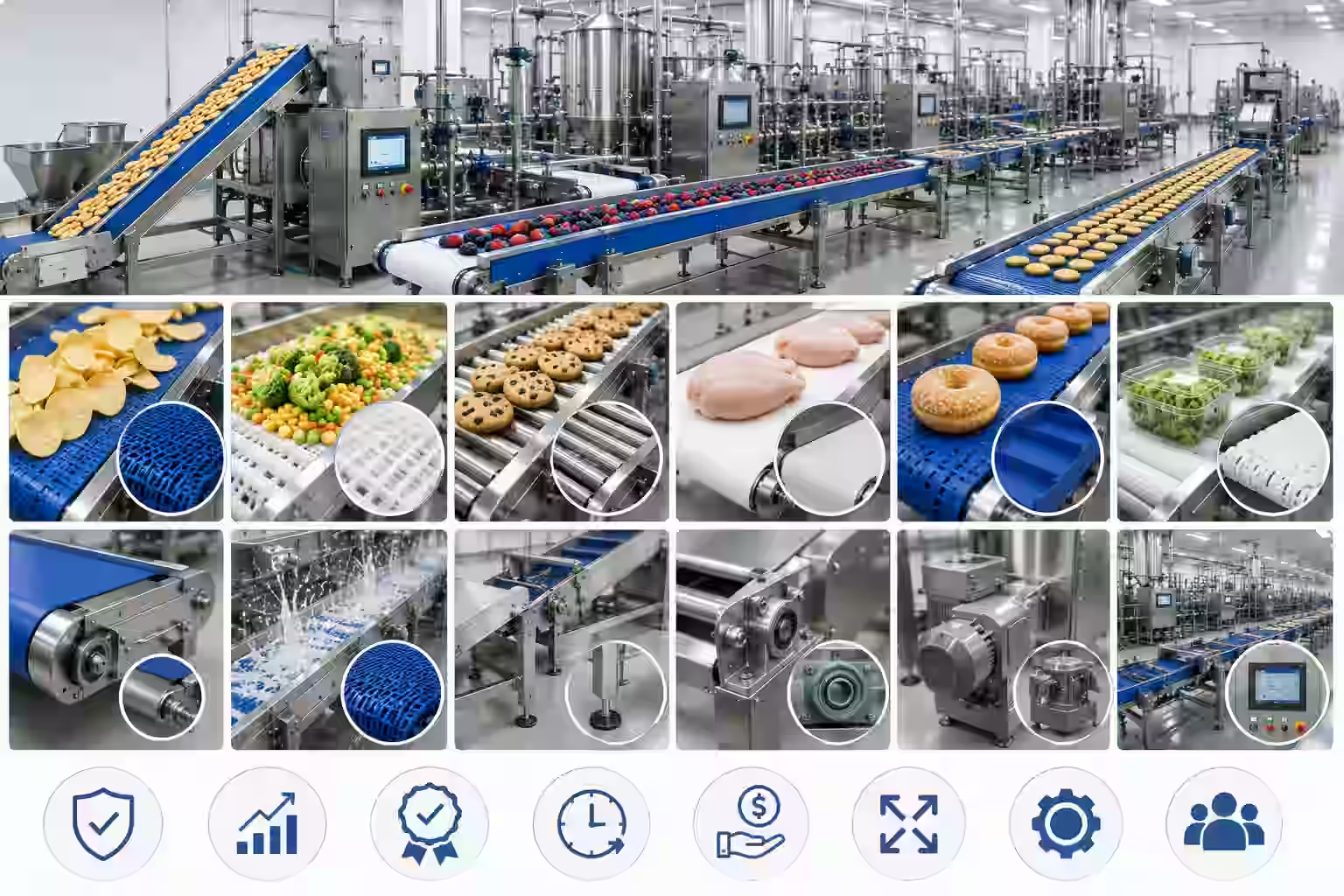
Selecting the right conveyor system for food industry operations is one of the most important decisions when designing a modern food manufacturing plant. An efficient conveyor system improves product flow, minimizes manual handling, enhances hygiene, and supports continuous production.
Whether you manufacture potato chips, namkeen, biscuits, bakery products, frozen foods, spices, grains, dairy products, or ready-to-eat meals, choosing the correct conveyor solution directly impacts productivity, food safety, and long-term operational costs.
A properly planned factory conveyor system design ensures smooth material movement between processing machines, weighing systems, seasoning equipment, packaging machines, and palletizing stations. Working with an experienced industrial conveyor manufacturer also ensures that your conveyor line is customized for your product type, production capacity, and available factory space.
Importance of Conveyor Systems in Food Processing
Modern food manufacturing plants rely heavily on automation, and the conveyor system for food industry serves as the backbone of every production line. Instead of manually transferring products between machines, conveyors automate product movement while maintaining hygiene, consistency, and production speed.
Why Conveyor Systems Are Essential
- Increase production efficiency
- Reduce manual labor requirements
- Improve food hygiene standards
- Ensure continuous product flow
- Minimize product damage
- Reduce production downtime
- Support fully automated production lines
- Improve worker safety
- Reduce operational costs
- Increase overall productivity
Today, manufacturers are increasingly investing in advanced factory conveyor system design solutions that integrate conveyors with automated processing, inspection, packaging, and palletizing systems. This integration enables factories to achieve higher output while maintaining consistent product quality.
What is a Conveyor System for Food Industry?
A conveyor system for food industry is a specialized material handling system designed to transport food products safely between different production stages. These conveyors are manufactured using food-grade materials such as stainless steel and FDA-approved conveyor belts to maintain hygiene and comply with food safety regulations.
Unlike conventional industrial conveyors, food conveyors are specifically engineered for easy cleaning, corrosion resistance, and contamination-free operation. They are commonly used in snack manufacturing, bakery production, dairy processing, frozen food plants, spice processing, grain handling, fruit and vegetable processing, and packaging operations.
An experienced industrial conveyor manufacturer can design customized conveyor systems that integrate seamlessly with existing food processing equipment, maximizing efficiency while minimizing maintenance requirements.
Types of Conveyor Systems Used in Food Processing
Different food products require different conveyor technologies. Selecting the appropriate conveyor depends on product characteristics, production speed, hygiene requirements, and factory layout.
| Conveyor Type | Best Application |
|---|---|
| Belt Conveyor | General food product transportation |
| Modular Belt Conveyor | Wet and washdown environments |
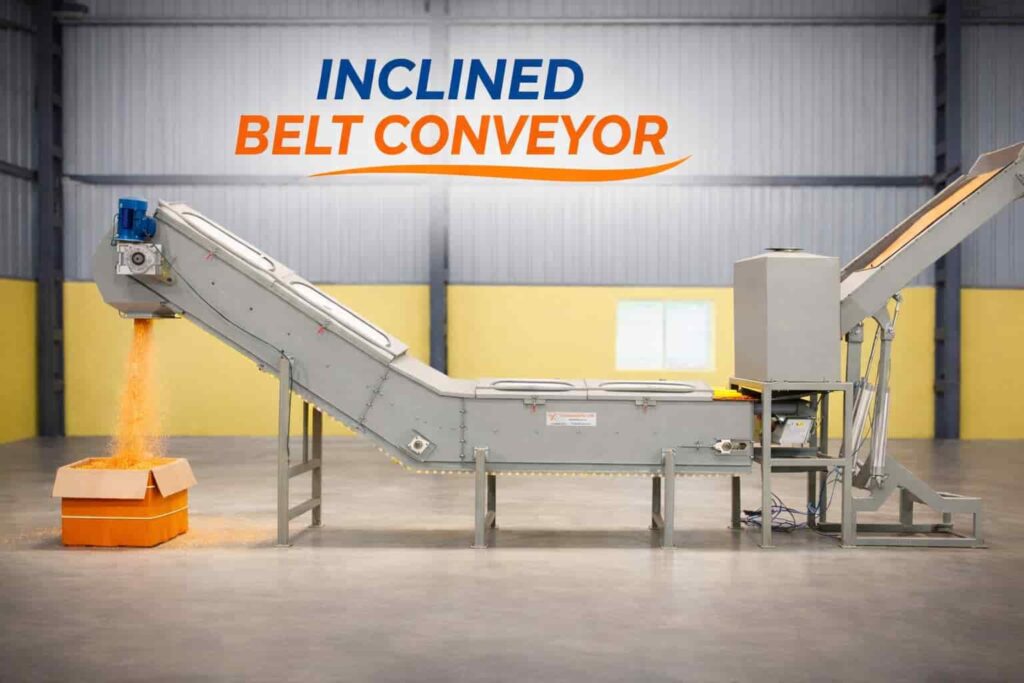
| Inclined Belt Conveyor | Vertical product transfer |
| Z Type Bucket Elevator | Snacks, grains, namkeen, dry fruits |
| Roller Conveyor | Cartons and packaged products |
| Wire Mesh Conveyor | Baking and cooling applications |
| Screw Conveyor | Powders and flour transfer |
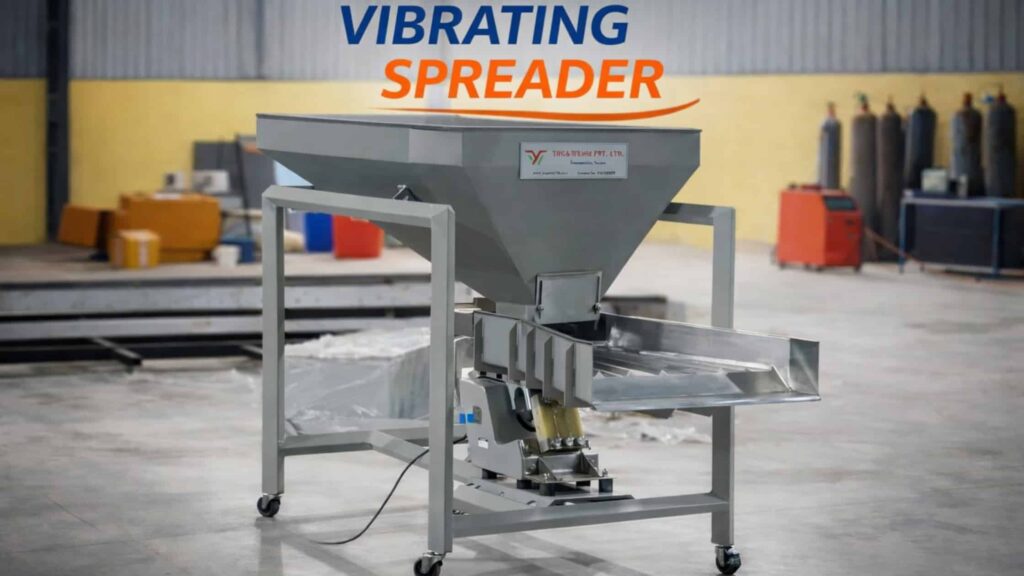
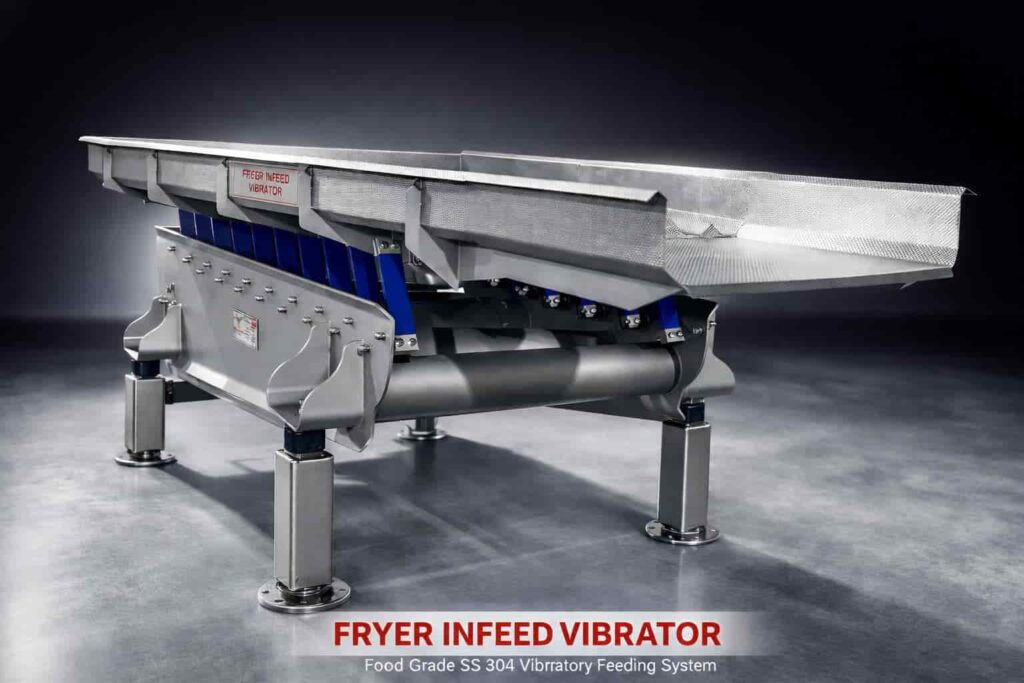
| Vibratory Conveyor | Fragile food products |
| Chain Conveyor | Heavy-duty material handling |
Each conveyor type offers unique advantages. A professional factory conveyor system design combines multiple conveyor technologies to create an efficient and fully automated food production line.
How to Select the Right Conveyor System for Food Industry
Choosing the ideal conveyor system for food industry applications requires careful evaluation of your production process, product characteristics, factory layout, and future expansion plans. Investing in the right conveyor not only improves production efficiency but also reduces operating costs and supports long-term business growth.
A well-designed factory conveyor system design ensures smooth integration between processing equipment, seasoning systems, inspection machines, packaging lines, and palletizing stations. Working with an experienced industrial conveyor manufacturer allows manufacturers to customize conveyor layouts according to production requirements.
Steps to Select the Right Conveyor System
- Understand the type of food product being handled.
- Determine required production capacity.
- Evaluate available installation space.
- Select food-grade conveyor materials.
- Consider cleaning and sanitation requirements.
- Choose the appropriate conveyor type.
- Plan for future production expansion.
- Select an experienced industrial conveyor manufacturer.
Key Factors to Consider Before Installation
Every food processing plant has unique operational requirements. Selecting the right conveyor system for food industry depends on several technical and operational factors that directly affect productivity and food safety.
| Selection Factor | Recommendation |
|---|---|
| Product Type | Solid, powder, granules, frozen, bakery, snacks or liquids |
| Production Capacity | Select conveyor speed according to hourly output |
| Factory Layout | Optimize material flow and reduce bottlenecks |
| Conveyor Material | SS304 or SS316 stainless steel for food safety |
| Cleaning Requirements | Easy washdown and hygienic construction |
| Automation Level | Compatible with PLC and smart control systems |
| Maintenance | Easy access for servicing and spare parts replacement |
| Energy Efficiency | Low power consumption with VFD-controlled motors |
Comparison of Popular Food Conveyor Systems
Different conveyors are designed for different applications. The table below helps compare commonly used food conveyors.
| Conveyor | Best For | Main Advantage |
|---|---|---|
| Belt Conveyor | General food handling | Simple and economical |
| Modular Belt Conveyor | Wet food processing | Easy cleaning |
| Inclined Belt Conveyor | Vertical transportation | Space saving |
| Z Type Bucket Elevator | Snacks and fragile products | Gentle product handling |
| Roller Conveyor | Cartons and packaging | Heavy-duty operation |
| Screw Conveyor | Powders and flour | Dust-free conveying |
| Wire Mesh Conveyor | Baking and cooling | Excellent airflow |
Applications of Conveyor Systems in Food Processing
A modern conveyor system for food industry can be customized for almost every food manufacturing application. Whether transporting raw ingredients or finished packaged products, conveyors improve efficiency throughout the production process.
- Potato Chips Manufacturing Plants
- Namkeen Production Lines
- Bakery and Biscuit Manufacturing
- Rice and Grain Processing Plants
- Spice Processing Units
- Frozen Food Production
- Dairy Processing Plants
- Dry Fruit Processing
- Ready-to-Eat Food Manufacturing
- Fruit and Vegetable Processing
- Pulse and Seed Handling
- Snack Food Packaging Lines
- Confectionery Manufacturing
- Pet Food Production
- Beverage and Bottling Plants
Modern factory conveyor system design enables seamless movement of materials from receiving, cleaning, sorting, seasoning, inspection, packaging, and palletizing. By integrating conveyors with automated machinery, manufacturers achieve continuous production with minimal manual intervention.
Typical Conveyor Flow in a Food Processing Plant
| Production Stage | Conveyor Function |
|---|---|
| Raw Material Receiving | Transfers ingredients to processing equipment |
| Processing Section | Moves products between machines |
| Inspection | Feeds products to quality control systems |
| Seasoning / Mixing | Transfers products automatically |
| Packaging | Feeds automatic packaging machines |
| Carton Packing | Moves packaged products to case packers |
| Palletizing | Transfers cartons for storage and dispatch |
A professionally engineered conveyor system for food industry ensures smooth product flow across every production stage, minimizes downtime, and increases overall factory efficiency.
Types of Conveyor Systems for Food Industry
Different food products require different conveying solutions. Selecting the appropriate conveyor system for food industry applications depends on product characteristics, production capacity, hygiene requirements, and factory layout. A reliable industrial conveyor manufacturer can customize systems to suit specific processing needs.
| Conveyor Type | Suitable Applications |
|---|---|
| Belt Conveyor | Bakery, snacks, vegetables, packaged foods |
| Modular Belt Conveyor | Wet food processing and washing lines |
| Roller Conveyor | Cartons, boxes, secondary packaging |
| Z Type Bucket Elevator | Grains, namkeen, chips, dry fruits |
| Screw Conveyor | Powders, flour, spices |
| Chain Conveyor | Heavy containers and industrial applications |
| Inclined Conveyor | Vertical product transfer |
| Wire Mesh Conveyor | Baking, cooling, frying lines |
Key Factors to Select the Right Conveyor System
Choosing the right conveyor system for food industry is more than selecting a conveyor belt. A properly engineered factory conveyor system design improves productivity, reduces downtime, maintains hygiene, and supports future production expansion.
Important Selection Factors
- Type of food product being conveyed
- Production capacity per hour
- Factory layout and available floor space
- Required conveyor speed
- Inclined or horizontal conveying requirement
- Food-grade construction material (SS304/SS316)
- Cleaning and sanitation requirements
- Automation compatibility
- Energy efficiency
- Maintenance accessibility
- Future production expansion plans
- Budget and return on investment
Factory Conveyor System Design Considerations
A professional factory conveyor system design ensures smooth product flow throughout the production line while minimizing bottlenecks. Proper design improves operational efficiency, worker safety, and product quality.
| Design Element | Importance |
|---|---|
| Plant Layout | Optimizes workflow and reduces travel distance |
| Conveyor Length | Matches production requirements |
| Belt Width | Supports product size and capacity |
| Drive System | Provides stable and efficient operation |
| Safety Guards | Protects operators and equipment |
| Automation Controls | PLC and VFD integration for smart operation |
| Cleaning Access | Simplifies maintenance and sanitation |
Benefits of Choosing the Right Conveyor System
Installing the right conveyor system for food industry provides long-term operational advantages. Working with an experienced industrial conveyor manufacturer ensures reliable equipment and optimized production performance.
- Higher production efficiency
- Reduced manual handling
- Improved food hygiene
- Lower operational costs
- Continuous material flow
- Reduced product damage
- Better worker safety
- Easy production line integration
- Energy-efficient operation
- Lower maintenance requirements
- Scalable production capacity
- Higher return on investment

Applications of Conveyor Systems in Food Processing
A modern conveyor system for food industry is used throughout the entire food manufacturing process, from raw material handling to finished product packaging. Whether the application involves snacks, bakery products, dairy items, grains, or frozen foods, conveyor automation ensures smooth, hygienic, and efficient production.
- Potato Chips Manufacturing Plants
- Namkeen Processing Lines
- Bakery and Biscuit Manufacturing
- Rice and Grain Processing Plants
- Flour and Spice Processing Units
- Dairy Product Manufacturing
- Frozen Food Production
- Ready-to-Eat Food Plants
- Fruit and Vegetable Processing
- Dry Fruit and Nut Processing
- Confectionery Manufacturing
- Pet Food Production
- Beverage Bottling Plants
- Packaging and Palletizing Lines
Common Mistakes to Avoid
Many manufacturers invest in conveyor systems without evaluating their long-term production requirements. Avoiding these common mistakes helps maximize equipment life and return on investment.
- Selecting conveyors based only on price
- Ignoring food-grade hygiene standards
- Choosing incorrect conveyor capacity
- Not planning for future expansion
- Poor factory conveyor system design
- Using low-quality conveyor belts
- Ignoring preventive maintenance
- Choosing inexperienced industrial conveyor manufacturers
Maintenance Tips
Routine maintenance improves the performance and lifespan of every conveyor system for food industry. Proper maintenance also minimizes production downtime and keeps food processing operations hygienic.
- Clean conveyor belts after every production shift.
- Inspect motors and gearboxes regularly.
- Lubricate moving components according to schedule.
- Check belt tension and alignment.
- Replace damaged rollers immediately.
- Inspect electrical wiring and sensors.
- Verify emergency stop systems.
- Maintain proper sanitation standards.
- Schedule preventive maintenance every month.
- Train operators on safe conveyor operation.
Related Conveyor Solutions
Food Grade Conveyor SystemInclined Belt ConveyorZ Type Bucket ElevatorModular Belt ConveyorFood Processing Automation SystemPackaging Line AutomationStainless Steel Conveyor SystemIndustrial Conveyor ManufacturerWhy Choose Yuga-We100?
Yuga-We100 is a trusted industrial conveyor manufacturer specializing in customized conveyor system for food industry solutions. We design hygienic, food-grade conveyor systems that improve production efficiency while meeting international food safety standards.
- Customized factory conveyor system design
- Food-grade SS304 & SS316 construction
- Complete automation integration
- Energy-efficient conveyor systems
- High-quality engineering and fabrication
- Reliable after-sales support
- Quick installation and commissioning
- Pan-India service network
Looking for the Right Conveyor System for Your Food Processing Plant?
Yuga-We100 designs and manufactures customized conveyor system for food industry applications with advanced automation, hygienic construction, and reliable performance for every stage of food production.
Get Free ConsultationSelecting the right conveyor system for food industry is essential for improving productivity, ensuring food safety, and reducing operating costs. A professionally engineered factory conveyor system design supports smooth product flow, minimizes downtime, and integrates seamlessly with automated production lines. By partnering with an experienced industrial conveyor manufacturer like Yuga-We100, food manufacturers can build efficient, scalable, and future-ready processing plants.
Useful External Resources
To learn more about food safety regulations, conveyor system standards, and best manufacturing practices, explore the following trusted industry resources:
- FDA – Food Safety Modernization Act (FSMA)
- USDA – Food Safety and Inspection Service (FSIS)
- ISO 22000 – Food Safety Management Systems
- HACCP International – Food Safety Certification
- PMFME Scheme – Ministry of Food Processing Industries, Government of India
Frequently Asked Questions
1. Which conveyor system is best for food processing?
Food-grade belt conveyors, modular conveyors, Z type bucket elevators, and inclined conveyors are commonly used depending on the application.
2. Why should food conveyors be made from stainless steel?
Stainless steel provides corrosion resistance, easy cleaning, durability, and compliance with food safety standards.
3. What factors affect conveyor selection?
Product type, production capacity, hygiene requirements, factory layout, automation level, and maintenance requirements all influence conveyor selection.
4. Can conveyor systems be customized?
Yes. Conveyor length, width, speed, material, elevation, and automation controls can all be customized.
5. Which industries use food conveyor systems?
Snack foods, bakery, dairy, frozen foods, grains, spices, fruits, vegetables, ready-to-eat foods, and beverage industries all use conveyor systems.
6. What is a factory conveyor system design?
It is the planning and engineering of conveyor layouts that optimize product flow, efficiency, hygiene, and automation within a manufacturing facility.