Table of Contents
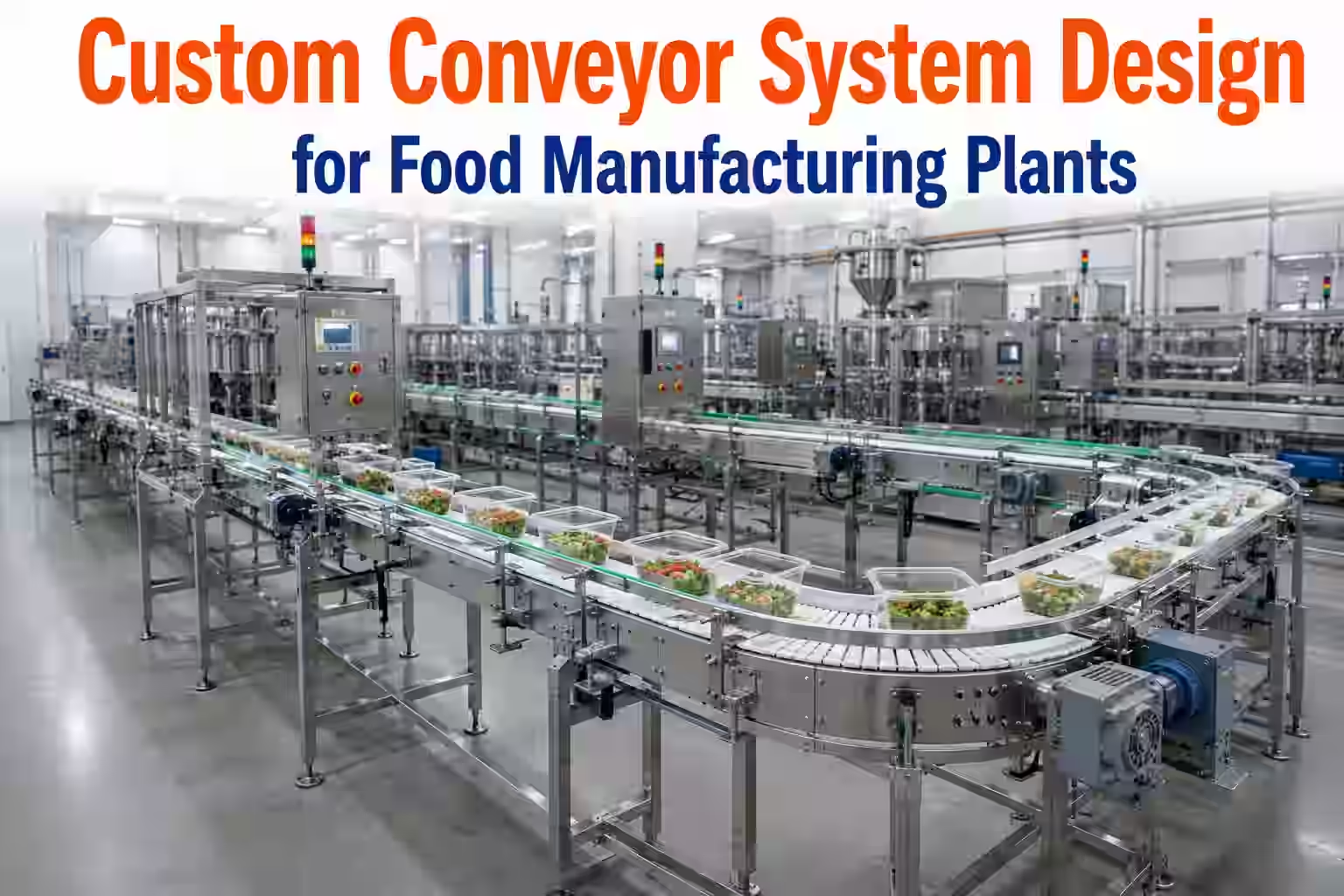
Modern food manufacturers require efficient, hygienic, and intelligent material handling systems to remain competitive. A well-planned factory conveyor system design ensures products move smoothly through every production stage, from raw material handling to final packaging. Whether manufacturing snacks, bakery products, spices, dairy items, frozen foods, or ready-to-eat meals, selecting the right conveyor layout directly impacts productivity and operational efficiency.
Unlike standard conveyors, a customized conveyor system is engineered according to factory layout, production capacity, available space, product characteristics, and future expansion plans. With today’s growing demand for smart manufacturing, integrating conveyor automation helps reduce manual handling, improve hygiene, minimize downtime, and maximize production output.
This comprehensive guide explains everything you need to know about factory conveyor system design, including conveyor types, design considerations, automation technologies, applications, benefits, and how Yuga-We100 develops customized conveyor solutions for modern food manufacturing plants.
What is Factory Conveyor System Design?
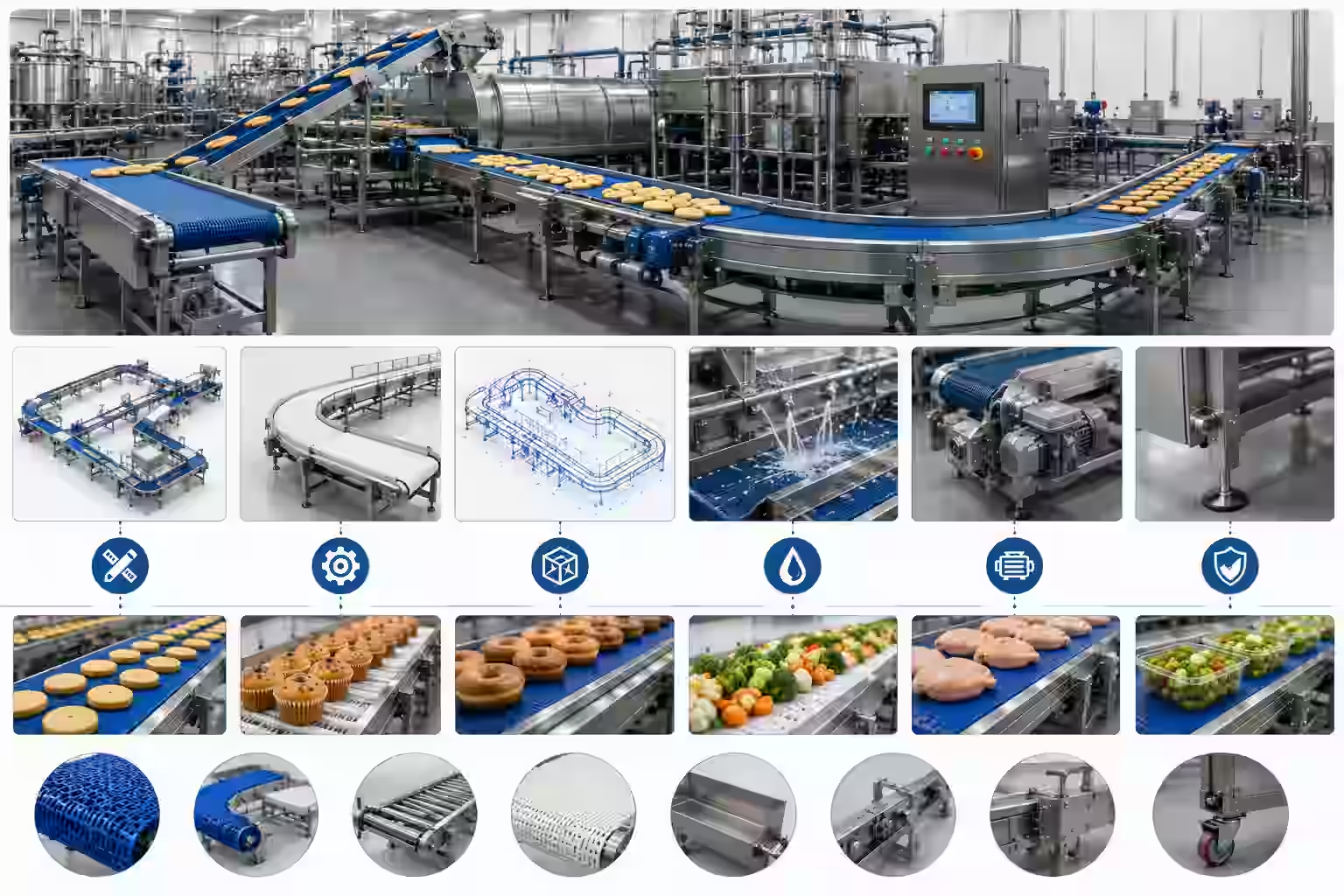
Factory conveyor system design is the engineering process of planning, designing, and installing conveyor systems that transport food products efficiently between different manufacturing processes. Every production facility has unique operational requirements, making customized design essential for achieving maximum productivity and maintaining food safety standards.
A professional customized conveyor system considers multiple factors including factory layout, available floor space, machine positioning, production capacity, product type, hygiene requirements, and future production expansion. Rather than using a one-size-fits-all approach, engineers create a conveyor solution tailored specifically to each food processing plant.
Modern conveyor automation integrates conveyors with PLC controls, sensors, robotics, weighing systems, packaging machines, and inspection equipment. This enables continuous product flow, reduces manual intervention, and improves overall operational efficiency.
Key Objectives of Factory Conveyor System Design
- Improve production efficiency
- Reduce manual material handling
- Maintain hygienic food processing
- Optimize factory floor space
- Support production automation
- Reduce operational costs
- Increase product safety
- Minimize downtime
- Improve production flow
- Enable future expansion
Why Customized Conveyor Systems Matter
Every food manufacturing plant operates differently. Product size, production speed, hygiene standards, and packaging methods vary from one facility to another. This is why investing in a customized conveyor system is far more beneficial than purchasing a standard conveyor.
An optimized factory conveyor system design improves product movement while reducing bottlenecks throughout the production process. Whether handling potato chips, namkeen, flour, spices, dairy products, frozen foods, or bakery items, customized conveyors ensure reliable and consistent transportation without damaging delicate products.
Modern conveyor automation also enables seamless integration with food processing machines, seasoning systems, packaging equipment, metal detectors, check weighers, palletizers, and robotic handling systems. The result is a fully synchronized production line capable of delivering higher output with improved quality control.
| Standard Conveyor | Customized Conveyor System |
|---|---|
| Fixed design | Designed specifically for factory requirements |
| Limited flexibility | Expandable and scalable |
| Basic controls | Advanced conveyor automation |
| General material handling | Food-specific hygienic applications |
| Lower productivity | Optimized production efficiency |
| Limited machine integration | Complete automation compatibility |
Types of Conveyor Systems Used in Food Manufacturing
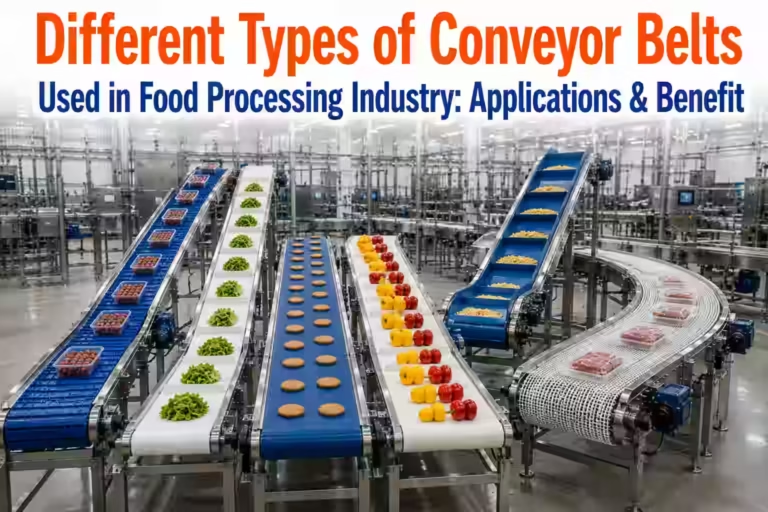
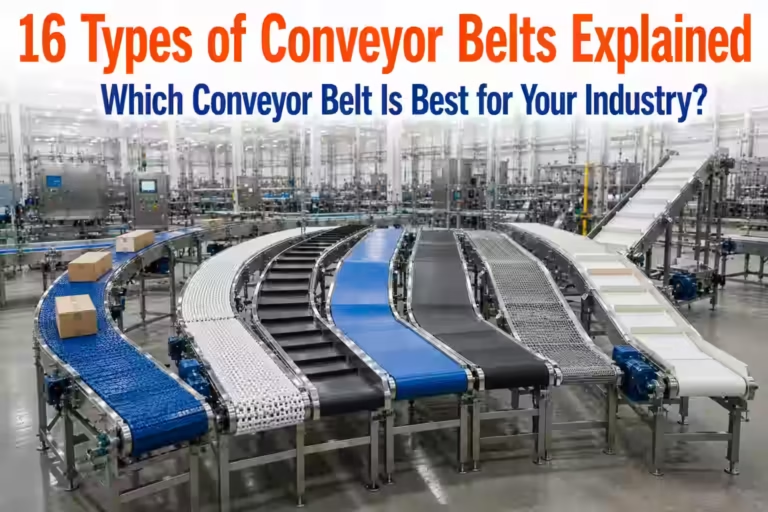
Selecting the right conveyor is one of the most important steps in factory conveyor system design. Different food products require different conveying methods based on their size, weight, texture, temperature, and production speed. A professionally engineered customized conveyor system ensures smooth product flow while maintaining hygiene and minimizing product damage.
Modern conveyor automation allows multiple conveyor types to work together within a single production line, creating a seamless and efficient manufacturing process.
| Conveyor Type | Best Application |
|---|---|
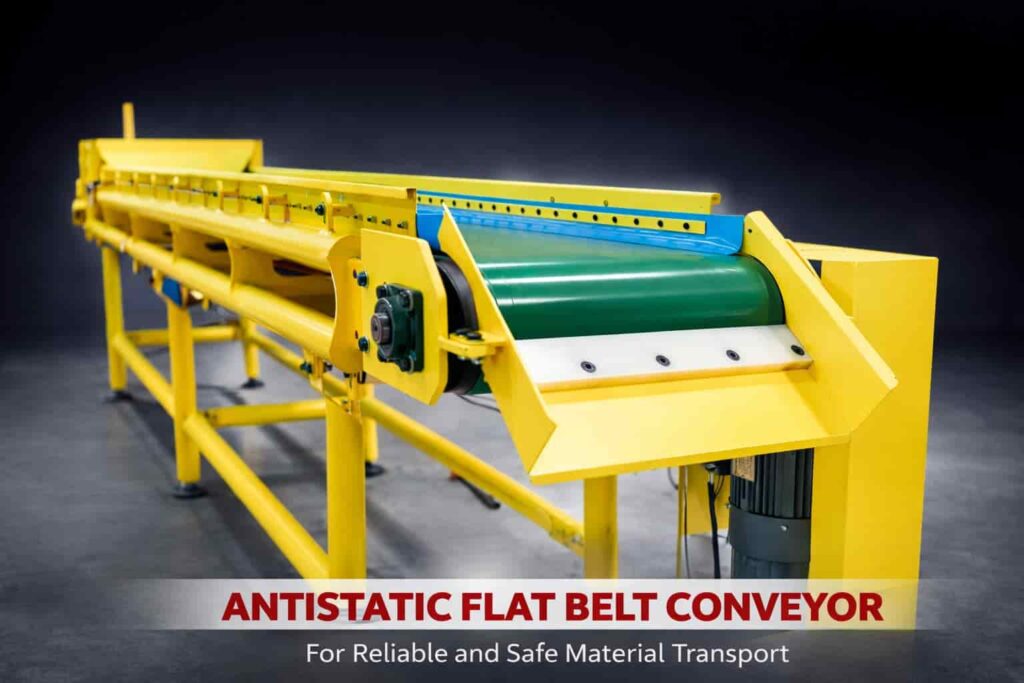
| Belt Conveyor | Bakery, snacks, frozen foods, packaged products |
| Z Type Bucket Conveyor | Vertical transportation of chips, grains and namkeen |
| Modular Belt Conveyor | Wet processing and hygienic food handling |
| Roller Conveyor | Boxes, cartons and packaged products |
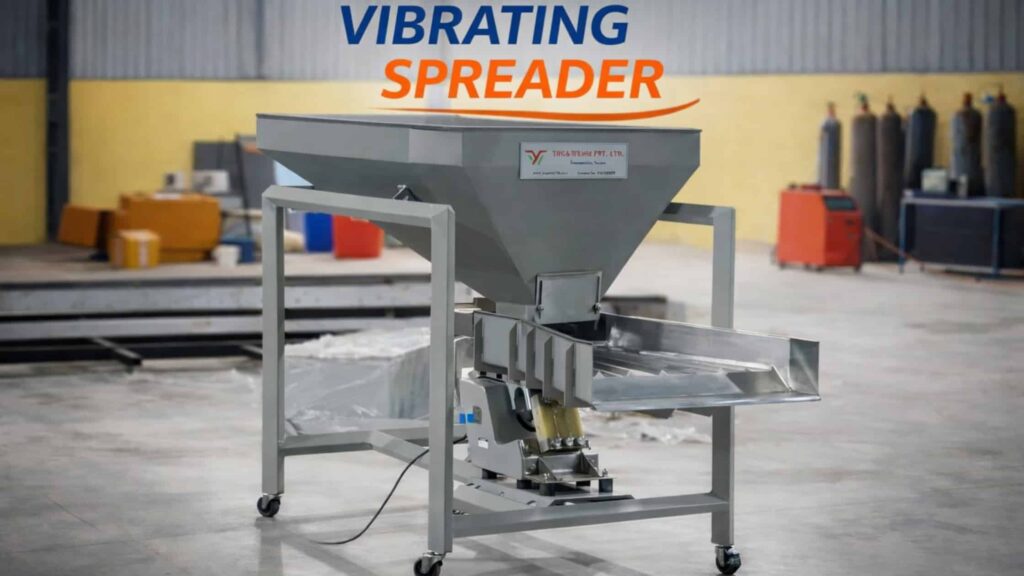
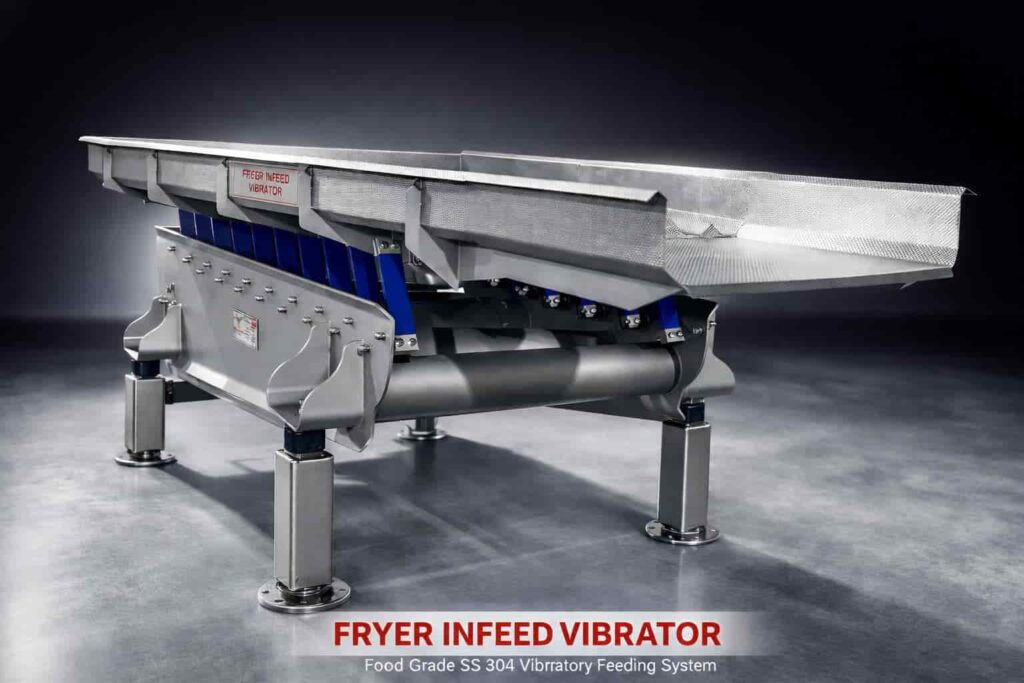
| Vibratory Conveyor | Fragile food products and seasoning applications |
| Screw Conveyor | Powders, flour, spices and granules |
| Chain Conveyor | Heavy-duty industrial applications |
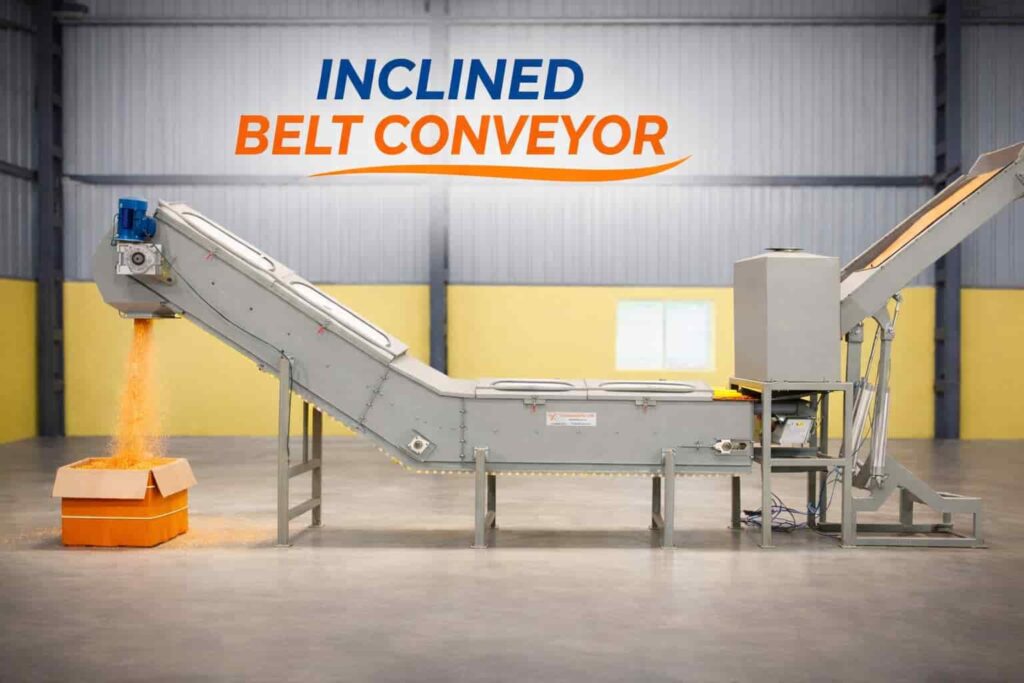
| Inclined Conveyor | Product elevation between processing stages |
Factory Conveyor System Design Process
A successful factory conveyor system design begins with understanding the customer’s manufacturing process. Engineers analyze production flow, available factory space, hygiene requirements, and future expansion plans before developing a fully integrated conveying solution.
Every customized conveyor system is engineered to maximize productivity while minimizing maintenance, product damage, and operational costs.
Typical Conveyor Design Workflow
- Production process analysis
- Factory layout evaluation
- Material flow planning
- Product characteristic assessment
- Capacity calculation
- Selection of conveyor type
- Food-grade material selection
- Automation planning
- Electrical and PLC integration
- Installation and commissioning
Role of Conveyor Automation
Today’s food factories are increasingly adopting conveyor automation to improve production speed, reduce manual labor, and maintain consistent product quality. Automated conveyors communicate with processing equipment, weighing systems, seasoning machines, packaging machines, metal detectors, check weighers, and robotic palletizers through PLC-based control systems.
An automated customized conveyor system continuously monitors product movement using sensors and intelligent controls. This reduces production bottlenecks while improving safety and overall equipment efficiency.
Modern factory conveyor system design also incorporates Variable Frequency Drives (VFDs), servo motors, touch-screen HMIs, barcode scanners, vision inspection systems, and Industrial IoT technology to achieve Industry 4.0-ready manufacturing.
Important Factors in Conveyor Design
Designing a reliable factory conveyor system design requires careful consideration of several engineering and operational factors. Every decision influences production efficiency, food safety, maintenance costs, and long-term reliability.
| Design Factor | Importance |
|---|---|
| Production Capacity | Determines conveyor speed and width |
| Product Type | Selects suitable conveyor technology |
| Factory Layout | Optimizes equipment positioning |
| Food Safety | Requires hygienic stainless steel construction |
| Automation Level | Supports PLC and smart controls |
| Cleaning Requirements | Easy maintenance and sanitation |
| Future Expansion | Allows additional production lines |
| Energy Efficiency | Reduces operating costs |
Essential Components of a Customized Conveyor System
Every customized conveyor system consists of precision-engineered components designed for reliable long-term performance in demanding food manufacturing environments.
- Food-grade conveyor belt
- Stainless steel frame (SS304 / SS316)
- Drive motor and gearbox
- Support structure
- Guide rails
- Variable Frequency Drive (VFD)
- PLC control panel
- Emergency stop system
- Photoelectric sensors
- Safety guarding
- Adjustable conveyor legs
- Automatic lubrication systems
Combining these components with advanced conveyor automation ensures smooth product handling, reduced maintenance, and higher production efficiency across the entire food manufacturing process.
Benefits of a Customized Conveyor System
A professionally engineered customized conveyor system offers far more than simple material transportation. It becomes the backbone of an efficient food manufacturing facility by improving production flow, reducing labor dependency, and ensuring hygienic product handling. A modern factory conveyor system design combined with intelligent conveyor automation allows manufacturers to achieve higher productivity while maintaining consistent product quality.
- Improves production efficiency and throughput
- Reduces manual material handling
- Supports complete conveyor automation
- Minimizes product damage during transportation
- Optimizes factory floor utilization
- Maintains hygienic food handling standards
- Reduces labor and operating costs
- Improves worker safety
- Easy integration with processing and packaging machines
- Low maintenance and long equipment life
- Energy-efficient operation
- Supports future production expansion
Applications in Food Manufacturing Plants
A well-planned factory conveyor system design can be customized for almost every food processing application. Whether transporting raw materials, semi-processed products, or finished packaged goods, a customized conveyor system ensures smooth and continuous production.
| Industry | Typical Conveyor Application |
|---|---|
| Potato Chips | Product transfer between fryer, seasoning, and packaging |
| Namkeen Production | Ingredient handling and finished product conveying |
| Bakery Industry | Cooling, inspection, and packaging conveyors |
| Dairy Industry | Milk pouch and dairy product handling |
| Spice Processing | Powder transfer and packaging automation |
| Frozen Foods | Cold storage product movement |
| Rice & Grains | Cleaning, grading, and packing lines |
| Ready-to-Eat Foods | Automated production and packaging conveyors |
Real Industry Example
Snack Manufacturing Plant
A leading snack manufacturer required a customized conveyor system to connect frying, seasoning, inspection, and packaging machines. Yuga-We100 developed a complete factory conveyor system design integrated with intelligent conveyor automation controls.
- 35% increase in production capacity
- 25% reduction in manpower
- Minimal product breakage
- Improved hygiene standards
- Reduced production downtime
Buying Guide for Factory Conveyor System Design
Selecting the right factory conveyor system design is a long-term investment. Food manufacturers should evaluate both current production requirements and future expansion before selecting a conveyor partner.
| Selection Criteria | Recommendation |
|---|---|
| Factory Layout | Choose a fully customized layout |
| Production Capacity | Match conveyor speed with production rate |
| Food Safety | Use SS304 or SS316 food-grade construction |
| Automation | Select PLC-based conveyor automation |
| Maintenance | Easy cleaning and servicing access |
| Scalability | Support future production expansion |
| After-Sales Service | Choose a reliable conveyor manufacturer |
Why Choose Yuga-We100?
Yuga-We100 is one of India’s trusted specialists in factory conveyor system design and industrial food processing automation. We engineer every customized conveyor system according to your factory layout, production goals, and automation requirements.
- Complete turnkey conveyor solutions
- Custom-designed conveyor layouts
- Advanced conveyor automation integration
- Food-grade stainless steel fabrication
- PLC & VFD controlled systems
- Energy-efficient conveyor technology
- High-quality manufacturing standards
- Expert installation and commissioning
- Reliable after-sales support
- Pan-India service network
Related Solutions
Food Grade Conveyor SystemZ Type Bucket ElevatorPackaging Line AutomationFood Processing Automation SystemSeasoning SystemIndustrial Conveyor ManufacturerStainless Steel Conveyor SystemMaterial Handling EquipmentDesign a Smarter Food Manufacturing Plant
Looking for a reliable factory conveyor system design? Yuga-We100 delivers fully customized conveyor systems with advanced conveyor automation to maximize productivity, hygiene, and operational efficiency.
Get Free ConsultationConclusion
A well-planned factory conveyor system design is one of the most valuable investments for modern food manufacturing plants. It ensures efficient product movement, minimizes manual handling, improves hygiene, and supports continuous production. By implementing a customized conveyor system, manufacturers can optimize factory layouts, reduce operational costs, and increase overall productivity while maintaining the highest food safety standards.
With advanced conveyor automation, today’s food factories can seamlessly integrate conveyors with processing equipment, weighing systems, packaging machines, metal detectors, palletizers, and smart control systems. This creates a fully automated production environment that delivers consistent product quality, lower maintenance costs, and higher return on investment.
Whether you are establishing a new production facility or upgrading an existing manufacturing plant, investing in a professionally engineered factory conveyor system design ensures long-term operational success. Partnering with an experienced conveyor manufacturer like Yuga-We100 guarantees customized engineering, reliable performance, and complete automation support tailored to your business needs.
Useful External Resources
Frequently Asked Questions (FAQs)
1. What is factory conveyor system design?
Factory conveyor system design is the process of planning and engineering conveyor layouts that efficiently transport products throughout a food manufacturing plant while maximizing productivity and maintaining hygiene.
2. Why is a customized conveyor system better than a standard conveyor?
A customized conveyor system is specifically designed for your factory layout, production capacity, product characteristics, and automation requirements, resulting in better efficiency and long-term performance.
3. What is conveyor automation?
Conveyor automation uses PLCs, sensors, VFDs, robotics, and intelligent control systems to automate material movement, reduce manual labor, and improve production efficiency.
4. Which industries use customized conveyor systems?
Customized conveyor systems are widely used in snack manufacturing, bakery, dairy, frozen foods, spice processing, grain handling, beverage production, pharmaceuticals, and packaging industries.
5. Which material is best for food conveyor systems?
Food-grade SS304 and SS316 stainless steel are the preferred materials because they provide excellent hygiene, corrosion resistance, durability, and compliance with food safety regulations.
6. Can conveyor systems be integrated with packaging machines?
Yes. Modern conveyor automation allows easy integration with packaging machines, weighing systems, metal detectors, vision inspection systems, palletizers, and robotic automation.
7. How does factory conveyor system design improve productivity?
A properly engineered factory conveyor system design reduces bottlenecks, improves material flow, minimizes downtime, and supports continuous production with less manual intervention.
8. Why choose Yuga-We100?
Yuga-We100 specializes in factory conveyor system design, customized conveyor systems, and advanced conveyor automation, delivering turnkey solutions for modern food manufacturing plants across India.