Table of Contents
Handling namkeen, granules, fryums, snacks, and small food particles requires precision, hygiene, and smooth material flow. In modern food processing plants, selecting the right conveyor system directly impacts production efficiency, product quality, and operational costs.
A properly designed Food Grade U Conveyor or Industrial Trough Conveyor ensures safe, gentle, and continuous handling of fragile food products without contamination or excessive product breakage.
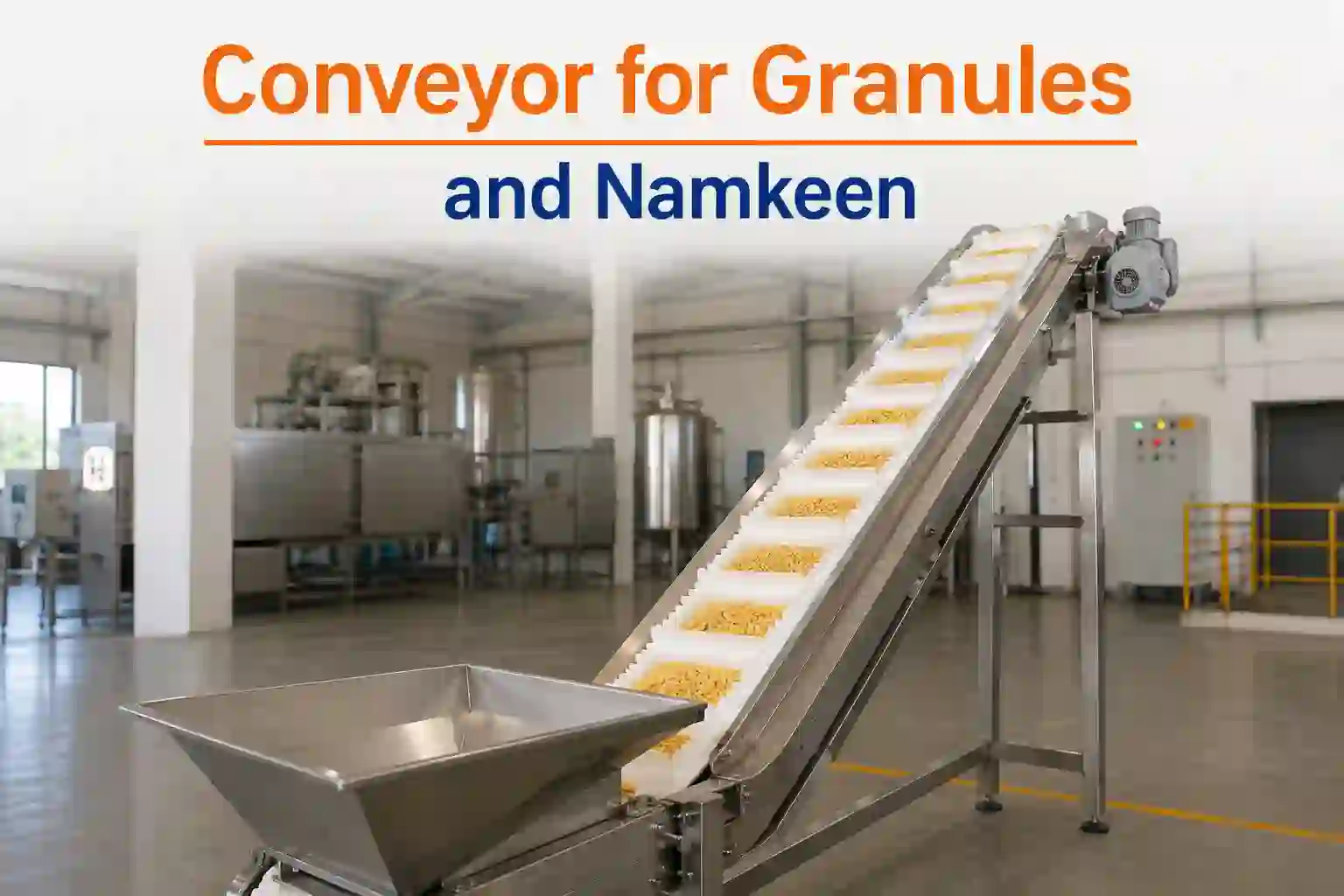
Choosing the Best Conveyor for Granules & Namkeen is essential for maintaining continuous material flow, minimizing product breakage, and improving production efficiency. The right conveyor system helps food manufacturers achieve hygienic handling and consistent product quality.
Why Conveyor Selection Matters
Granules and namkeen products are lightweight and delicate. Poor conveyor design can create product loss, uneven flow, contamination, and breakage issues.
- Ensures hygienic product handling
- Reduces product breakage
- Maintains continuous production
- Improves plant efficiency
- Reduces manual labor dependency
- Minimizes material spillage
- Supports automated production lines
Best Conveyor for Namkeen & Granules
For snack food and granule handling applications, the most preferred systems include:
- U Trough Belt Conveyor
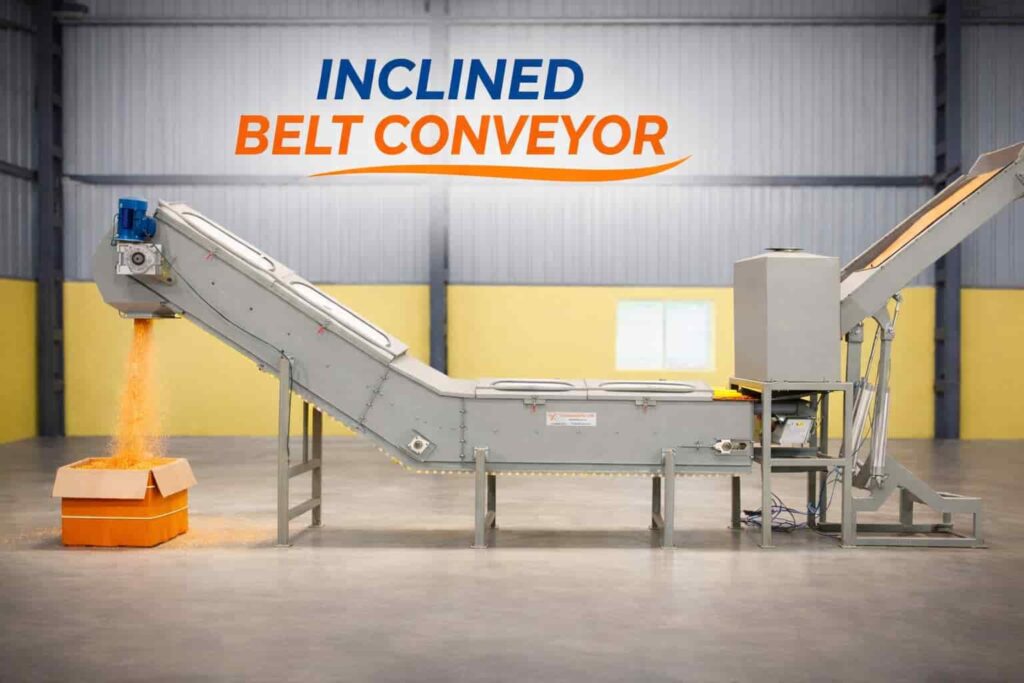
- Inclined Belt Conveyor
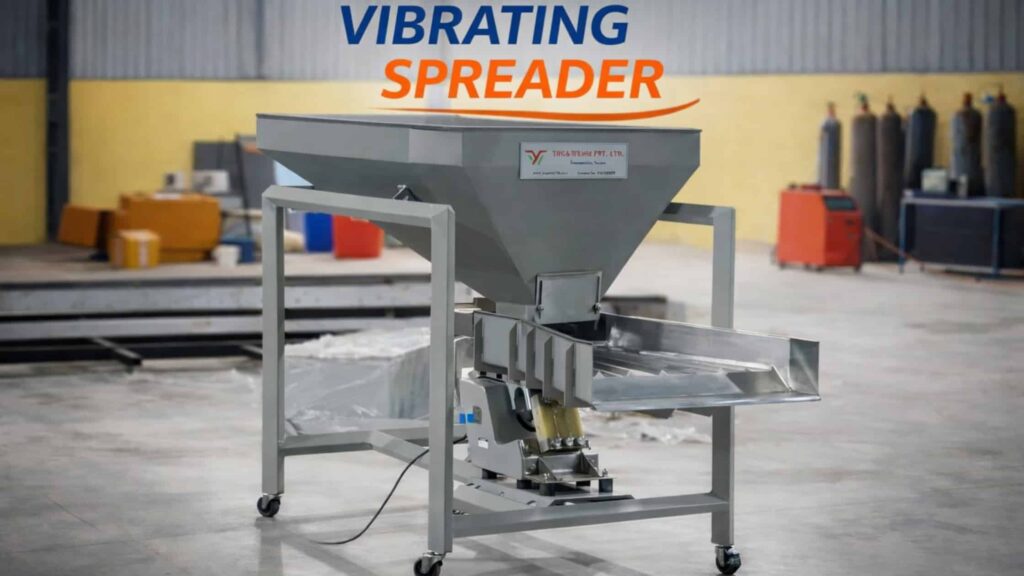
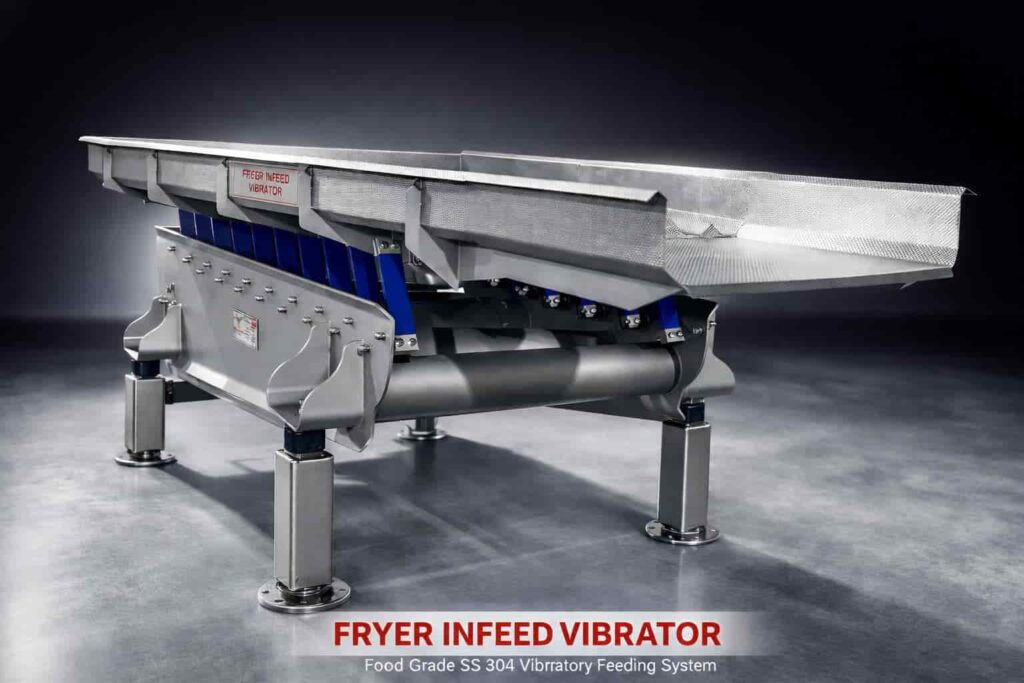
- Vibrating Conveyor
- Distribution Conveyor
- Z Type Elevator
Among these, a U Trough Conveyor Manufacturer solution is ideal for controlled bulk handling with minimum product spillage.
Benefits of the Best Conveyor for Granules & Namkeen
>- Food-safe stainless steel construction
- Easy cleaning and maintenance
- Gentle handling of fragile products
- Continuous product movement
- Reduced contamination risk
- High production efficiency
- Automation compatibility
- Long operational life
The Best Conveyor for Granules & Namkeen reduces manual handling, improves operational efficiency, and supports automated food processing lines. It also helps maintain hygiene standards while reducing product loss during transportation.
Working Principle
A conveyor system works by using a motor-driven belt or vibratory mechanism to transfer products from one processing stage to another.
For namkeen and granules, specially designed trough conveyors help maintain controlled product movement and prevent material overflow during transfer.
| Process Stage | Conveyor Function |
|---|---|
| Seasoning | Transfers products smoothly |
| Packaging | Continuous product feeding |
| Distribution | Routes products to machines |
| Storage Transfer | Bulk material movement |
Technical Specifications
| Feature | Specification |
|---|---|
| Material | SS304 / SS316 |
| Belt Type | PU / PVC Food Grade Belt |
| Capacity | 100 kg/hr – 5000 kg/hr |
| Drive | Geared Motor with VFD |
| Automation | PLC Integration Available |
| Application | Namkeen & Snacks Industry |
Applications in Food Industry
- Namkeen processing plants
- Snack manufacturing industries
- Potato chips plants
- Fryums production lines
- Grain and cereals processing
- Dry fruits handling systems
- Packaging lines
Common Problems & How Yuga-We100 Solves Them
| Problem | Yuga-We100 Solution |
|---|---|
| Material spillage | U trough conveyor design |
| Product breakage | Gentle handling systems |
| Production downtime | Heavy-duty industrial motors |
| Hygiene issues | Food-grade stainless steel |
| Uneven material flow | Precision conveyor control |
Conveyor Comparison
| Conveyor Type | Best Use | Efficiency |
|---|---|---|
| U Trough Conveyor | Granules & namkeen | High |
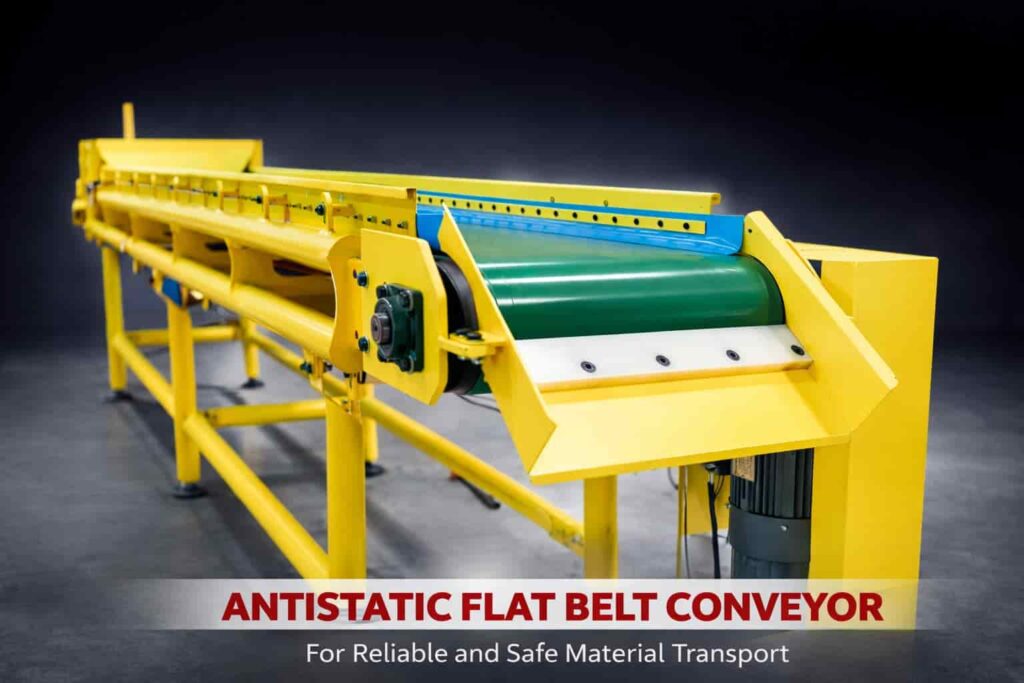
| Flat Belt Conveyor | Packaging transfer | Moderate |
| Vibrating Conveyor | Snack feeding | High |
| Z Type Elevator | Vertical lifting | Excellent |
Useful Industry Resources
Buying Guide
- Choose food-grade conveyor materials
- Select conveyor based on product type
- Check required production capacity
- Consider automation integration
- Evaluate cleaning and maintenance ease
- Choose experienced conveyor manufacturers
- Verify after-sales service support
Related Conveyor Solutions
U Trough Belt Conveyor Distribution Conveyor Inclined Belt Conveyor Z Bucket Elevator Vibrating Conveyor Conveying SystemsWhy Choose Yuga-We100?
Yuga-We100 is a trusted manufacturer and supplier of advanced food processing conveyor systems designed for continuous production and hygienic material handling.
- Customized conveyor solutions
- Food-grade conveyor systems
- Advanced industrial automation
- Durable heavy-duty construction
- Competitive pricing
- Excellent after-sales support
Looking for the Best Conveyor for Namkeen & Granules?
Contact Yuga-We100 today for customized food-grade conveyor systems designed for maximum efficiency and smooth material handling.
Contact Yuga-We100Frequently Asked Questions
1. Which conveyor is best for namkeen handling?
U trough conveyors and vibrating conveyors are widely used for namkeen handling applications.
2. Why use food-grade conveyors?
Food-grade conveyors ensure hygienic product transfer and reduce contamination risk.
3. What is a U Trough Conveyor?
A conveyor designed with a trough structure for safe and controlled bulk material handling.
4. Can conveyors reduce product breakage?
Yes, specially designed conveyors provide gentle handling for fragile food products.
5. Are conveyor systems customizable?
Yes, Yuga-We100 provides customized conveyor systems based on industry requirements.
6. Which industries use trough conveyors?
Food processing, agriculture, packaging, and FMCG industries commonly use them.
7. Does automation improve production efficiency?
Yes, conveyor automation improves workflow, reduces downtime, and increases production speed.
8. Which conveyor material is best for food-grade granules and namkeen?
Food-grade stainless steel (SS304 or SS316) is the preferred material because it offers excellent corrosion resistance, easy cleaning, and compliance with food hygiene standards.
9. Can a conveyor be customized for different namkeen products?
Yes. Conveyor systems can be customized based on product size, production capacity, incline angle, discharge height, and factory layout to handle a wide variety of namkeen and granular products efficiently.
10. How often should a food conveyor be inspected?
Routine inspections should be carried out daily for cleanliness and weekly for mechanical components. Preventive maintenance helps avoid unexpected downtime and extends the conveyor’s service life.