Table of Contents
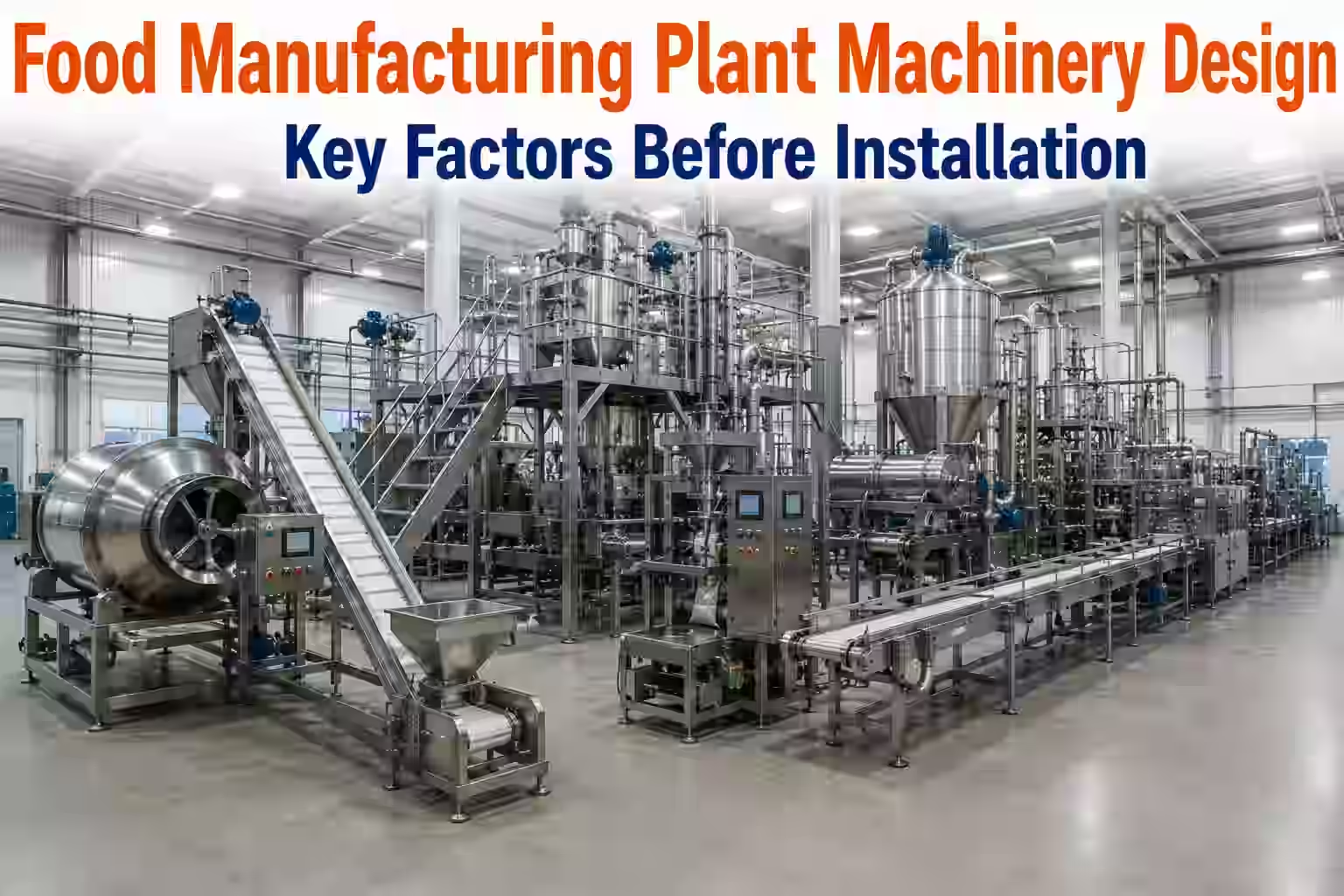
A successful food processing facility starts with effective food manufacturing plant machinery design. Proper planning ensures that production equipment, material flow, utilities, hygiene systems, and automation work together seamlessly. Whether you are setting up a snack production line, bakery plant, spice processing unit, dairy factory, or ready-to-eat food facility, investing time in machinery design before installation reduces future operational problems and improves productivity.
Choosing an experienced food processing equipment manufacturer is equally important because the right partner can provide customized solutions based on your production capacity, available factory space, product type, and expansion plans. A well-designed plant minimizes downtime, improves worker safety, and ensures compliance with food safety regulations.
What is Food Manufacturing Plant Machinery Design?
Food manufacturing plant machinery design is the process of planning, selecting, and arranging food processing equipment to create an efficient production facility. It includes production line layout, equipment positioning, utility planning, material handling systems, automation integration, hygiene design, and maintenance accessibility.
A professionally designed plant ensures smooth movement of raw materials, minimizes product contamination, reduces labor requirements, and optimizes production capacity. Every machine should work as part of an integrated production line rather than operating independently.
An experienced food processing equipment manufacturer considers production goals, product characteristics, available space, utility requirements, and future expansion while designing the complete manufacturing plant.
Why Machinery Design is Important
Effective food manufacturing plant machinery design directly impacts production efficiency, operating costs, food safety, and long-term profitability. Poor planning often results in bottlenecks, excessive material movement, maintenance difficulties, and unnecessary production delays.
- Improves production efficiency
- Reduces manual material handling
- Optimizes factory floor utilization
- Maintains hygienic processing conditions
- Supports automation integration
- Minimizes product contamination risks
- Reduces maintenance downtime
- Enhances operator safety
- Improves product quality consistency
- Supports future production expansion
A well-planned production facility also reduces energy consumption and ensures that every machine can be easily accessed for cleaning, inspection, servicing, and preventive maintenance.
Key Factors Before Installation
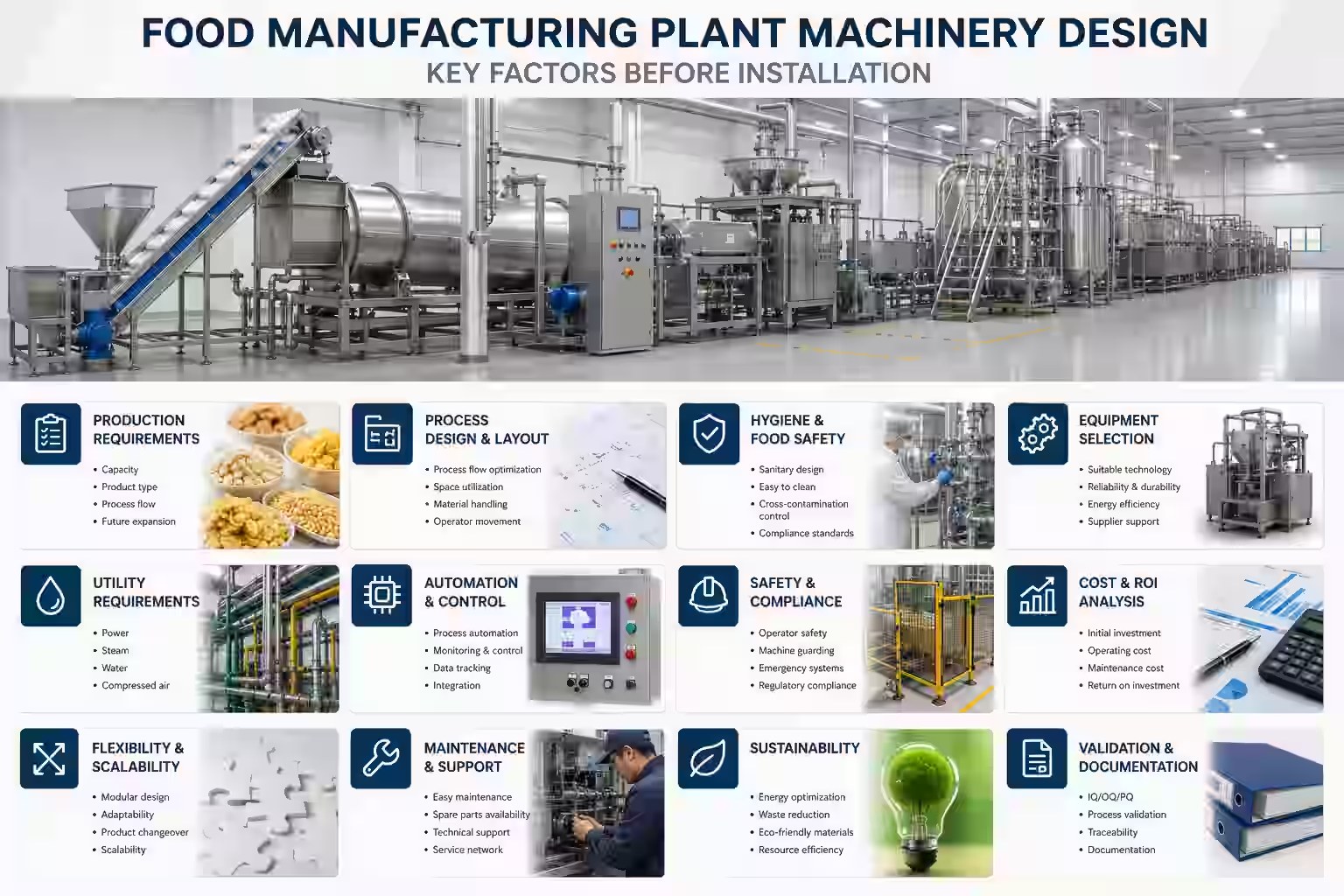
Before installing machinery, manufacturers should carefully evaluate every aspect of the production process. Proper food manufacturing plant machinery design helps avoid expensive modifications after installation while ensuring smooth production operations.
| Design Factor | Importance |
|---|---|
| Production Capacity | Determines machine size and production speed |
| Product Type | Influences processing technology and equipment selection |
| Factory Layout | Optimizes material flow and space utilization |
| Automation Level | Reduces labor and improves efficiency |
| Food Safety Standards | Ensures hygienic production |
| Future Expansion | Allows additional production lines |
| Maintenance Access | Simplifies servicing and repairs |
| Energy Efficiency | Reduces operational costs |
Working with a trusted food processing equipment manufacturer during the planning stage ensures these factors are considered before procurement and installation, preventing unnecessary redesigns later.
Plant Layout Planning
Plant layout is one of the most important components of food manufacturing plant machinery design. A logical production flow minimizes material handling, prevents cross-contamination, and improves operational efficiency.
The layout should allow raw materials to move smoothly through cleaning, processing, cooking, mixing, packaging, and storage without intersecting with finished products. Proper zoning also supports hygiene and food safety compliance.
Key Layout Considerations
- Straight-line product flow
- Separate raw and finished goods areas
- Dedicated cleaning and sanitation zones
- Adequate operator working space
- Easy equipment maintenance access
- Proper ventilation and lighting
- Safe emergency exits
- Efficient waste management systems
Equipment Selection
Choosing the correct machinery is essential for successful food manufacturing plant machinery design. Equipment should match production requirements, product specifications, and expected future growth.
An experienced food processing equipment manufacturer helps manufacturers select machines that provide reliable performance, energy efficiency, food-grade construction, and compatibility with automated production systems.
| Equipment | Purpose |
|---|---|
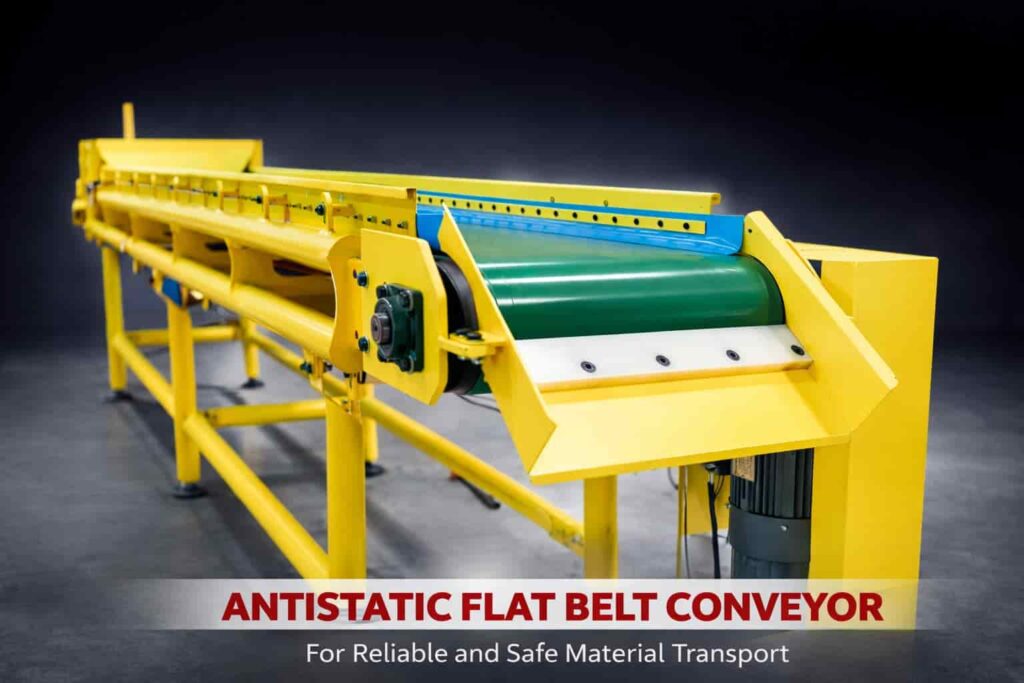
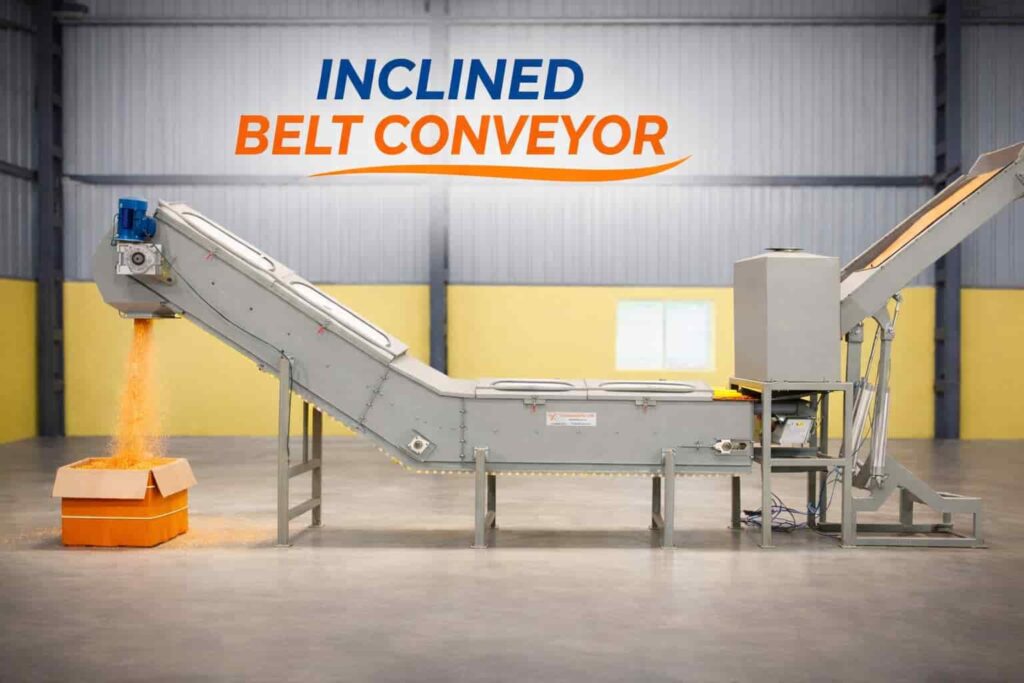
| Raw Material Conveyor | Material transportation |
| Processing Machine | Product preparation |
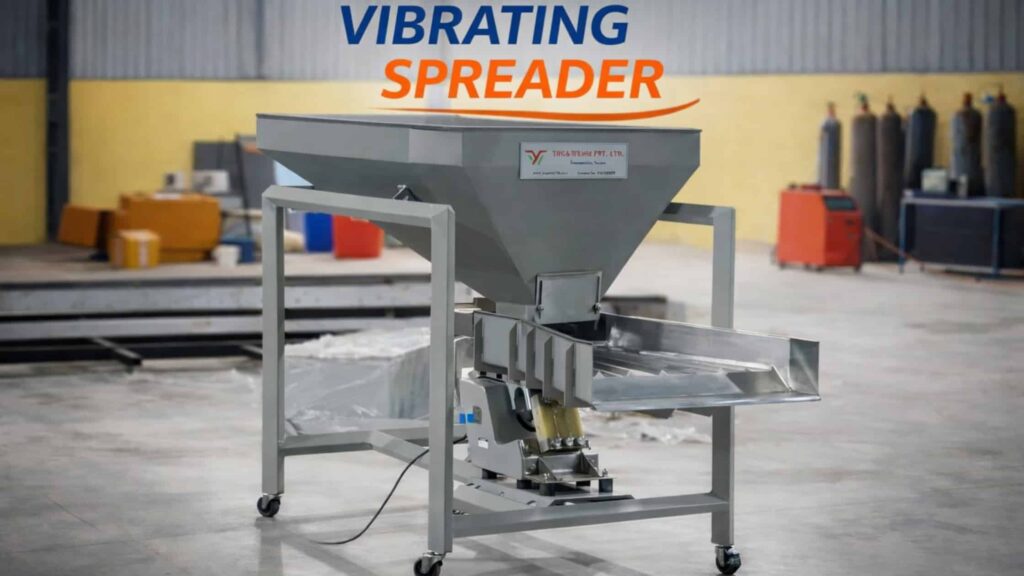
| Mixing & Blending System | Uniform ingredient mixing |
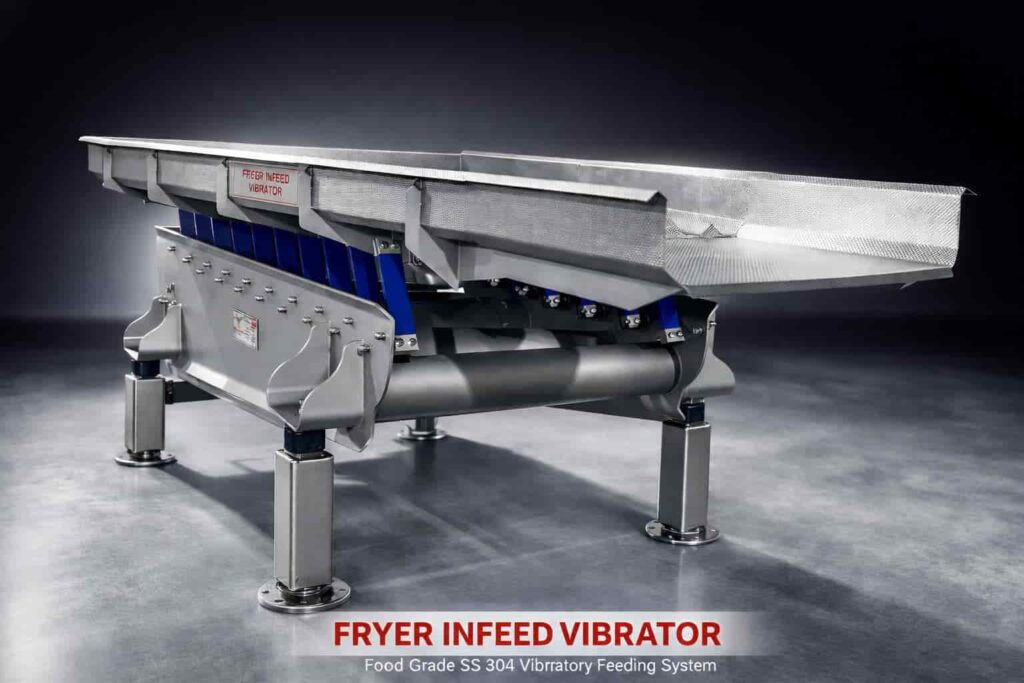
| Cooking or Frying Equipment | Product processing |
| Cooling Conveyor | Temperature reduction |
| Packaging Machine | Automatic product packaging |
| Metal Detector | Food safety inspection |
| Check Weigher | Weight verification |
Utility Requirements
An efficient food manufacturing plant machinery design also includes proper planning for utilities such as electricity, compressed air, steam, water supply, drainage, and ventilation. These utilities should be designed to support uninterrupted production while minimizing energy consumption.
A qualified food processing equipment manufacturer typically assists in calculating utility loads, ensuring that machines operate efficiently without overloading factory infrastructure.
Benefits of Proper Machinery Design
A professionally planned food manufacturing plant machinery design improves every stage of production, from raw material handling to packaging and dispatch. Proper machinery placement, automation, and utility planning help manufacturers achieve higher productivity, better product quality, and lower operating costs. Partnering with an experienced food processing equipment manufacturer further ensures reliable performance and long-term operational success.
- Improves production efficiency
- Optimizes material flow throughout the plant
- Reduces manual labor requirements
- Minimizes machine downtime
- Enhances food safety and hygiene
- Reduces product wastage
- Supports automation and Industry 4.0 integration
- Improves operator safety
- Lowers maintenance costs
- Increases return on investment
- Allows future production expansion
- Ensures consistent product quality
An efficient food manufacturing plant machinery design also simplifies preventive maintenance by providing easy access to critical equipment, reducing repair time and increasing machine availability.
Food Safety and Hygienic Design Considerations
Food manufacturing facilities must be designed to prevent contamination and maintain strict hygiene standards. Every food manufacturing plant machinery design should comply with food safety regulations and include hygienic construction principles.
| Requirement | Purpose |
|---|---|
| SS304 / SS316 Construction | Corrosion resistance and food safety |
| Easy-to-Clean Equipment | Faster sanitation |
| Closed Material Handling | Prevents contamination |
| Dust Collection Systems | Maintains workplace cleanliness |
| Drainage Planning | Improves hygiene |
| Proper Ventilation | Controls temperature and moisture |
| Food-Grade Conveyors | Safe product transportation |
| Quality Inspection Systems | Ensures product safety |
Useful Industry Resources
Automation Integration
Modern food manufacturing plant machinery design increasingly incorporates automation technologies such as PLC controls, SCADA systems, sensors, robotic handling, and automated packaging lines. These technologies improve process accuracy, reduce manual intervention, and provide real-time production monitoring.
A trusted food processing equipment manufacturer can integrate automation into existing or new production facilities to improve efficiency while supporting future expansion.
- PLC-based machine control
- Touchscreen HMI operation
- Automated product handling
- Real-time production monitoring
- Automatic recipe management
- Production data collection
- Remote diagnostics
- Energy management systems
Common Mistakes to Avoid
Many manufacturers face production challenges because they overlook critical planning factors before machinery installation. Proper food manufacturing plant machinery design helps eliminate these issues during the project planning stage.
- Selecting equipment based only on price
- Ignoring future production expansion
- Poor factory layout planning
- Insufficient utility capacity
- Lack of maintenance access
- Improper conveyor routing
- Ignoring food safety regulations
- Choosing incompatible machines
- Underestimating automation requirements
- Working with inexperienced suppliers
Buying Guide
Before investing in machinery, evaluate your production goals carefully. The right food manufacturing plant machinery design should support current production while allowing future upgrades without major modifications.
| Selection Criteria | Recommendation |
|---|---|
| Production Capacity | Select machinery according to hourly output |
| Factory Space | Optimize available floor area |
| Automation Level | Choose scalable automation solutions |
| Food Safety | Use food-grade equipment only |
| Machine Quality | Invest in durable stainless steel equipment |
| Energy Efficiency | Reduce long-term operating costs |
| After-Sales Support | Select a reliable equipment supplier |
| Future Expansion | Plan additional production capacity |
Maintenance Planning
Maintenance should be considered during food manufacturing plant machinery design rather than after installation. Easy equipment access reduces service time and minimizes production interruptions.
- Create preventive maintenance schedules.
- Inspect conveyors regularly.
- Lubricate moving components.
- Calibrate weighing equipment.
- Check electrical and pneumatic systems.
- Replace worn machine parts promptly.
- Maintain proper sanitation procedures.
- Train operators on equipment maintenance.
Related Solutions
Potato Chips Production Line Namkeen Manufacturing Plant Packaging Line Automation for Food Industry Food Conveyor System Seasoning System Food Processing PlantWhy Choose Yuga-We100?
Yuga-We100 is a trusted food processing equipment manufacturer specializing in customized food manufacturing plant machinery design solutions for modern food processing industries. Our engineering team designs complete production plants that maximize efficiency, maintain hygiene, and support long-term business growth.
- Customized turnkey plant solutions
- Complete machinery design and installation support
- Food-grade stainless steel equipment
- Advanced automation integration
- Energy-efficient production systems
- Experienced engineering team
- Reliable after-sales service
- Scalable production solutions
- High-quality manufacturing standards
- Technical consultation and project planning
Planning a New Food Manufacturing Plant?
Yuga-We100 provides customized food manufacturing plant machinery design solutions for snack, bakery, dairy, spice, namkeen, potato chips, frozen food, and ready-to-eat processing plants. As an experienced food processing equipment manufacturer, we help you design efficient, hygienic, and future-ready production facilities.
Get Free ConsultationConclusion
A successful food manufacturing facility begins with intelligent food manufacturing plant machinery design. Careful planning of production flow, equipment selection, utilities, automation, and hygiene ensures maximum efficiency while minimizing operational costs. Working with a reliable food processing equipment manufacturer helps businesses avoid costly installation mistakes and build scalable production facilities that meet both current and future requirements.
Whether you are establishing a new processing plant or expanding an existing facility, investing in professional food manufacturing plant machinery design improves productivity, product quality, worker safety, and long-term profitability. A well-engineered production line supports continuous operation, easier maintenance, and compliance with food safety standards, making it a valuable investment for every food manufacturer.
Frequently Asked Questions
1. What is food manufacturing plant machinery design?
Food manufacturing plant machinery design is the process of planning machinery layout, production flow, utilities, automation, and equipment selection to create an efficient and hygienic food processing facility.
2. Why is machinery design important before installation?
Proper planning reduces installation errors, improves production efficiency, minimizes downtime, optimizes factory space, and ensures compliance with food safety standards.
3. How do I choose the right food processing equipment manufacturer?
Select a manufacturer with industry experience, customized engineering capabilities, food-grade machinery, automation expertise, technical support, and reliable after-sales service.
4. What factors should be considered before machinery installation?
Production capacity, plant layout, utility availability, automation level, food safety regulations, maintenance access, future expansion, and equipment compatibility should all be evaluated.
5. Can machinery design be customized for different food products?
Yes. Production lines can be customized for potato chips, namkeen, bakery products, spices, dairy, frozen foods, ready-to-eat meals, cereals, snacks, and many other food products.
6. What materials are used for food processing machinery?
Most food-grade machines are manufactured using SS304 or SS316 stainless steel because they provide corrosion resistance, durability, and hygienic operation.
7. Can automation be integrated into existing food plants?
Yes. PLC controls, conveyors, robotic handling, automated packaging systems, and smart monitoring solutions can be integrated into both new and existing production facilities.
8. What industries benefit from food manufacturing plant machinery design?
Snack food, namkeen, bakery, dairy, confectionery, spice processing, frozen food, cereal processing, beverage, pet food, and ready-to-eat food manufacturers all benefit from optimized plant machinery design.