Table of Contents
- Introduction
- What is Food Processing Automation?
- Why Food Industries Need Automation
- How Food Processing Automation Works
- Major Benefits of Food Manufacturing Automation
- Types of Food Processing Automation Systems
- Applications in Food Processing Industries
- Technical Specifications
- Automation vs Manual Processing
- Buying Guide
- Mistakes to Avoid
- Why Choose Yuga-We100?
- Frequently Asked Questions
Introduction: Why Automation is Revolutionizing Food Processing
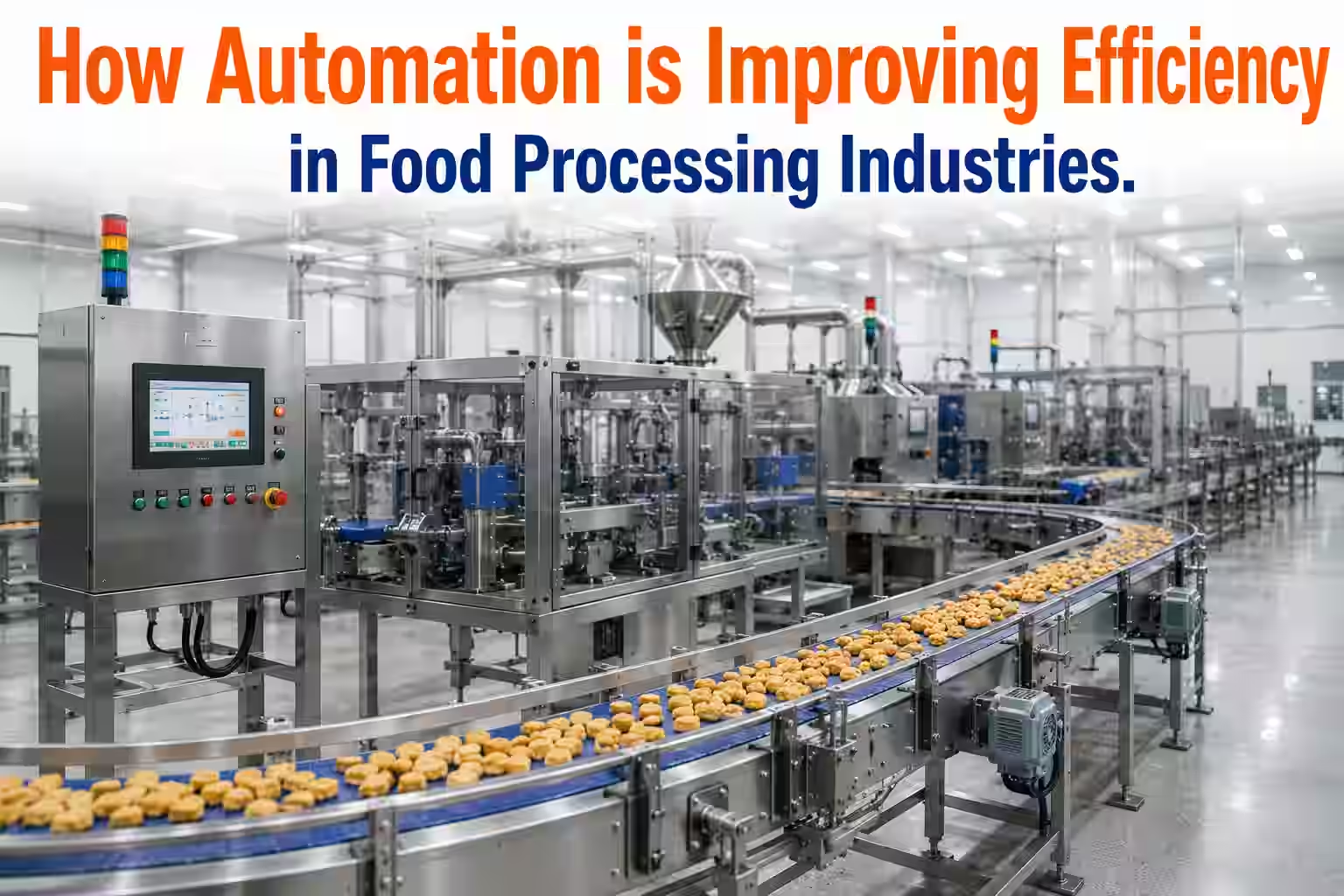
The food industry is evolving rapidly as manufacturers seek higher productivity, improved food safety, and lower operational costs. Traditional production methods often struggle to meet increasing consumer demand while maintaining consistent product quality. As a result, businesses are investing heavily in food processing automation to streamline operations and improve manufacturing efficiency.
Modern food manufacturing automation integrates intelligent machines, conveyors, PLC control systems, sensors, and automated packaging equipment to reduce manual intervention and increase production speed. From raw material handling to final packaging, automation enables food manufacturers to achieve greater accuracy, hygiene, and operational reliability.
Today, industrial automation food industry solutions are widely used in snack manufacturing, bakery plants, dairy processing, frozen food production, spice processing, ready-to-eat food manufacturing, and many other food sectors. Automation not only increases production capacity but also ensures compliance with food safety regulations while minimizing waste and downtime.
What You’ll Learn in This Guide
- What food processing automation is
- How automation improves production efficiency
- Major benefits of food manufacturing automation
- Different automation technologies used in food factories
- Applications across various food industries
- How to choose the right automation solution
- Why Yuga-We100 is a trusted automation partner
What is Food Processing Automation?
Food processing automation refers to the use of advanced machinery, automated conveyors, PLC control systems, robotic handling equipment, sensors, and intelligent software to perform food manufacturing processes with minimal manual intervention.
Unlike conventional manufacturing methods, automated systems continuously monitor production parameters, control machine operations, and ensure consistent product quality throughout the manufacturing process.
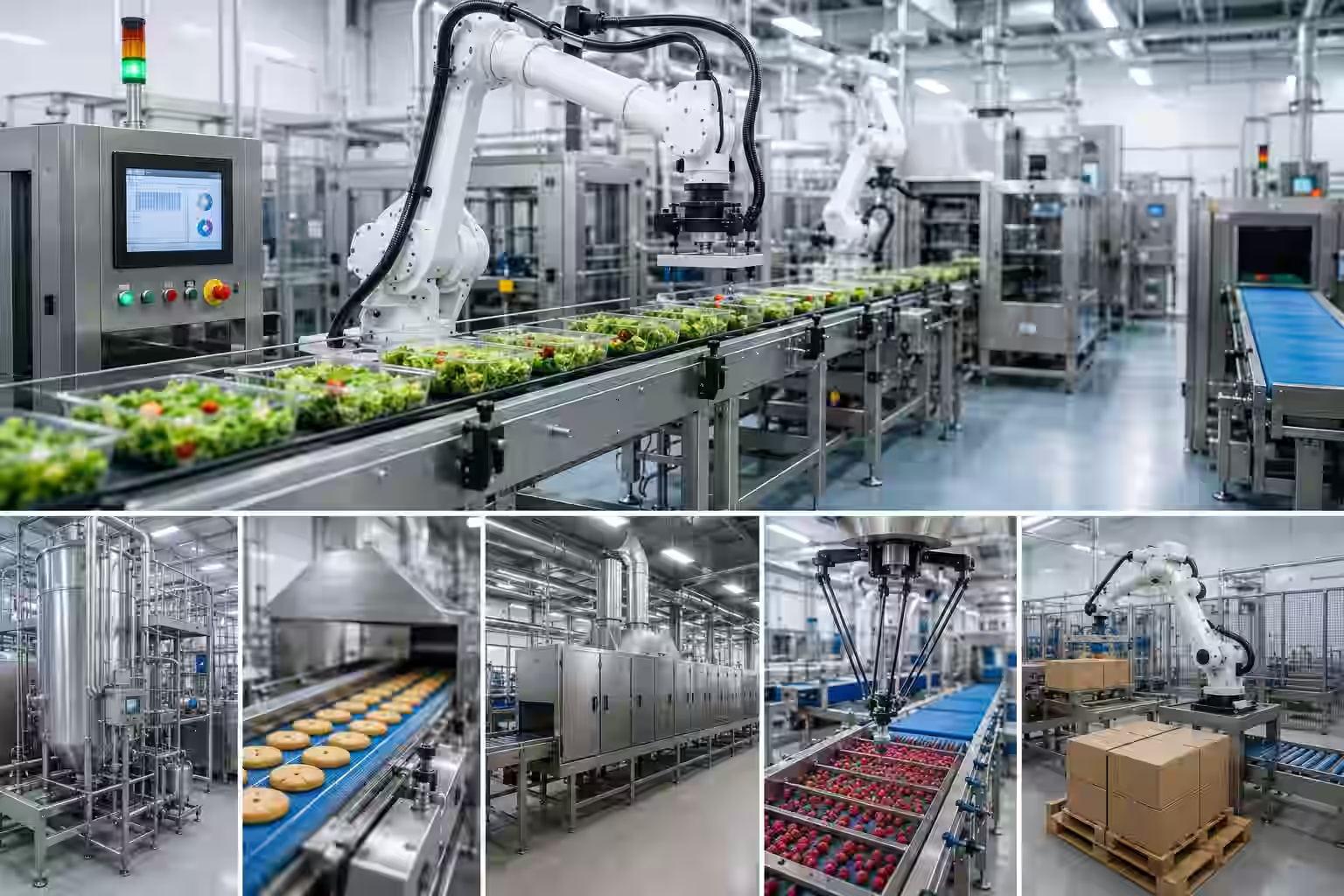
A complete food manufacturing automation system may include ingredient handling equipment, mixing systems, processing machines, conveyor systems, inspection units, weighing machines, packaging lines, palletizing systems, and centralized control panels that work together as one integrated production line.
Common Automation Equipment
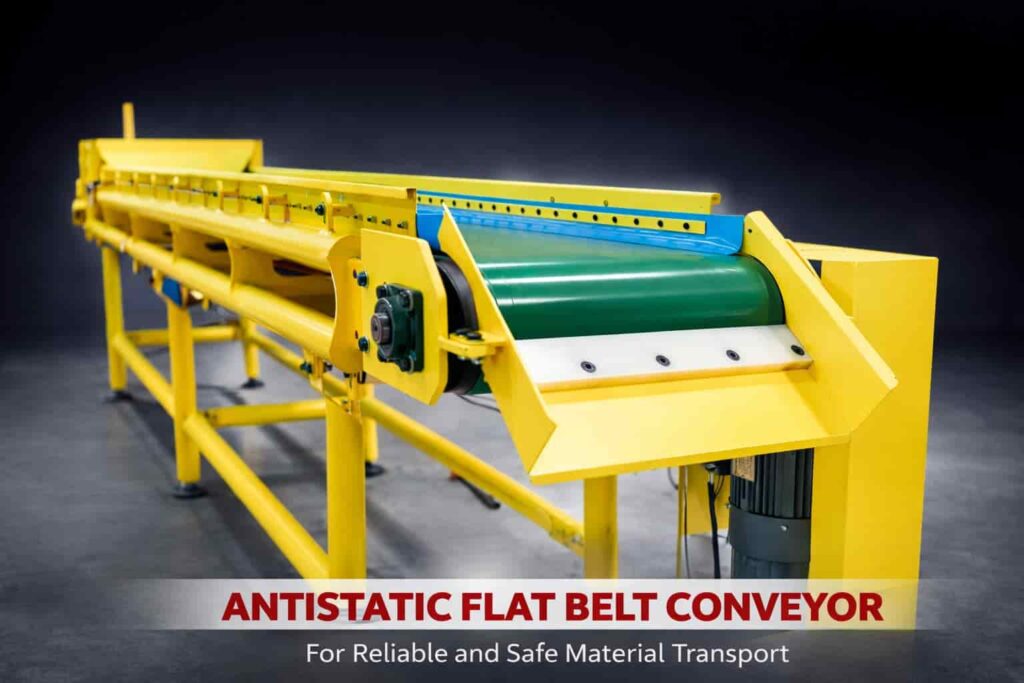
- Automatic Conveyor Systems
- PLC & HMI Control Panels
- Industrial Sensors
- Packaging Line Automation
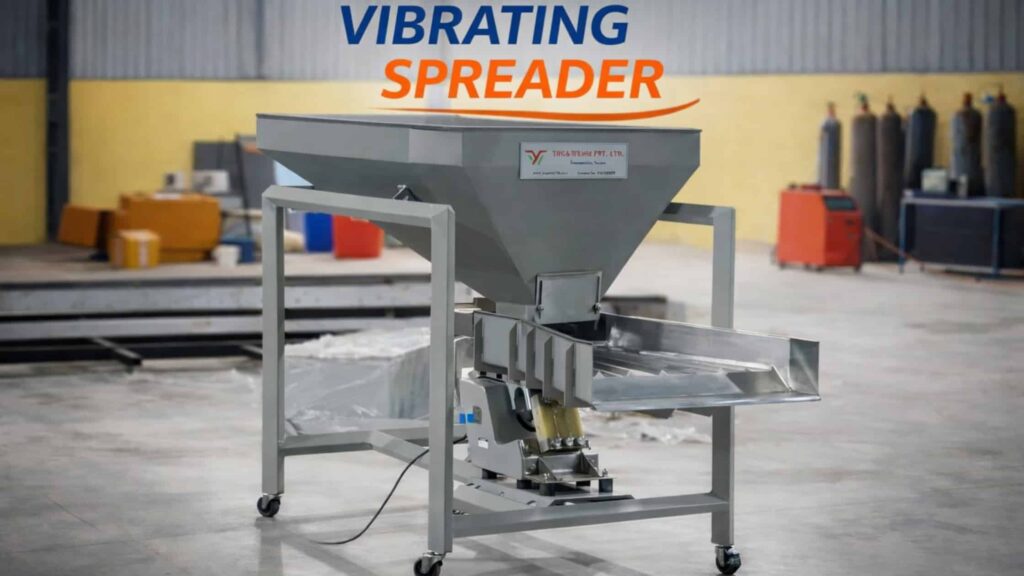
- Material Handling Systems
- Weighing & Filling Machines
- Robotic Pick-and-Place Systems
- Quality Inspection Systems
Why Food Processing Industries Need Automation
Growing consumer demand, stricter hygiene regulations, rising labor costs, and the need for consistent product quality have made automation essential for modern food manufacturers. Investing in industrial automation food industry solutions enables businesses to increase productivity while maintaining high food safety standards.
Automated systems reduce manual handling, improve traceability, minimize production errors, and support continuous manufacturing operations. This leads to lower operating costs, faster production cycles, and improved customer satisfaction.
- Higher production output
- Reduced labor dependency
- Improved food safety
- Consistent product quality
- Lower operational costs
- Reduced product wastage
- Better production monitoring
- Easy integration with Industry 4.0 technologies
How Food Processing Automation Works
A modern food processing automation system integrates advanced machinery, programmable logic controllers (PLC), sensors, conveyors, and automated packaging equipment into one intelligent production line. Every stage is monitored and controlled automatically to ensure maximum efficiency, hygiene, and consistent product quality.
The automated process begins with raw material feeding and continues through cleaning, processing, conveying, inspection, packaging, and palletizing. Intelligent control systems continuously monitor machine performance and automatically adjust production parameters whenever required.
Typical Automated Food Processing Workflow
- Raw Material Receiving & Inspection
- Cleaning and Washing
- Sorting & Grading
- Mixing or Processing
- Automatic Material Handling
- Quality Inspection
- Packaging Automation
- Palletizing & Storage
Major Benefits of Food Manufacturing Automation
Implementing food manufacturing automation offers significant advantages for manufacturers looking to improve operational efficiency, reduce costs, and maintain high product quality.
| Benefit | Business Impact |
|---|---|
| Higher Productivity | Continuous production with minimal downtime |
| Consistent Product Quality | Uniform processing across every production batch |
| Reduced Labor Costs | Less dependence on manual operations |
| Improved Food Safety | Reduced human contact lowers contamination risks |
| Lower Product Waste | Accurate processing minimizes raw material losses |
| Energy Efficiency | Optimized motors and intelligent control systems |
| Production Monitoring | Real-time machine performance tracking |
| Easy Plant Expansion | Automation systems can be upgraded as production grows |
Key Advantages
- Faster production cycles
- Improved operational efficiency
- Reduced downtime
- Higher return on investment
- Improved worker safety
- Lower maintenance costs
- Consistent product quality
- Enhanced production planning
Types of Food Processing Automation Systems
Different food manufacturing plants require different automation solutions depending on production capacity, product type, and processing requirements. The following systems are commonly used in the industrial automation food industry.
Automatic Conveyor Systems
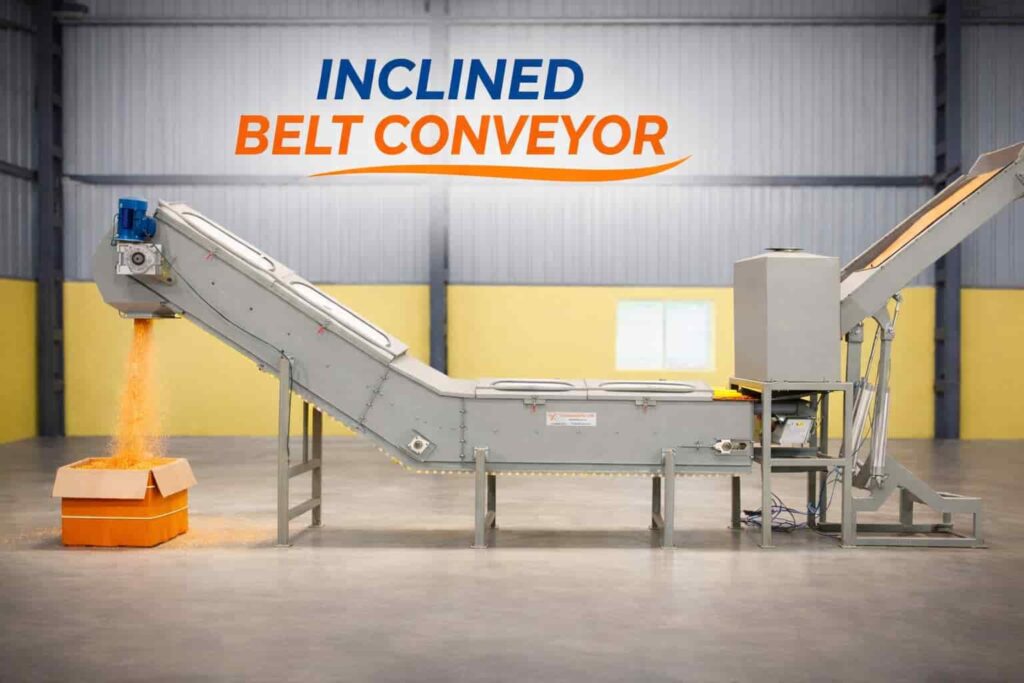
Conveyors automate material transfer between processing machines while reducing manual handling and increasing production speed.
PLC Control Systems
PLC-based automation controls every machine function with high accuracy, ensuring consistent and reliable production.
Robotic Material Handling
Industrial robots perform repetitive operations such as picking, placing, sorting, and palletizing with exceptional precision.
Automatic Packaging Systems
Packaging automation increases speed, reduces human error, and improves packaging consistency across production lines.
Quality Inspection Systems
Automated inspection equipment detects defective products before packaging, ensuring superior product quality.
Industrial IoT Monitoring
Smart monitoring systems collect production data in real time, enabling predictive maintenance and better production planning.
Applications of Food Processing Automation
Today, food processing automation is used across almost every food manufacturing sector to improve productivity, hygiene, and operational efficiency.
- Snack Food Manufacturing
- Potato Chips Production Lines
- Namkeen Manufacturing Plants
- Bakery & Biscuit Industries
- Dairy Processing Plants
- Rice Flakes (Poha) Processing
- Frozen Food Manufacturing
- Spice Processing Industries
- Ready-to-Eat Food Production
- Packaging & Warehousing Facilities
Industry Insight
Modern food manufacturing automation enables manufacturers to increase production capacity while maintaining strict hygiene standards, reducing operating costs, and delivering consistent product quality for domestic and international markets.
Technical Specifications of Food Processing Automation Systems
The specifications of a food processing automation system vary depending on production capacity, product type, automation level, and factory requirements. Modern systems are designed to deliver high productivity while maintaining hygiene and food safety standards.
| Feature | Specification |
|---|---|
| Automation Type | Semi Automatic / Fully Automatic |
| Control System | PLC + HMI Touch Screen |
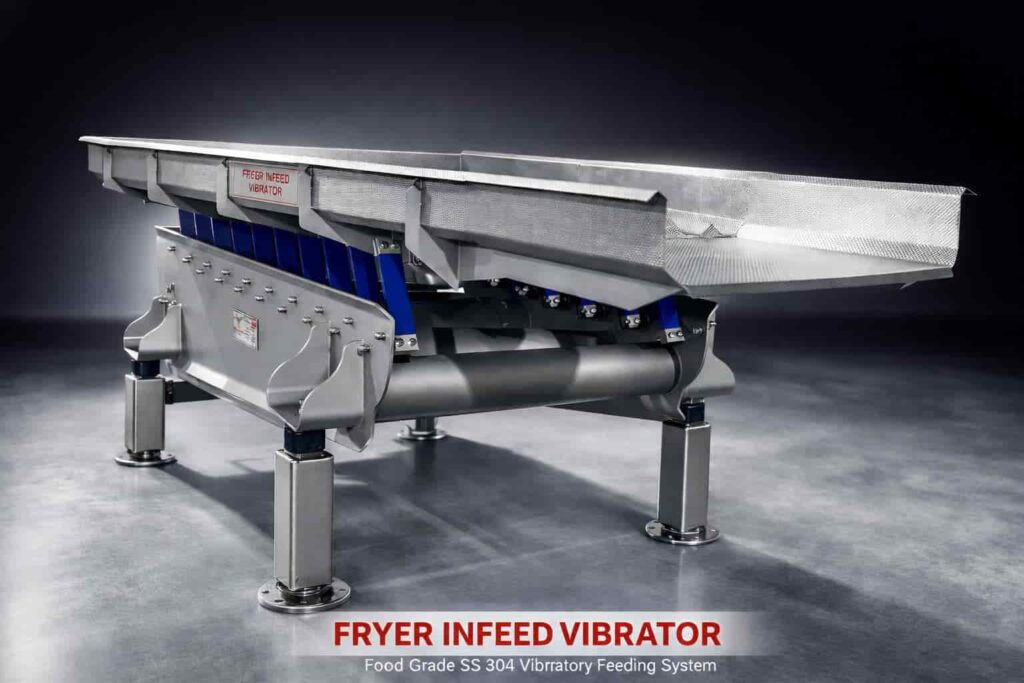
| Machine Material | SS304 / SS316 Food Grade Stainless Steel |
| Drive System | Variable Frequency Drive (VFD) |
| Power Supply | 415V / 50Hz / 3 Phase |
| Production Capacity | Customized as per Plant Requirement |
| Safety Features | Emergency Stop, Safety Sensors |
| Automation Compatibility | Industry 4.0 Ready |
| Monitoring | Real-Time Production Monitoring |
Common Challenges in Food Processing Industries & Automation Solutions
Food manufacturers often face production challenges that affect productivity, product quality, and profitability. Implementing food processing automation helps overcome these issues efficiently.
| Industry Challenge | Automation Solution |
|---|---|
| High Labor Dependency | Automatic Material Handling Systems |
| Production Delays | Continuous Automated Processing |
| Inconsistent Product Quality | PLC Controlled Processing |
| Food Contamination | Food Grade Stainless Steel Equipment |
| Material Wastage | Accurate Automated Feeding Systems |
| Packaging Errors | Automatic Packaging Machines |
| Machine Downtime | Predictive Maintenance & Smart Monitoring |
| Higher Energy Consumption | Energy Efficient Motors & VFD Controls |
Why Automation Makes a Difference
By implementing food manufacturing automation, manufacturers can improve production efficiency, reduce operating costs, minimize product losses, and maintain consistent food quality throughout the manufacturing process.
Food Processing Automation vs Manual Food Processing
Many traditional food factories still depend on manual production methods. However, modern industrial automation food industry solutions deliver significantly better productivity, hygiene, and long-term operational savings.
| Feature | Food Processing Automation | Manual Processing |
|---|---|---|
| Production Speed | Very High | Limited |
| Product Quality | Consistent | Varies |
| Labor Requirement | Low | High |
| Food Safety | Excellent | Moderate |
| Production Monitoring | Real-Time | Manual |
| Product Wastage | Minimal | Higher |
| Operational Cost | Lower in Long Term | Higher |
| Automation Integration | Fully Compatible | Not Available |
Buying Guide – Choosing the Right Food Processing Automation System
Selecting the right food processing automation solution requires careful planning. The right automation partner can improve efficiency, product quality, and return on investment for many years.
Factors to Consider Before Investing
- Choose food-grade stainless steel equipment.
- Select machinery based on production capacity.
- Ensure PLC and HMI automation compatibility.
- Look for energy-efficient motors and VFD drives.
- Verify customization options for future expansion.
- Check after-sales service and spare part availability.
- Buy from an experienced food processing equipment manufacturer.
Conclusion: Why Food Processing Automation Matters
As the food industry becomes more competitive, investing in a food processing automation solution is no longer optional—it is a strategic necessity. Modern automation technologies help manufacturers improve production efficiency, maintain consistent product quality, reduce operational costs, and comply with stringent food safety regulations.
Whether you operate a snack manufacturing plant, dairy processing facility, bakery, spice processing unit, or ready-to-eat food factory, implementing a food manufacturing automation strategy can significantly enhance productivity and profitability.
Yuga-We100 delivers customized industrial automation food industry solutions designed to streamline every stage of food production, from raw material handling to automated packaging.
Related Products & Solutions
Food Processing Automation SystemIndustrial Conveyor SystemZ Type Bucket ElevatorInclined Belt ConveyorVibro Screen MachineFood Processing Plant MachineryAutomatic Packaging LineMaterial Handling SystemUpgrade Your Food Processing Plant with Smart Automation
Looking for reliable food processing automation solutions for your manufacturing plant? Yuga-We100 provides customized automation systems, hygienic conveyors, material handling equipment, and complete production line integration for modern food industries.
Get Free ConsultationExternal Resources
For more information on food safety standards, industrial automation, and food manufacturing best practices, explore these trusted resources:
- Food Safety and Standards Authority of India (FSSAI)
- Ministry of Food Processing Industries (MoFPI)
- U.S. Food & Drug Administration – Food
- International Society of Automation (ISA)
- PMMI – Association for Packaging & Processing Technologies
Frequently Asked Questions (FAQs)
1. What is food processing automation?
Food processing automation uses automated machines, sensors, PLC controls, robotics, and conveyor systems to improve efficiency, hygiene, and production accuracy in food manufacturing plants.
2. Which industries benefit from food manufacturing automation?
Snack processing, dairy, bakery, spice processing, frozen food, beverage, namkeen, confectionery, and ready-to-eat food industries all benefit from automation systems.
3. What are the benefits of industrial automation in the food industry?
Automation improves productivity, minimizes manual labor, enhances food safety, ensures consistent product quality, reduces waste, and lowers production costs.
4. Can automation systems be customized?
Yes. Yuga-We100 designs customized automation systems according to production capacity, product type, plant layout, and customer requirements.
5. What machines are included in an automated food processing system?
Typical systems include conveyors, bucket elevators, processing machines, weighing systems, packaging equipment, inspection systems, and PLC-based control panels.
6. Is automation suitable for small food manufacturers?
Yes. Automation solutions are available for small, medium, and large-scale food processing industries and can be expanded as production grows.
7. Why choose Yuga-We100?
Yuga-We100 provides customized food automation solutions, industrial conveyors, hygienic equipment, expert engineering, installation support, and reliable after-sales service across India.
8. How do I get a quotation?
Simply contact Yuga-We100 with your production requirements to receive a customized automation proposal and competitive pricing.