Table of Contents
What is a Conveyor Belt?
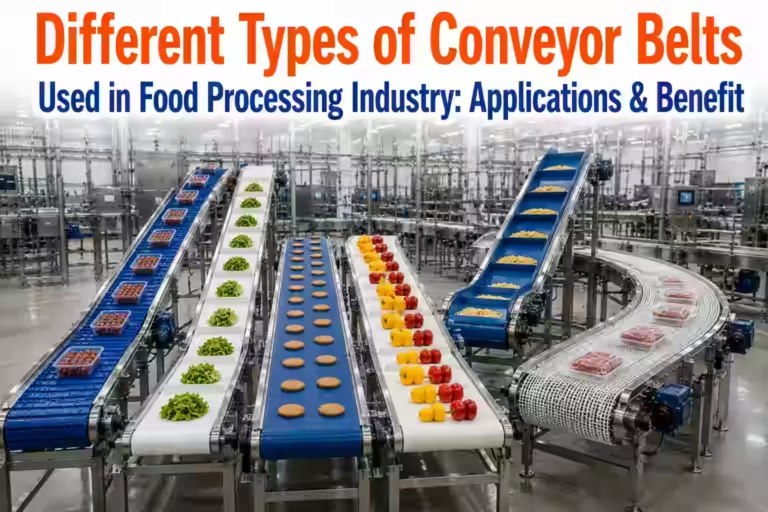
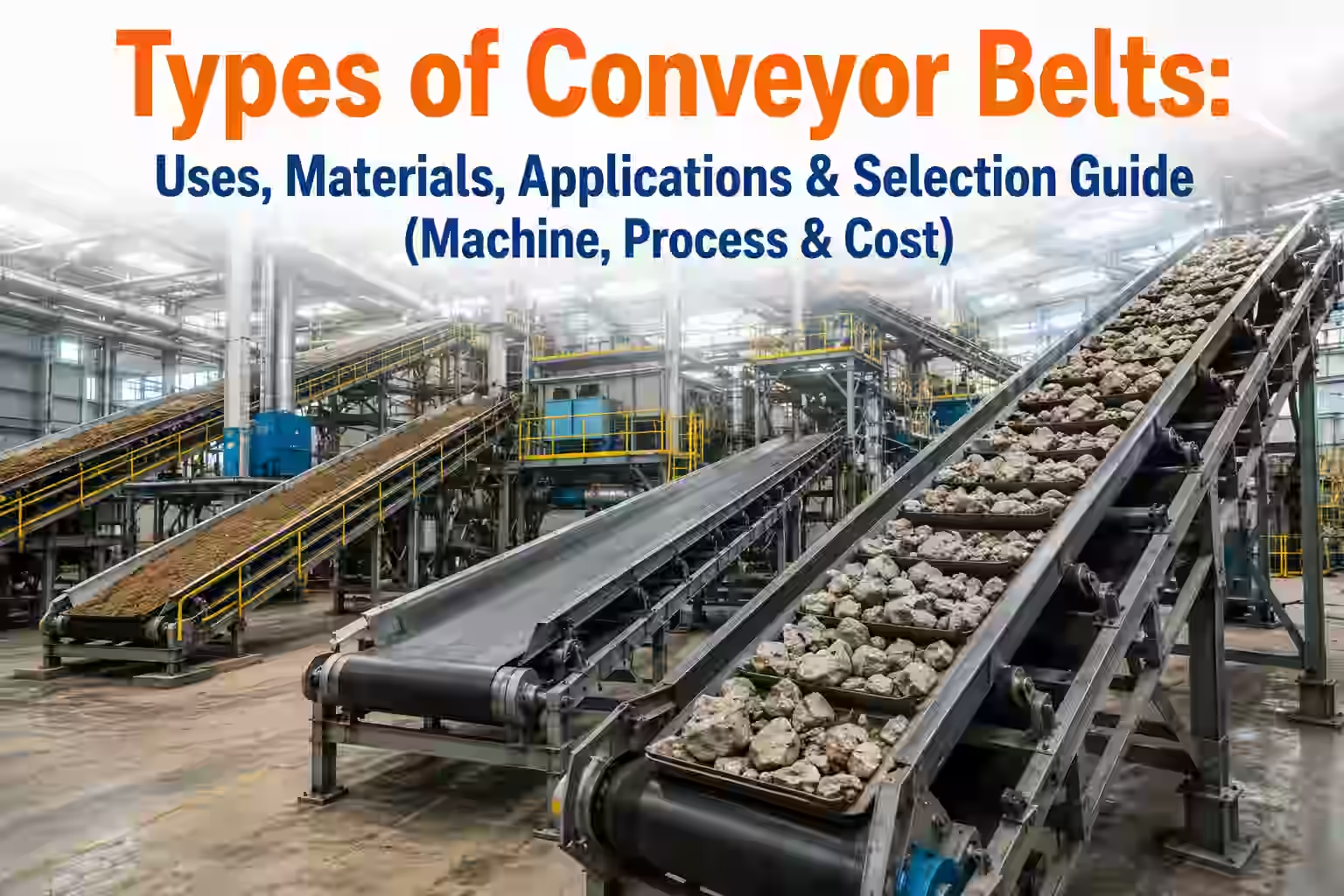
A conveyor belt is a continuous material handling system used to transport products, components, and bulk materials from one location to another. Understanding different types of conveyor belts helps industries select the right conveyor system based on product requirements, load capacity, speed, and operating conditions.
Different types of conveyor belts are designed according to product requirements, load capacity, speed, environment, and industry standards. Selecting the right conveyor solution helps improve productivity and operational efficiency.
Importance of Conveyor Systems in Modern Industries
Industrial conveyor systems play an important role in automation by reducing manual handling, improving production flow, and increasing workplace efficiency.
- Improves material movement speed
- Reduces labour dependency
- Supports automation processes
- Improves production efficiency
- Provides safer material handling
- Reduces operational delays
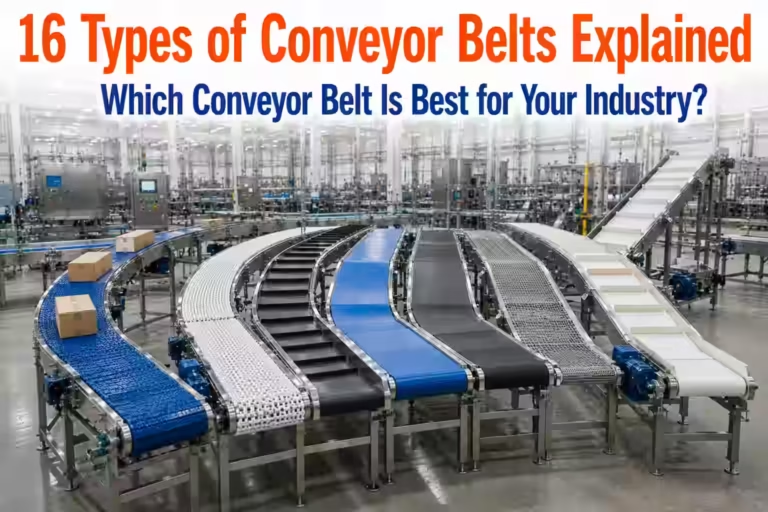
16 Types of Conveyor Belts
Different industries require different conveyor belt designs depending on product characteristics, production requirements, hygiene standards, and material handling challenges. Understanding conveyor belt types helps businesses select the most efficient solution.
Factors like belt material, load capacity, operating environment, product shape, and application requirements determine the ideal conveyor system.
1. Flat Belt Conveyor
A flat belt conveyor is one of the most common conveyor systems used for transporting products over short and long distances. It consists of a continuous flat belt supported by rollers or a sliding surface.
- Packaging lines
- Warehouses
- Assembly lines
- Manufacturing facilities
2. Modular Belt Conveyor
Modular belt conveyors use interlocking plastic modules instead of a traditional continuous belt. They are durable and suitable for applications requiring frequent cleaning.
- Food processing plants
- Beverage industry
- Packaging operations
3. Cleated Belt Conveyor
Cleated conveyor belts include raised sections that prevent products from sliding during inclined transportation.
- Agriculture
- Food products
- Bulk material handling
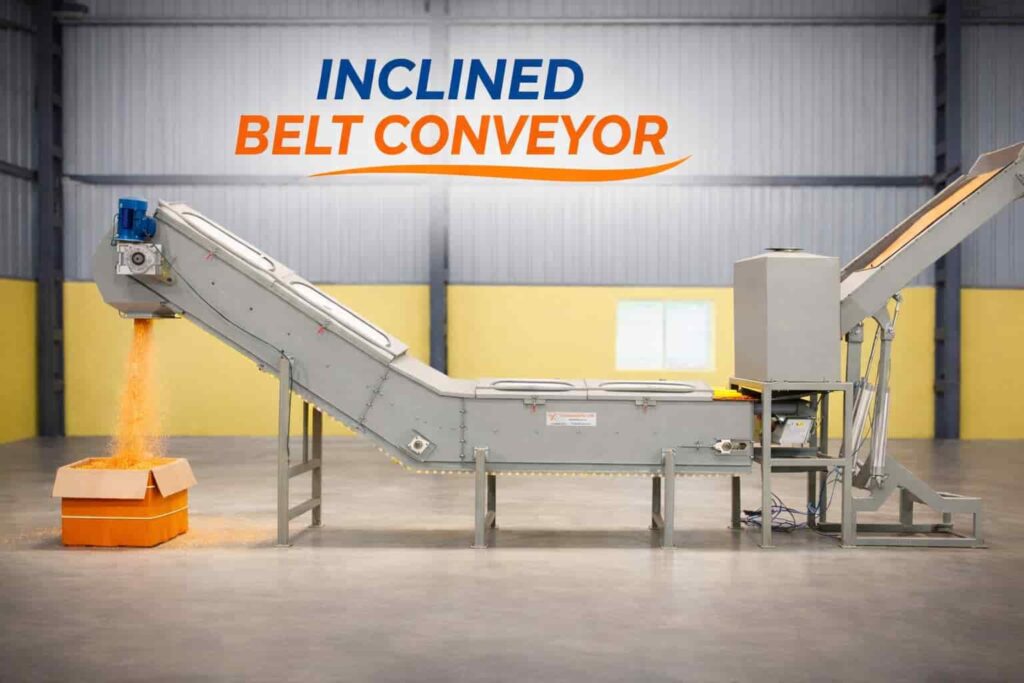
4. Inclined Conveyor Belt
Inclined conveyor belts transport materials between different heights while saving floor space and improving workflow.
- Food processing
- Packaging plants
- Warehouses
5. Curved Conveyor Belt
Curved conveyor systems allow products to change direction smoothly without interrupting production flow.
- Airports
- Distribution centres
- Manufacturing facilities
6. Roller Bed Conveyor
Roller bed conveyors use rollers underneath the belt to reduce friction and handle heavier products efficiently.
- Heavy product handling
- Logistics centres
- Industrial manufacturing
7. Wire Mesh Conveyor
Wire mesh conveyor belts provide airflow and are commonly used for drying, cooling, heating, and baking applications.
- Bakery production
- Heat treatment
- Drying processes
8. Timing Belt Conveyor
Timing belt conveyors provide accurate positioning and synchronized movement, making them suitable for automated production systems and precision applications.
- Electronics manufacturing
- Robotic systems
- Assembly automation
9. Magnetic Conveyor
Magnetic conveyors use magnetic force to move ferrous materials safely and efficiently in industrial applications.
- Metal processing
- Machining operations
- Recycling plants
10. Bucket Conveyor
Bucket conveyors are designed for vertical transportation of bulk materials using attached buckets. They are commonly used where space-saving material handling is required.
- Grain handling
- Agriculture
- Food manufacturing
11. Vacuum Conveyor
Vacuum conveyors transport lightweight materials and powders through enclosed systems using suction technology.
- Pharmaceutical industry
- Chemical processing
- Food ingredient transfer
12. Food Grade Conveyor Belt
Food grade conveyor belts are designed with hygienic materials and are used in industries where cleanliness and product safety are important.
- Snack manufacturing
- Bakery production
- Dairy processing
13. Stainless Steel Conveyor
Stainless steel conveyors provide corrosion resistance, durability, and hygiene for demanding industrial environments.
- Food processing
- Pharmaceutical industry
- Chemical manufacturing
14. Heavy Duty Conveyor Belt
Heavy duty conveyor belts are built for handling large loads, abrasive materials, and challenging industrial conditions.
- Mining operations
- Cement plants
- Heavy manufacturing
15. PU/PVC Conveyor Belt
PU and PVC conveyor belts are popular due to flexibility, durability, easy maintenance, and cost-effectiveness.
- Food processing
- Packaging industry
- General manufacturing
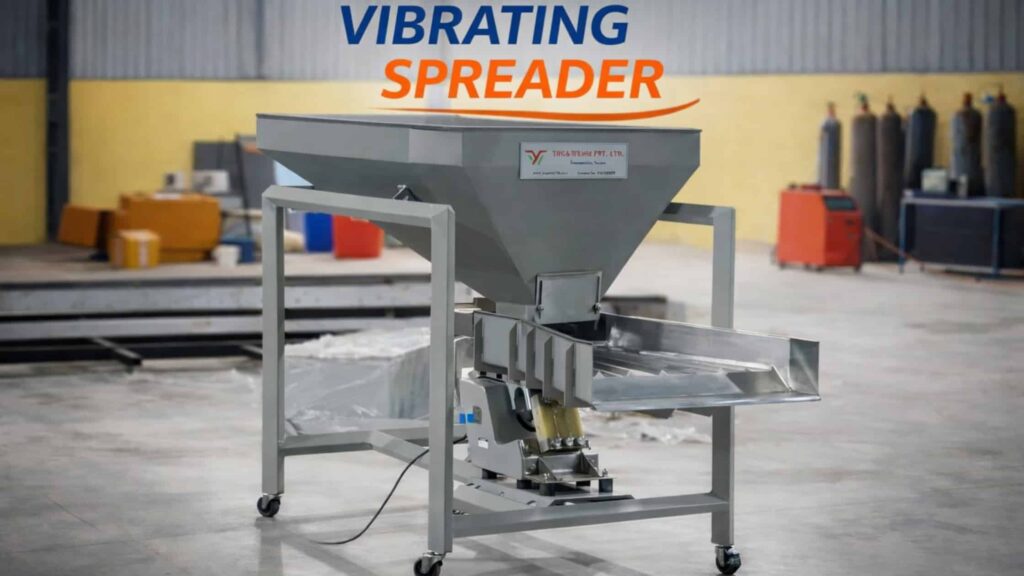
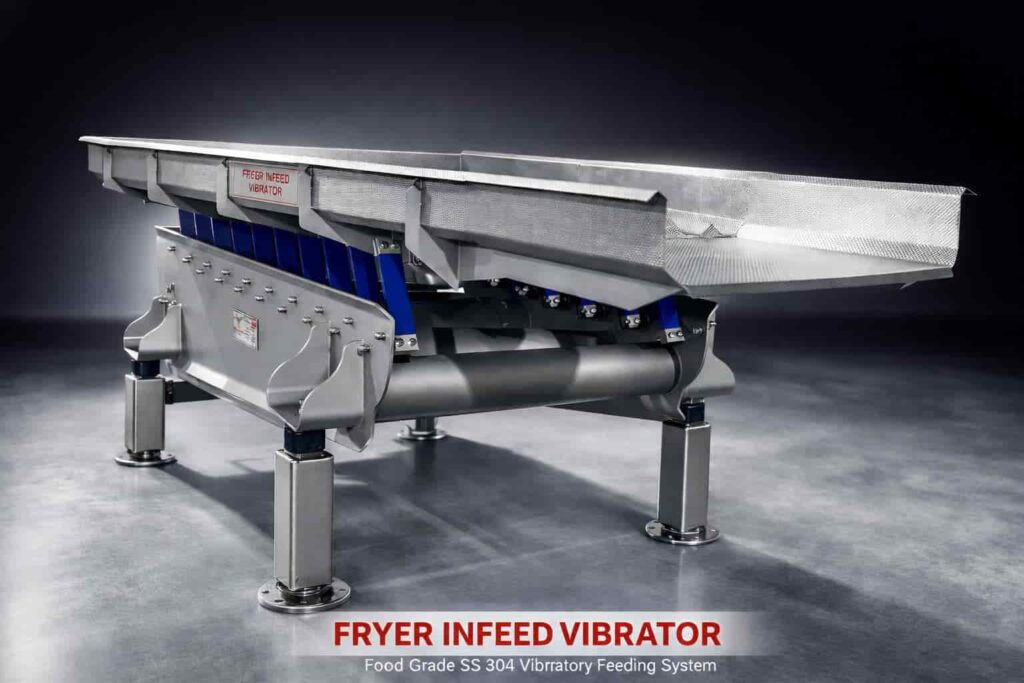
16. Vibratory Conveyor
Vibratory conveyors move products using controlled vibration and are suitable for sorting and bulk material handling applications.
- Food processing
- Bulk material handling
- Sorting operations
Conveyor Belt Materials Used in Different Types of Conveyor Belts
Choosing the correct conveyor belt material is important for durability, performance, hygiene, and operating efficiency. Common materials include PU, PVC, rubber, and stainless steel.
PU (Polyurethane) Conveyor Belt
PU conveyor belts are widely used in food processing and pharmaceutical industries because of their hygienic properties and resistance to oils and fats.
- Food-safe material
- Oil resistant
- Flexible design
- Easy cleaning
PVC (Polyvinyl Chloride) Conveyor Belt
PVC conveyor belts are economical solutions suitable for packaging, manufacturing, warehousing, and general industrial applications.
- Cost-effective
- Lightweight
- Good abrasion resistance
- Low maintenance
Rubber Conveyor Belt
Rubber conveyor belts are designed for heavy-duty industries where strength, impact resistance, and durability are required.
- High strength
- Excellent grip
- Impact resistant
- Long service life
Stainless Steel Conveyor Belt
Stainless steel conveyor belts are ideal for applications requiring corrosion resistance, heat resistance, and hygienic operation.
- Corrosion resistant
- Heat resistant
- Food-grade hygiene
- Durable construction
Conveyor Belt Material Comparison
| Material | Main Feature | Best Industry |
|---|---|---|
| PU | Food Safe & Flexible | Food & Pharma |
| PVC | Cost Effective | Packaging & Manufacturing |
| Rubber | Heavy Duty Performance | Mining & Cement |
| Stainless Steel | Hygienic & Corrosion Resistant | Food, Pharma & Chemical |
Types of Conveyor Belts and Their Applications
| Industry | Application |
|---|---|
| Food Processing | Product transfer and packaging |
| Packaging | Sorting and material movement |
| Agriculture | Grain and crop handling |
| Pharmaceutical | Hygienic material transportation |
| Manufacturing | Assembly line automation |
How to Choose the Right Types of Conveyor Belts
Selecting the right conveyor belt depends on product type, load capacity, operating environment, speed requirements, maintenance needs, and industry standards.
- Identify material type and product weight
- Choose suitable belt material
- Consider temperature and environment
- Check hygiene requirements
- Evaluate automation needs
- Plan future expansion
Industry Resources
Learn more about industrial safety and international standards:
Looking for the Right Conveyor Belt System?
Yuga-We100 provides customized industrial conveyor systems for food processing, packaging, pharmaceutical, agriculture, and manufacturing industries.
Get Free ConsultationWhy Choose Yuga-We100 Conveyor Solutions?
Yuga-We100 designs and manufactures customized conveyor systems including different types of conveyor belts for food processing, packaging, pharmaceutical, agriculture, and manufacturing industries.
- Customized conveyor solutions
- Food-grade conveyor systems
- Industrial automation support
- Quality engineering
- Reliable after-sales support
Frequently Asked Questions
1. What are the different types of conveyor belts?
Common types include flat belt conveyors, modular belt conveyors, cleated conveyors, inclined conveyors, roller conveyors, wire mesh conveyors, PU/PVC belts, and heavy duty conveyor belts.
2. Which conveyor belt material is best?
The best material depends on application. PU is preferred for food industries, PVC for general applications, rubber for heavy duty use, and stainless steel for hygienic environments.
3. Where are conveyor belts used?
Conveyor systems are used in food processing, packaging, agriculture, pharmaceutical, logistics, and manufacturing industries.
4. How do I select the right conveyor belt?
Selection depends on product type, load, speed, environment, hygiene requirements, and automation needs.