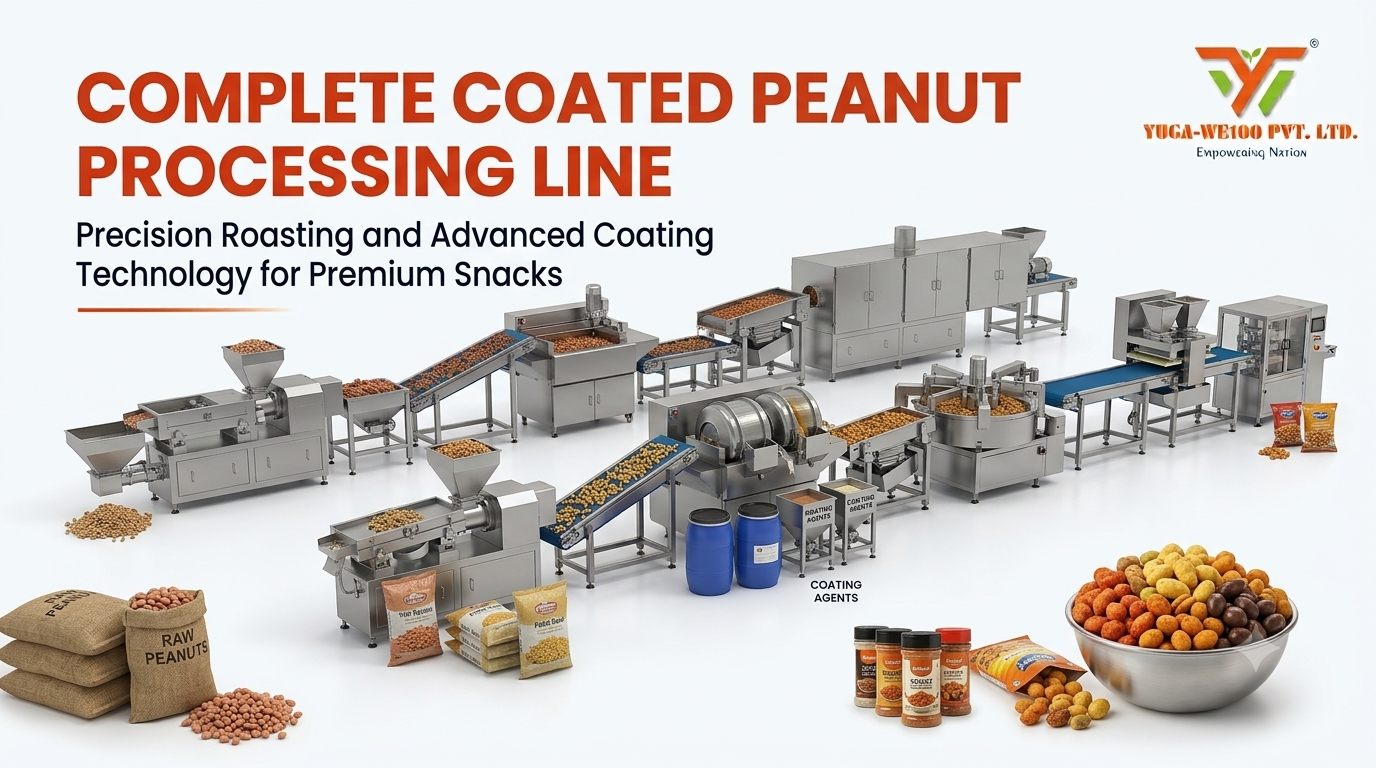
Coated Peanut Processing Line: Complete Manufacturing Process & Machinery
Discover how coated peanuts are manufactured using a combination of raw material preparation, batter coating, frying or drying, seasoning, cooling and packaging equipment.
Coated peanuts are a popular snack known for their crunchy outer layer and variety of flavours. Depending on the recipe, they may feature spicy masala, salted, tangy, garlic, chilli or other flavour profiles. Manufacturers use different coating formulations and processing methods to achieve the required texture, appearance and taste.
A coated peanut processing line brings together suitable preparation, coating, thermal processing and packaging equipment to support consistent commercial production. The machinery configuration depends on the product recipe, desired output, coating thickness and whether the product is fried, baked or otherwise dried.
Coated Peanut Manufacturing Process
The manufacturing process begins with suitable peanuts and a coating formulation. The peanuts are prepared, coated with the required flour or batter mixture, and processed using a suitable frying or drying method. After thermal processing, the product may be seasoned, cooled and packed for distribution.
This is a general process flow, not a fixed machine sequence. Certain products require multiple coating applications, intermediate drying or specialised handling. Final equipment selection should be based on the intended coated peanut product.
Step-by-Step Coated Peanut Production Process
Raw Peanut Selection
Select peanuts suitable for the product, considering size, quality, moisture, cleanliness and the required final texture.
Cleaning and Grading
Remove unwanted foreign material and separate peanuts by appropriate grading methods where the product requires it.
Coating Mixture Preparation
Prepare the flour, starch, spices, seasonings and binding ingredients according to the product formulation.
Peanut Coating
Apply the coating mixture in a suitable coating pan, drum or other appropriate system to achieve the required coverage.
Frying or Thermal Processing
Process the coated peanuts using a recipe-appropriate fryer, oven or drying system to develop the desired texture and product characteristics.
Seasoning and Cooling
Apply additional seasoning where required, then cool the product under controlled conditions before packing.
Inspection and Quality Checks
Check coating uniformity, colour, texture, foreign material risks and product quality using appropriate inspection methods.
Weighing and Packaging
Weigh the finished product and pack it in suitable packaging that protects freshness and supports distribution.
Storage and Dispatch
Store finished packs under appropriate conditions and dispatch them according to product handling requirements.
Machinery Required for a Coated Peanut Processing Line
A commercial production line may include the following equipment. Not every machine is necessary for every product, and some processing stages can be combined depending on the production method and factory layout.
| Machine / System | Primary Function |
|---|---|
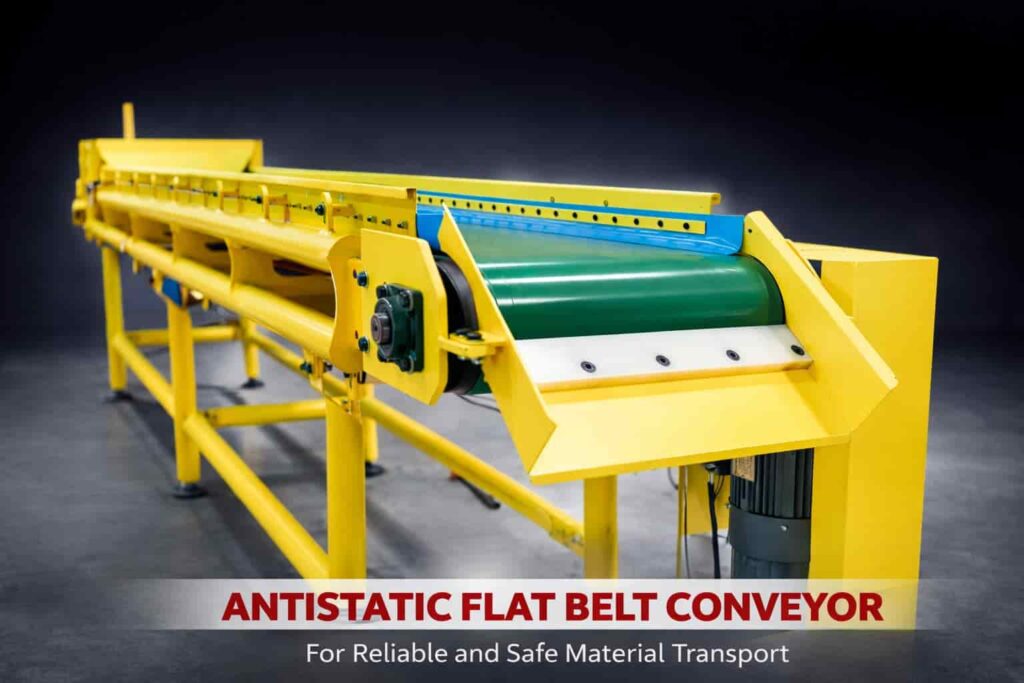
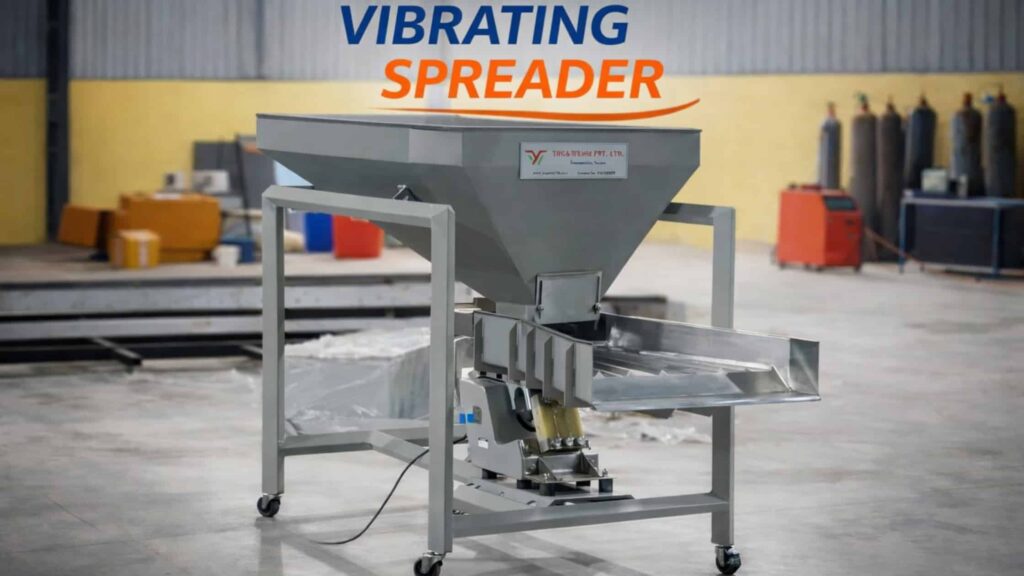
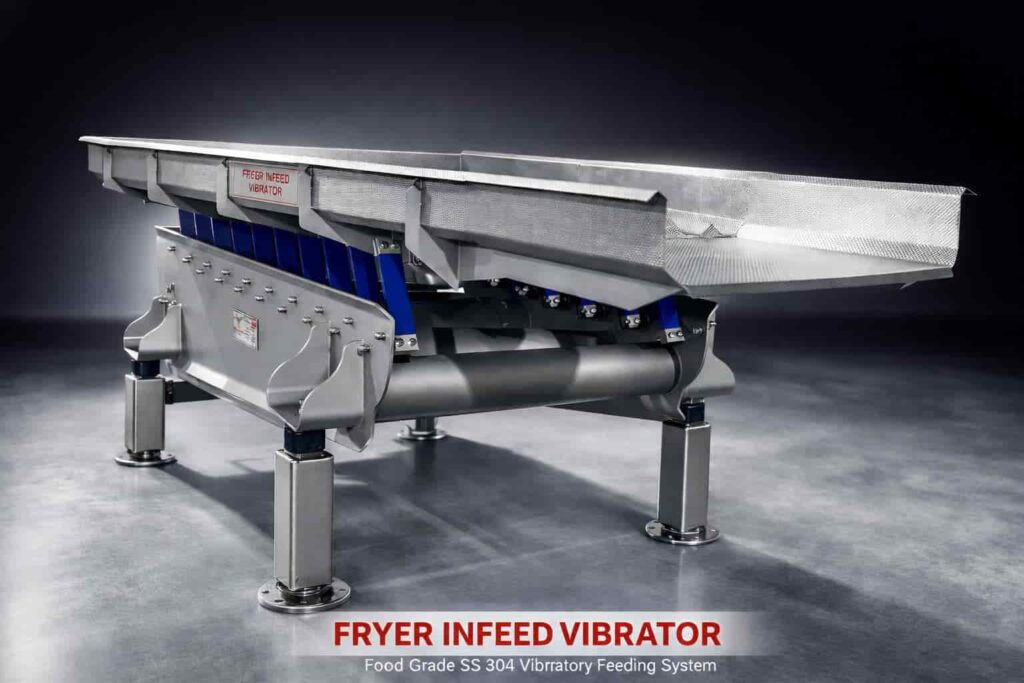
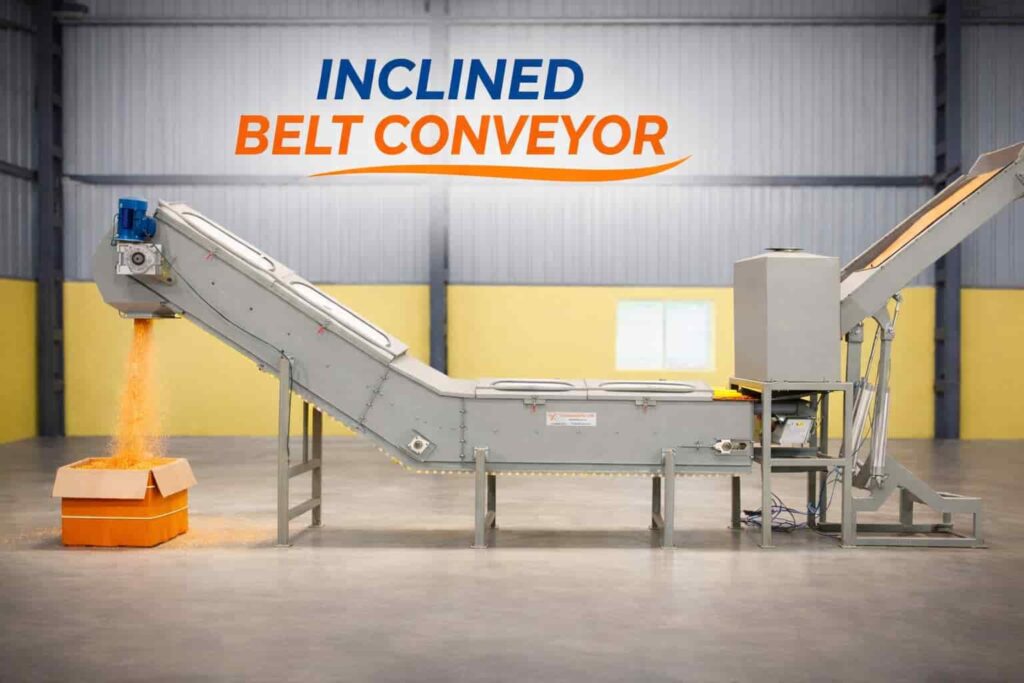
| Feeding and Transfer System | Moves raw peanuts between preparation and processing stages. |
| Cleaning and Grading Equipment | Helps remove foreign material and sort raw peanuts as required. |
| Ingredient Mixing Equipment | Prepares dry coating ingredients or wet batter according to the recipe. |
| Peanut Coating Machine | Distributes the coating mixture around peanuts to achieve the required coverage. |
| Frying System | Processes suitable coated peanut products through controlled frying. |
| Oven or Drying System | Provides thermal processing for products designed for baking or drying. |
| Seasoning System | Applies additional dry flavours or seasonings when needed. |
| Cooling Conveyor | Transfers and cools the finished product before downstream handling. |
| Inspection Equipment | Supports product quality checks and foreign material control. |
| Weighing and Packaging Machine | Measures product quantities and forms finished retail or bulk packs. |
Material-handling systems, conveyors, elevators and distribution equipment can connect suitable stages of the line. For an integrated project, the layout should account for product flow, cleanability, operator access and maintenance.
Benefits of an Integrated Coated Peanut Processing Line
How to Select the Right Coated Peanut Processing Equipment
Selecting the right machinery requires more than comparing individual machine specifications. Manufacturers should evaluate the complete process, including the intended product, production capacity and downstream packaging requirements.
1. Define the Product Type
Determine whether the target product is masala-coated, flour-coated, batter-coated, crunchy, fried or oven-processed. Different products may require different coating and thermal-processing arrangements.
2. Establish Production Capacity
Specify the required output in kilograms per hour or tonnes per day. The feeding, coating, thermal processing, cooling and packaging equipment should be selected to work together at the planned rate.
3. Evaluate Product Handling
Consider coating adhesion, product breakage, transfer heights, discharge arrangements and the handling characteristics of the coated peanuts.
4. Consider Cleaning and Food Safety
Review food-contact materials, accessible cleaning points, allergen-control procedures, hygiene requirements and the relevant food-safety standards for your facility.
5. Plan the Complete Factory Layout
Allow sufficient room for equipment access, maintenance, utilities, safe operator movement, raw material storage and finished-product handling.
Frequently Asked Questions
1. What is a coated peanut processing line?
It is a group of machines used to prepare peanuts, apply a coating, process the coated product, cool or season it as needed, and package the finished snack.
2. Which machines are required to manufacture coated peanuts?
Depending on the recipe, a line may include cleaning and grading equipment, ingredient mixers, a coating machine, a fryer or oven, seasoning equipment, cooling conveyors and packaging machinery.
3. Can different flavours be produced on the same line?
A suitably designed line may handle different flavour formulations. Changeover procedures, cleaning requirements and recipe compatibility should be assessed before production.
4. Is frying necessary for coated peanuts?
Not always. The appropriate method depends on the product formulation and desired characteristics. Some products are fried, while others use baking or drying processes.
5. Can the processing line include automatic packaging?
Yes. Suitable weighing and packaging equipment can be integrated with the processing line, subject to product flow, required output and packaging format.
6. How do I choose the right production capacity?
Start with the target output, operating hours, product recipe and packaging speed. The complete line should be sized around the actual production requirement rather than a single machine.
Planning a Coated Peanut Manufacturing Line?
Explore food-processing and material-handling machinery from Yuga-We100. Discuss your product, production capacity and process requirements to determine a suitable equipment layout.
Explore Yuga-We100Note: The final process sequence and machinery requirements vary according to the coated peanut recipe, thermal-processing method, desired output and packaging specification.