Kurkure & Pellets Processing Line: Complete Manufacturing Guide
Discover the manufacturing process, essential machinery, material-handling systems and automation considerations for modern extruded snacks and pellets production.
Extruded snacks and snack pellets are widely used in the packaged food industry to create products in different shapes, textures, flavours and sizes. From crunchy, ridged extruded snacks to rings, tubes and other pellet formats, manufacturers need coordinated equipment to achieve consistent production and efficient handling.
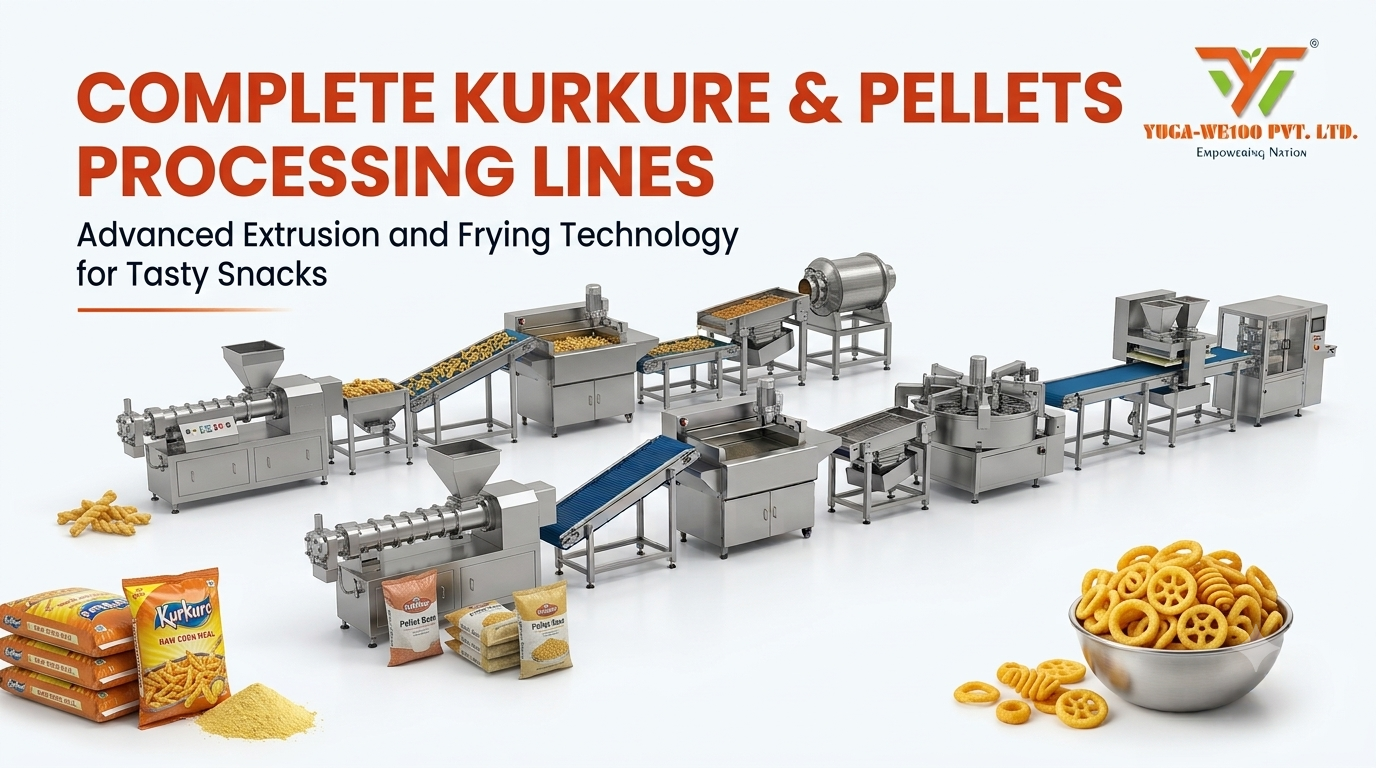
A Kurkure-style snacks and pellets processing line can include ingredient handling, mixing, extrusion, forming, cutting, drying, frying or baking, seasoning, cooling, inspection and packaging. The exact process depends on the formulation, extrusion technology and final product.
Yuga-We100 specialises in industrial conveying systems, vibratory equipment, screening and grading solutions, elevating systems and material-handling integration. These solutions can help connect compatible snack-processing stages and support organised product flow.
1. What Is a Kurkure & Pellets Processing Line?
A snack processing line is a coordinated arrangement of machinery used to transform formulated ingredients into finished snack products or semi-finished snack pellets. Machines are selected according to the recipe, desired shape, production capacity and final cooking method.
Kurkure-style extruded snacks typically require extrusion and shaping equipment, followed by suitable cooking, seasoning and packaging operations. Snack pellets may instead be manufactured as intermediate products that are dried, stored and later expanded through frying, hot-air processing or another suitable method.
Extrusion and Forming
Ingredient mixtures are processed through suitable extrusion and forming equipment to create the intended snack shape and structure.
Controlled Product Handling
Conveyors, elevators and distribution equipment transfer products between stages while helping maintain an organised production flow.
Cooking and Seasoning
Depending on the product, snacks may be fried, baked or otherwise processed before flavouring and cooling.
Packaging Integration
Weighing, distribution and packaging systems prepare finished products for dispatch and retail distribution.
2. Difference Between Extruded Snacks and Snack Pellets
Although the terms are sometimes used together, ready-to-eat extruded snacks and intermediate snack pellets are not necessarily manufactured in exactly the same way.
| Parameter | Ready-to-Eat Extruded Snacks | Snack Pellets |
|---|---|---|
| Primary purpose | Produce snacks intended to be seasoned and packed. | Produce intermediate shapes for subsequent expansion or cooking. |
| Forming | Extrusion and shaping according to the product design. | Pellet-forming equipment designed for the selected pellet type. |
| Further processing | Cooking, drying or frying, as required by the formulation. | Often drying and later frying, baking or another expansion method. |
| Seasoning | Usually applied before final packaging. | May be applied after the pellets are expanded and cooked. |
| Final product | Finished, ready-to-eat snack. | Intermediate pellets or finished expanded snacks, depending on the line. |
Important: Extrusion technology, pellet formulations and cooking methods vary significantly. Some extruded snacks expand directly during processing, while other pellet products are dried and expanded later. The production flow must be designed for the actual recipe and product specification.
3. Complete Kurkure & Pellets Manufacturing Process
The following flow outlines common processing stages. Not every stage is required for every snack product. The final machine sequence should be confirmed with the process-equipment supplier.
Typical Snack Manufacturing Workflow
- Raw Ingredient Receiving
- Ingredient Screening and Dosing
- Mixing and Blending
- Extrusion and Forming
- Cutting and Size Control
- Drying or Conditioning, if required
- Frying, Baking or Expansion
- Deoiling for Fried Products
- Seasoning and Flavour Coating
- Cooling and Inspection
- Distribution and Weighing
- Packaging and Dispatch
Raw Ingredient Handling
Ingredients such as cereal flours, starches and other recipe components are received and prepared for production. Suitable feeding systems, sieving equipment and ingredient dosing arrangements help ensure controlled supply to the mixing stage.
Mixing and Blending
Ingredients are mixed according to the product formulation. Water and other components may be added in controlled quantities. Mixing time, moisture and ingredient consistency influence subsequent extrusion behaviour.
Extrusion and Forming
The prepared mixture enters suitable extrusion equipment. The process uses controlled mechanical energy, temperature and pressure to produce the required structure and shape. The exact conditions depend on the extruder, formulation and intended snack type.
Cutting and Shape Control
Formed material is cut or shaped into the required dimensions. Consistent product size supports predictable downstream handling, cooking and packaging.
Drying or Conditioning
Certain pellets require controlled drying or conditioning before storage or further processing. This stage is particularly important for products intended to expand during a later frying or cooking operation.
Frying, Baking or Expansion
Depending on the formulation and product type, snacks may be fried, baked or processed using another suitable expansion method. Temperature, residence time and product loading must be validated for the specific snack.
Deoiling and Oil Management
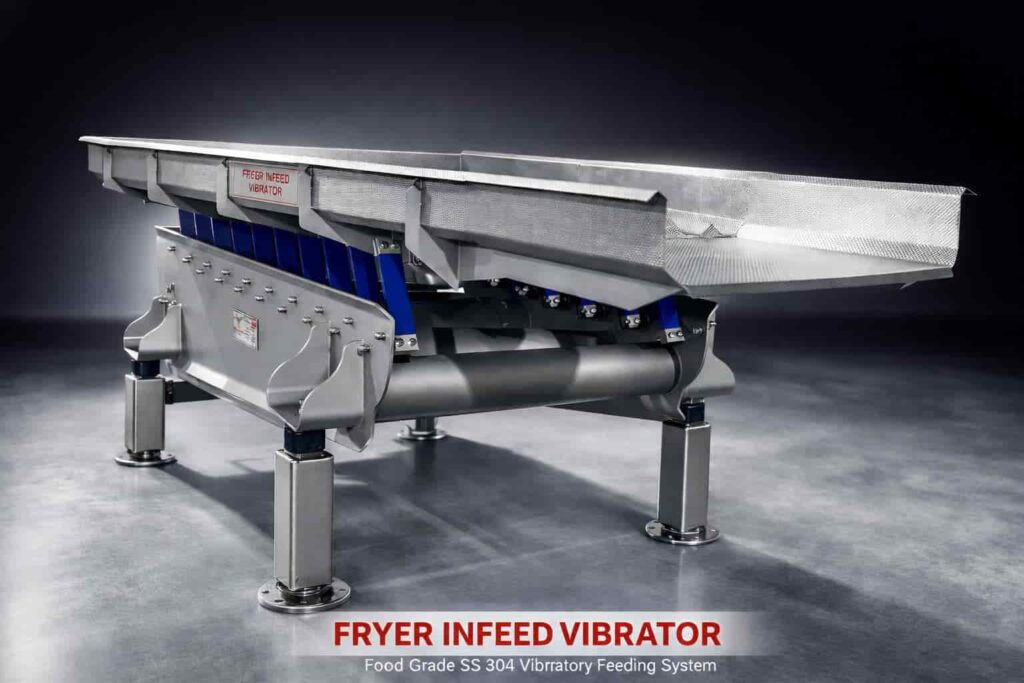
Fried products may pass through a suitable deoiling system to reduce excess surface oil. Vibratory shakers and oil-management equipment can support appropriate product transfer and drainage when engineered for the application.
Seasoning and Flavour Coating
Seasoning equipment applies salt, spices or other suitable flavouring ingredients. A properly designed system helps distribute seasoning consistently without excessive product breakage.
Cooling and Product Inspection
Snacks are cooled to an appropriate temperature before packaging. Inspection and screening systems can help identify broken pieces, foreign material or nonconforming products according to the quality-control plan.
Distribution and Packaging
Conveyors and distribution systems transfer products to weighing and packaging equipment. Suitable handling arrangements help manage product flow and reduce unnecessary drops, accumulation and breakage.
4. Machines Required for Kurkure & Pellets Manufacturing
A snack plant may require specialised process machinery alongside conveying and material-handling equipment. The equipment list below is a planning reference rather than a universal configuration.
| Equipment | Main Function | Key Consideration |
|---|---|---|
| Ingredient Feeding System | Feeds ingredients into the process. | Required throughput and dosing accuracy. |
| Sieve or Screening Unit | Removes unsuitable particles where required. | Screen size and product formulation. |
| Mixing System | Blends the ingredients. | Batch size, mixing uniformity and moisture. |
| Extruder and Forming Equipment | Creates the intended snack structure and shape. | Recipe, die design and process conditions. |
| Cutting System | Controls product length or dimensions. | Desired shape and production rate. |
| Dryer or Conditioning System | Adjusts moisture for products that require it. | Product type and target moisture. |
| Fryer or Baking System | Cooks or expands the snack. | Product recipe, heat transfer and throughput. |
| Dewatering or Vibratory Shaker | Supports moisture removal or controlled transfer where applicable. | Product condition and intended duty. |
| Deoiling Vibrator | Helps remove excess surface oil from fried snacks. | Oil drainage and product fragility. |
| Seasoning System | Applies flavouring ingredients. | Coating uniformity and recipe. |
| Cooling Conveyor | Transfers and cools finished snacks. | Cooling time and breakage control. |
| Distribution Conveyor | Routes snacks towards downstream equipment. | Balanced feeding and product flow. |
| Weighing and Packaging System | Measures and packs the finished product. | Pack size, packaging format and speed. |
Equipment scope: Extruders, mixers, forming machines, fryers and packaging machines may require specialist process-equipment suppliers. Confirm the available equipment and agreed supply scope with Yuga-We100 before specifying these machines as company-manufactured products.
5. Role of Conveyors and Vibratory Equipment
Conveying and transfer equipment connect individual processing stages into a coordinated manufacturing system. Correct equipment selection helps manage product flow and reduces unnecessary manual handling.
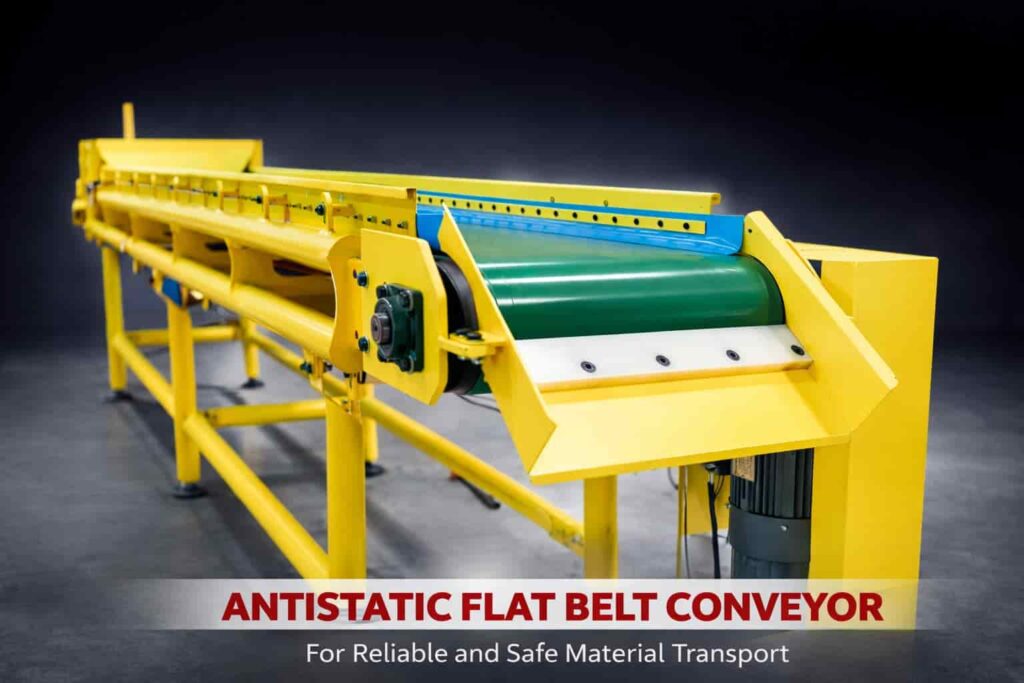
Horizontal Flat Belt Conveyors
Transfer snacks between compatible processing, inspection and packaging stations. Belt material and design should suit the product and cleaning requirements.
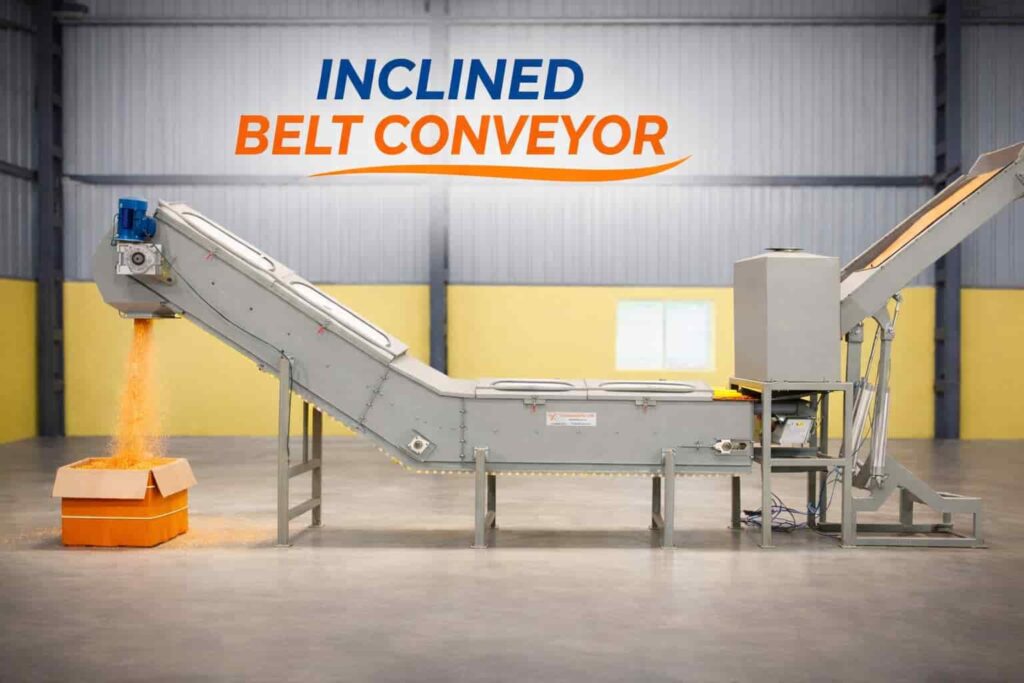
Inclined Conveyors and Elevators
Move ingredients, pellets or finished snacks between different machine heights while considering product fragility and transfer geometry.
Vibratory Conveyors
Provide controlled movement and feeding of suitable products. The design can be selected according to throughput, product characteristics and process needs.
Deoiling Shakers
Support surface-oil drainage and product transfer following frying, where the product and process are compatible with vibratory handling.
Inspection and Screening Systems
Support visual inspection, size separation or the removal of unsuitable particles where the application calls for these operations.
Distribution Systems
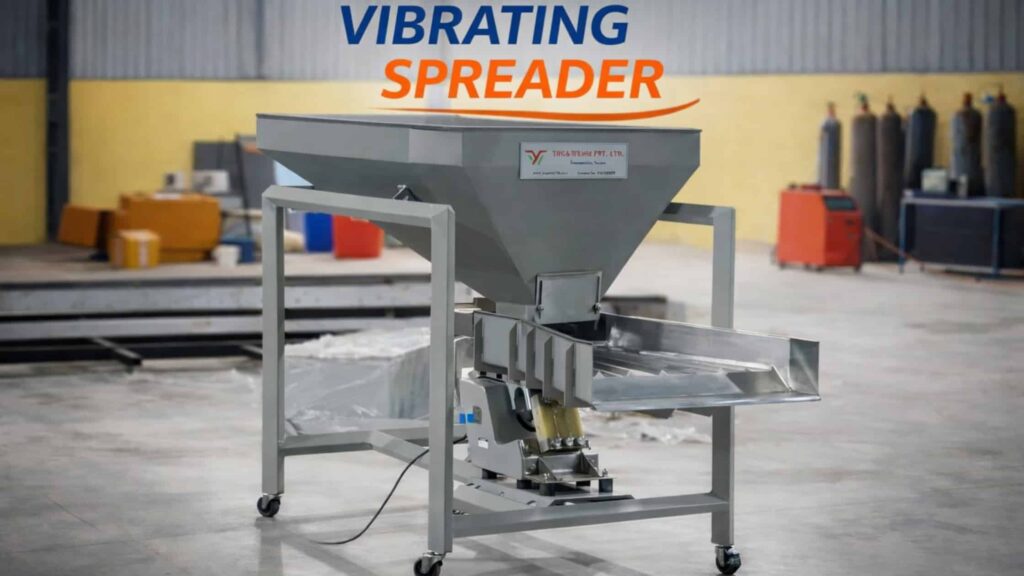
Route products to suitable downstream destinations and help maintain a more balanced supply to weighing and packaging stations.
Yuga-We100 offers conveying systems, vibratory equipment, grading and screening solutions, elevating systems and related industrial material-handling equipment. The appropriate configuration depends on product shape, fragility, temperature, oil exposure, throughput and the factory layout.
Explore our food processing industry solutions and industrial conveying equipment .
6. Benefits of an Integrated Snack Processing Line
Integrating processing equipment with suitable conveyors, transfer systems and packaging machinery can help snack manufacturers improve workflow and coordinate operations.
- More organised production flow: Connected equipment helps move products through defined manufacturing stages.
- Reduced manual handling: Suitable conveyors can reduce repetitive transfers between compatible machines.
- Improved feeding consistency: Properly sized feeding and distribution equipment helps maintain a steady supply to downstream machines.
- Better product protection: Thoughtful transfer design can reduce excessive drops and mechanical damage to fragile snacks.
- Potential labour savings: Automation may reduce repetitive handling tasks and improve operator productivity.
- Scalable production: A planned layout can allow additional equipment or packaging capacity to be incorporated later.
Automation does not automatically guarantee higher output or lower costs. Results depend on machine capacity, process balance, operating practices, maintenance and the suitability of the complete system.
7. How to Plan a Kurkure & Pellets Manufacturing Plant
Before purchasing equipment, manufacturers should define the product specifications, production targets and factory constraints. This information helps engineers select machinery and design an appropriate material flow.
Define the Product
Specify the snack type, shape, formulation, texture, flavour and whether the product will be sold ready-to-eat or as an intermediate pellet.
Establish Production Capacity
Define required output per hour, daily operating hours, number of shifts and packaging requirements. Confirm whether supplier capacities refer to input, intermediate product or finished output.
Design the Factory Layout
Allocate space for ingredient handling, mixing, extrusion, drying, cooking, seasoning, cooling, packaging, storage, cleaning and utilities.
Balance Machine Capacities
Ensure connected machines and transfer systems can support the required production rate. Identify potential bottlenecks at drying, frying, seasoning and packaging.
Confirm Hygiene and Utilities
Review food-contact materials, cleaning access, drainage, electrical supply, heating requirements, ventilation, guarding and emergency-stop provisions.
Plan Installation and Commissioning
Confirm machine interfaces, conveyor elevations, operating procedures, acceptance criteria, operator training and maintenance access before installation.
What Determines Snack Plant Cost?
The cost of a Kurkure or pellets processing plant depends on the selected technology and project scope. Important factors include:
- Production capacity and the number of product varieties.
- Extrusion, forming and cutting technology.
- Drying, frying, baking and oil-management requirements.
- Conveyor lengths, transfer points and distribution systems.
- Seasoning, weighing and packaging equipment.
- Automation, utilities, installation and commissioning.
- Maintenance, spare parts and operator training.
Request a project-specific quotation after defining the product, production capacity, factory layout and equipment requirements.
8. Quality, Hygiene and Food Safety
Snack processing equipment must be designed and operated with appropriate food-safety, cleaning and machine-safety controls.
- Food-contact materials: Select suitable materials and finishes for all product-contact surfaces.
- Cleaning access: Provide practical access for cleaning, inspection and maintenance.
- Moisture management: Control product moisture according to the formulation and intended cooking or storage process.
- Frying-oil monitoring: Establish appropriate oil-quality, filtration and replacement procedures for fried products.
- Foreign-material control: Use suitable screening, inspection and detection procedures based on the food-safety plan.
- Machine safety: Provide suitable guards, emergency stops and protection around hot surfaces and moving parts.
- Packaging integrity: Select suitable packaging materials and sealing conditions to protect the finished product.
Review applicable Indian food-safety requirements and relevant standards with qualified professionals during plant design and commissioning.
9. Yuga-We100: Conveying and Material-Handling Solutions
Efficient snack manufacturing requires both specialised processing machinery and reliable material transfer between production stages.
Yuga-We100 designs and manufactures industrial conveying systems, vibratory equipment, screening and grading solutions, elevating systems and related material-handling equipment for food-processing applications.
Depending on the application, suitable solutions may include:
- Horizontal and inclined belt conveyors.
- Vibratory conveying and feeding equipment.
- Inspection, screening and grading systems.
- Deoiling and dewatering vibratory equipment.
- Elevating and distribution conveyors.
- Custom material-handling integration.
Equipment selection is based on the product, production capacity, required transfer points and factory layout. The availability and supply scope of specialised extrusion, cooking and packaging machinery should be confirmed separately for each project.
Learn more about Yuga-We100 food processing solutions or explore the Yuga-We100 blog library .
Planning a Snack Food Processing Line?
Discuss your conveying, vibratory equipment, product-transfer and packaging-line integration requirements with Yuga-We100. Our team can help identify suitable material-handling solutions for your manufacturing project.
Discuss Your ProjectCall: +91 88881 83311 | Email: in**@*******00.com
10. Frequently Asked Questions
What machines are required for a Kurkure processing line?
A typical line may include ingredient feeding, screening, mixing, extrusion, forming, cutting, drying or cooking equipment, seasoning, cooling, conveying, inspection and packaging machinery. The exact configuration depends on the product.
What is a snack pellets processing line?
A pellets processing line manufactures shaped intermediate snack products. Depending on the pellet technology, the process may include mixing, forming, cutting, drying and packaging for storage or later expansion and cooking.
What is the difference between Kurkure-style snacks and pellets?
Ready-to-eat extruded snacks are processed into their final snack form, while many snack pellets are intermediate products that require further expansion or cooking. Their formulations and manufacturing methods may differ.
Why are conveyors important in snack manufacturing?
Conveyors connect processing stages, reduce unnecessary manual transfers and help maintain organised material flow. The conveyor design should account for product fragility, temperature, oil exposure and cleaning needs.
What is the purpose of a deoiling shaker?
A deoiling shaker helps drain excess surface oil from compatible fried products while transferring them through the line. Its effectiveness depends on the equipment design, product characteristics and process.
Can snack manufacturing lines be automated?
Yes. Suitable operations can be integrated with automatic feeding, process controls, conveyors, seasoning systems, inspection equipment and automatic weighing and packaging machinery.
What factors determine the cost of a snack processing plant?
Cost depends on production capacity, process technology, equipment specifications, automation level, factory layout, utilities, installation and packaging requirements. A project-specific quotation is needed for an accurate estimate.
Does Yuga-We100 provide snack processing line solutions?
Yuga-We100 provides industrial conveying systems, vibratory equipment, screening and grading solutions, elevating systems and material-handling integration. Confirm the required equipment and project supply scope directly with the company.
Explore More Food Processing Resources
Published by Yuga-We100 Private Limited. Final equipment configurations and production recommendations should be verified against the requirements of each individual project.