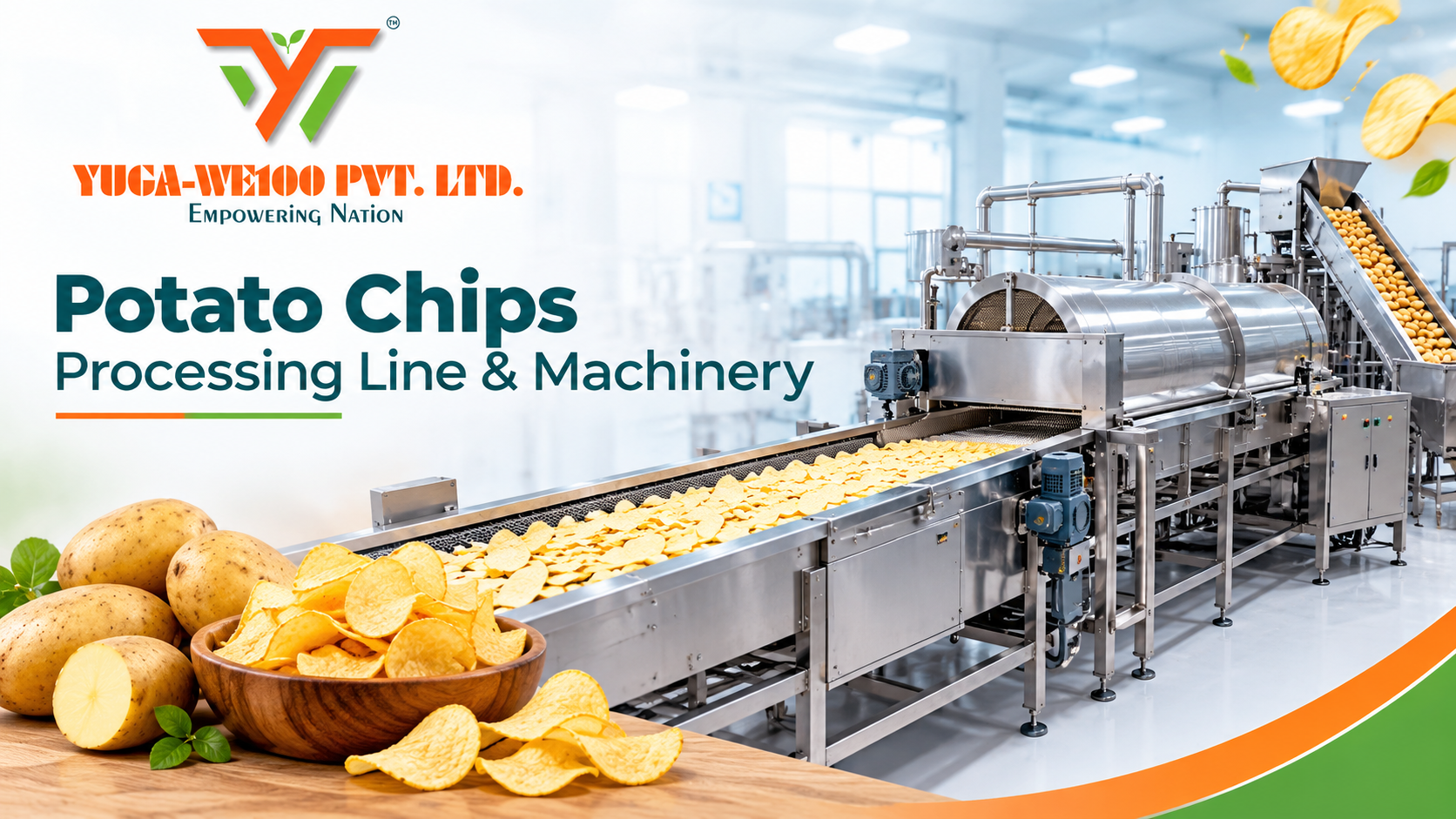
Potato Chips Processing Line: Complete Manufacturing Process & Machinery
Explore the complete potato chips production process, from raw potato preparation and slicing to frying, seasoning, cooling and automated packaging.
Potato chips are among the most popular savoury snacks, manufactured in a wide range of flavours, thicknesses and packaging formats. Commercial production requires carefully coordinated processing equipment to convert fresh potatoes into evenly sliced, crispy and flavourful chips.
A potato chips processing line combines potato washing, peeling, slicing, starch removal, frying, seasoning and packaging operations. Depending on the desired capacity and product specifications, manufacturers can use semi-automatic equipment or an integrated continuous production line.
Potato Chips Manufacturing Process
Potato chips manufacturing begins with selecting suitable potatoes. The potatoes are cleaned, peeled when required, inspected and sliced to the specified thickness. The slices are then rinsed to remove excess surface starch and prepared for thermal processing.
Depending on the product and process design, additional blanching or dewatering stages may be used. The prepared slices are fried under controlled conditions, de-oiled when appropriate, seasoned and cooled before packaging.
The exact sequence varies according to potato quality, chip specifications, production capacity and the equipment selected. Not every line requires a blanching stage.
Step-by-Step Potato Chips Production Process
Raw Potato Receiving
Receive suitable processing potatoes and assess their size, condition, defects and suitability for chip production.
Destoning and Washing
Remove stones, soil and other unwanted material using suitable separation and potato washing equipment.
Peeling and Inspection
Remove the skin where required and inspect the potatoes to identify defects before slicing.
Precision Slicing
Cut potatoes into consistent slices using an industrial slicer configured for the required thickness and shape.
Rinsing and Starch Removal
Wash the slices to remove excess surface starch and support more consistent processing.
Optional Blanching and Dewatering
Apply blanching when required by the product recipe, then remove surface water before frying.
Frying
Fry the slices in a suitable batch or continuous fryer under controlled conditions to achieve the desired crispness, colour and moisture level.
De-oiling and Seasoning
Remove excess surface oil where required and distribute salt or flavouring evenly using suitable seasoning equipment.
Cooling and Inspection
Cool the chips before packing and perform suitable quality checks on appearance, texture and foreign material.
Weighing and Packaging
Portion the chips accurately and pack them in suitable moisture- and oxygen-barrier packaging.
Machinery Required for a Potato Chips Processing Line
Equipment requirements depend on whether the plant produces traditional fried potato chips, kettle-style chips or another potato snack. A typical industrial line may include the following machines.
| Machine / System | Primary Function |
|---|---|
| Raw Potato Feeding System | Transfers potatoes into the processing line at a controlled rate. |
| Destoner and Washer | Removes stones, soil and surface contamination. |
| Potato Peeling Machine | Removes potato skin when the selected product requires peeling. |
| Inspection Conveyor | Allows visual inspection and removal of unsuitable material. |
| Potato Slicing Machine | Produces slices with the required thickness and shape. |
| Slice Washing System | Rinses sliced potatoes to reduce excess surface starch. |
| Blancher and Dewatering System | Provides optional blanching and removes surface water before frying. |
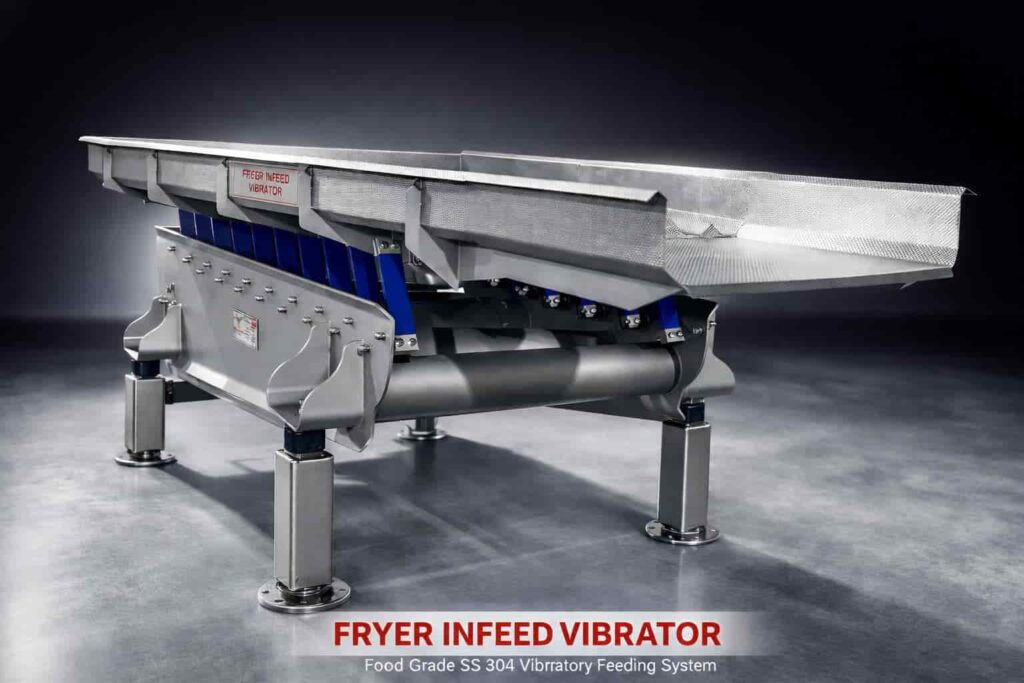
| Industrial Fryer | Processes potato slices to develop the desired colour and crispness. |
| Oil Removal System | Reduces excess surface oil where required by the process. |
| Seasoning Machine | Distributes salt and selected flavours over the finished chips. |
| Cooling Conveyor | Helps cool the product before inspection and packaging. |
| Weighing and Packaging System | Measures portions and packs chips for retail or bulk distribution. |
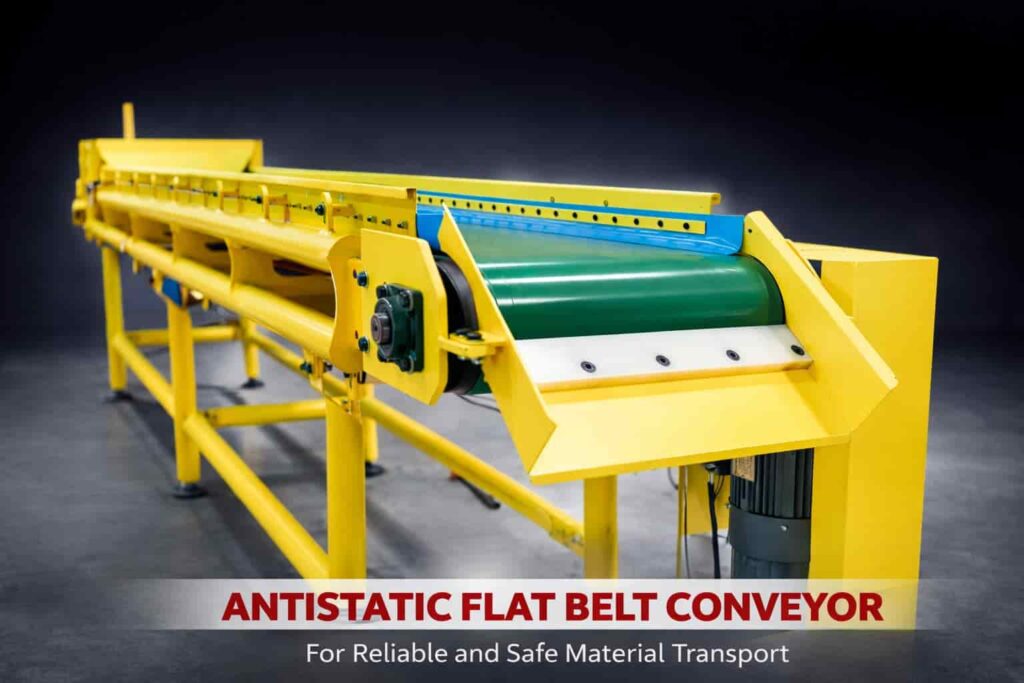
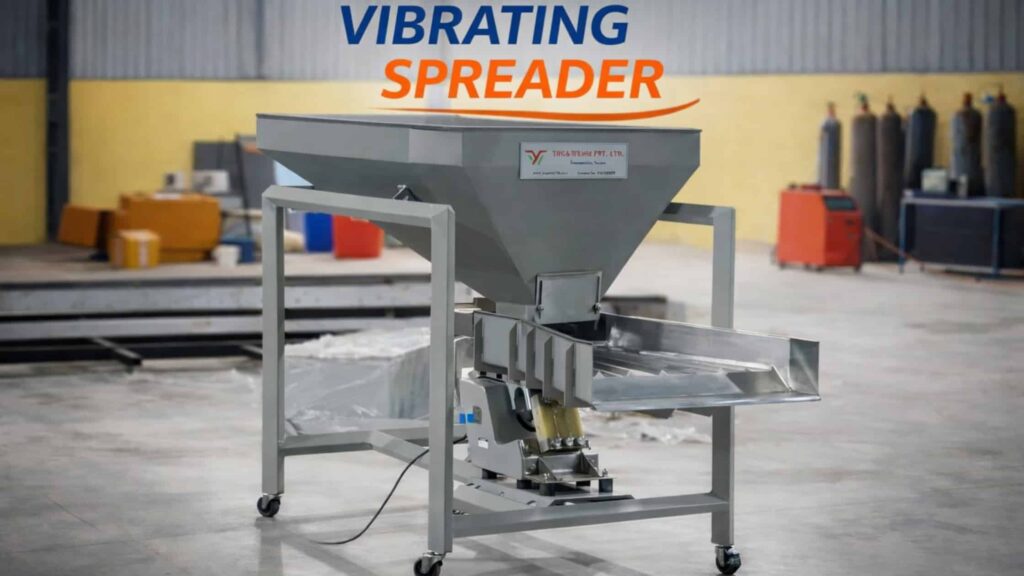
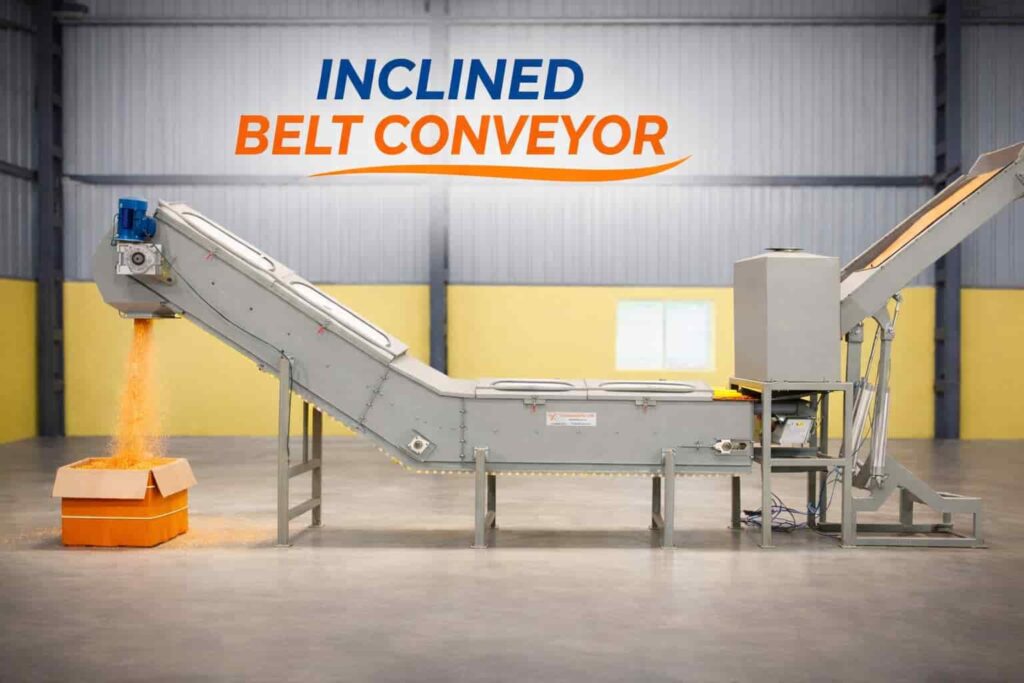
Conveyors, elevators and distribution systems can connect the individual stages. A properly designed layout helps coordinate throughput, reduce unnecessary handling and provide access for cleaning and maintenance.
Benefits of an Integrated Potato Chips Processing Line
How to Choose the Right Potato Chips Processing Equipment
1. Define Your Product Requirements
Decide on chip thickness, shape, flavour range, texture and frying method. These specifications influence the required processing equipment.
2. Determine Production Capacity
Establish the target output in kilograms per hour or tonnes per day. Ensure that preparation, frying, seasoning and packaging equipment are sized to work together.
3. Evaluate Potato Quality and Yield
Potato variety, dry matter, reducing sugar levels, size and defects can affect finished colour, texture, oil uptake and processing yield. Raw material selection is important.
4. Consider Automation and Material Handling
Evaluate feeding systems, conveyors, elevators, controls and transfer arrangements to create a practical production layout.
5. Plan for Hygiene and Maintenance
Assess food-contact materials, cleaning access, fryer safety, oil filtration, maintenance requirements and applicable food-safety standards.
6. Integrate Packaging Capacity
Select weighing and packaging equipment compatible with the product’s fragility, required pack sizes, packaging material and expected line output.
Frequently Asked Questions
1. What is a potato chips processing line?
It is a series of machines used to clean, prepare, slice, fry, season, cool and package potatoes as finished chips.
2. Which machines are required to make potato chips?
Typical equipment includes a washer, peeler, slicer, slice-washing system, dewatering equipment, fryer, seasoning machine, cooling conveyor and packaging system. The final configuration depends on the product.
3. Is blanching necessary for potato chips?
Not for every product. Blanching depends on the potato variety, desired colour, recipe and processing method. It should be validated for the intended product.
4. Why is uniform potato slicing important?
Consistent thickness helps slices process more uniformly and supports more consistent texture, colour and finished product quality.
5. Can a potato chips line include automatic packaging?
Yes. Compatible weighing, filling and sealing machinery can be integrated into the line, depending on the product and required packaging speed.
6. How do I select the production capacity?
Consider the required finished-product output, operating hours, raw potato yield, processing losses and packaging speed before choosing the capacity of each machine.
Planning a Potato Chips Production Line?
Explore Yuga-We100’s food-processing and material-handling solutions for your industrial production requirements. Discuss your target capacity and complete process layout to identify suitable equipment.
Explore Yuga-We100Note: The process sequence, machine configuration and production capacity depend on the potato variety, product specifications, process design and factory requirements.