Food Processing & Automation
Potato Chips Processing Line: Complete Manufacturing Guide
Discover how potatoes are transformed into crispy chips, explore the main stages of production, and understand how conveyors and material handling systems help move products efficiently through a processing plant.
Potato chips are a popular snack manufactured through a series of controlled processing stages. A well-planned potato chips processing line brings together raw-material handling, washing, slicing, frying, seasoning, cooling and packaging. The exact equipment configuration depends on the desired product, production capacity, plant layout and level of automation.
What Is a Potato Chips Processing Line?
A potato chips processing line is a group of machines arranged to convert raw potatoes into finished potato chips. Each machine performs a specific task, while conveyors and transfer systems move the product between processing stages.
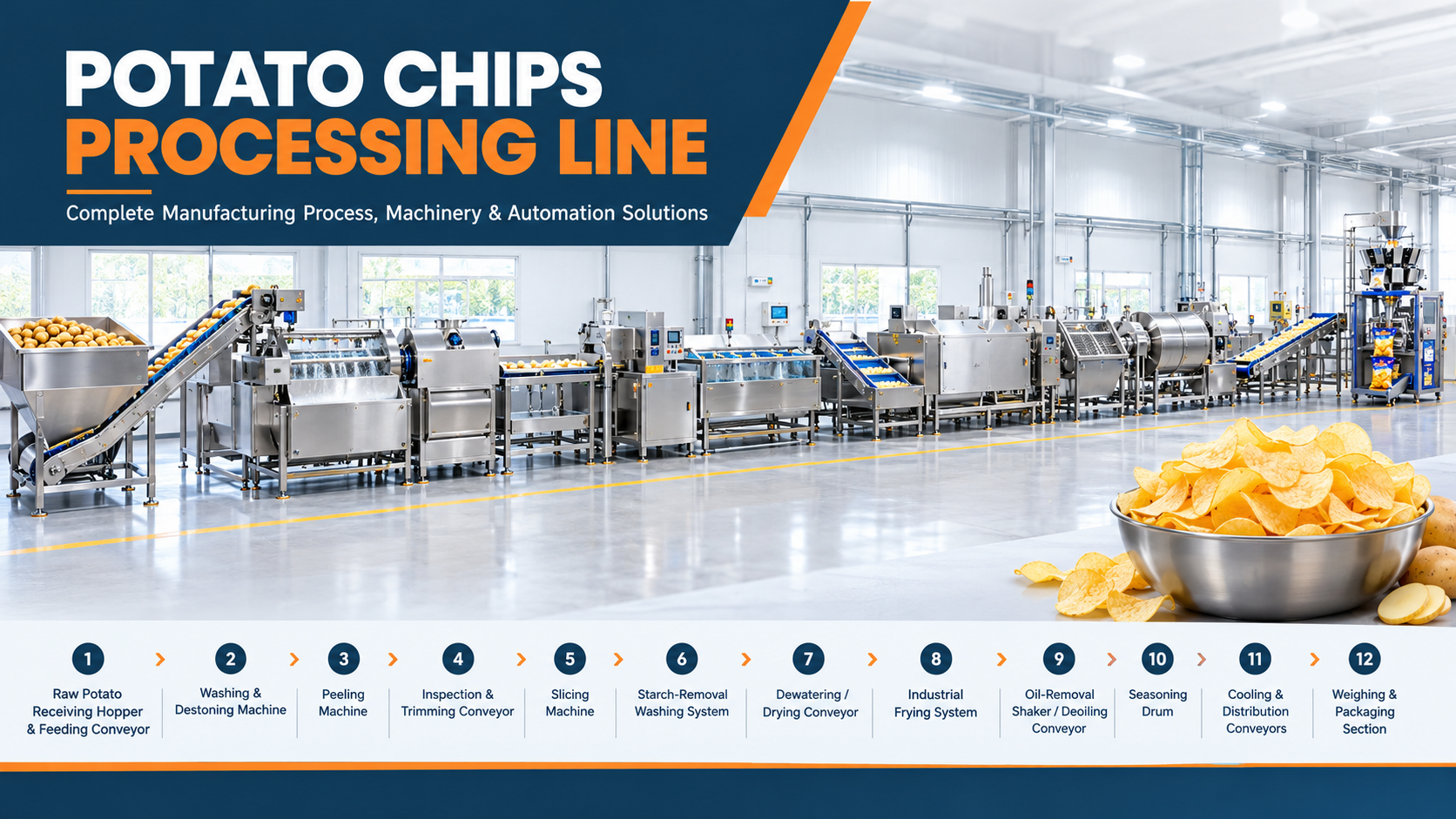
Depending on the product recipe, the line may include potato washing, peeling, inspection, slicing, starch removal, dewatering, frying, oil removal, seasoning, cooling and automated packing. Some plants use additional systems for water treatment, oil filtration, quality inspection and product distribution.
Potato Chips Manufacturing Process
The following is a typical production sequence for conventional fried potato chips. Individual plants may change or combine stages according to their production requirements.
Raw Potato Receiving and Feeding
Potatoes are received, checked and transferred to the processing area using suitable hoppers, bins and feeding conveyors. Removing unsuitable raw material early helps improve downstream consistency.
Washing and Destoning
Washing equipment removes soil and surface debris. Where required, destoning systems separate stones and other heavy contaminants before the potatoes reach sensitive machinery.
Peeling and Inspection
Potatoes may be peeled mechanically or by another suitable method. An inspection and trimming stage helps remove remaining defects, damaged sections and unsuitable potatoes.
Precision Slicing
A slicing machine cuts potatoes into thin, consistent slices. Slice thickness and shape affect texture, frying time, finished yield and appearance.
Slice Washing and Starch Removal
Slices may be washed to remove excess surface starch. The washing procedure should be designed around the product specification and the plant’s water-management practices.
Dewatering
Excess water is removed using suitable dewatering or drying equipment before frying. Managing surface moisture helps maintain process stability and reduces unnecessary water entering the fryer.
Frying
Potato slices pass through a controlled frying system. Temperature, residence time, oil condition and product thickness influence color, texture, moisture and quality.
Oil Removal
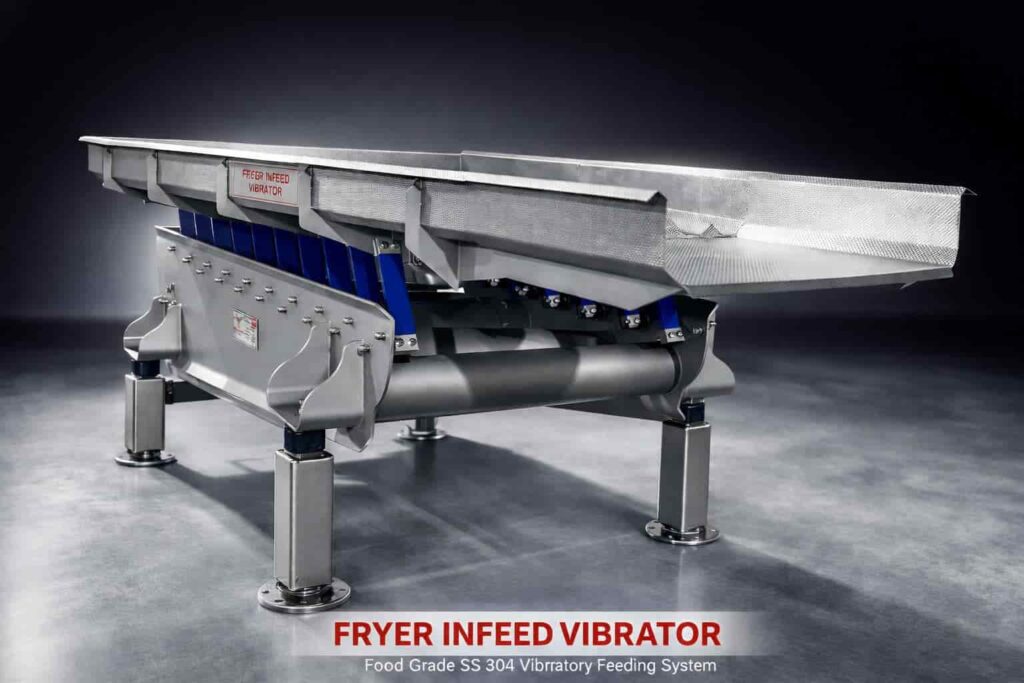
After frying, excess surface oil can be removed using appropriate vibrating or conveying equipment. The handling system should minimize breakage and preserve chip quality.
Seasoning
Chips may be transferred to a seasoning drum or another suitable applicator, where salt, spices or flavoring blends are distributed according to the recipe.
Cooling, Distribution and Inspection
Chips are cooled as required and conveyed to downstream inspection, weighing and packing systems. Gentle transfers help reduce product breakage.
Weighing and Packaging
Automated weighing and packaging equipment portions chips into the required pack sizes. Packaging materials and sealing conditions should protect the product from moisture and damage during storage and distribution.
Machines Used in a Potato Chips Manufacturing Plant
A production line may contain the following equipment. Not every plant needs every machine, and final specifications should be confirmed with the relevant equipment supplier.
| Machine or System | Primary Function |
|---|---|
| Receiving Hopper | Receives and feeds raw potatoes into the line. |
| Potato Washer / Destoner | Removes soil and separates suitable heavy contaminants. |
| Peeling Machine | Removes the potato skin using the selected peeling method. |
| Inspection Conveyor | Supports manual or automated inspection and trimming. |
| Potato Slicer | Cuts potatoes into the required slice thickness. |
| Slice Washer | Removes excess surface starch when required. |
| Dewatering System | Reduces surface moisture before frying. |
| Industrial Fryer | Fry-processes the slices under controlled conditions. |
| Vibratory Deoiling Conveyor | Helps remove excess surface oil and transfer chips. |
| Seasoning Drum | Applies seasoning to the finished chips. |
| Cooling and Distribution Conveyors | Move chips toward inspection, weighing and packaging. |
| Weighing and Packaging Machines | Portion and pack the finished product. |
Why Conveyors Matter in Potato Chips Production
A potato chips plant requires controlled product movement between stages. Correctly selected conveying and material-handling systems can help reduce unnecessary manual transfers, improve workflow and connect individual machines into a coordinated production line.
Common conveying applications
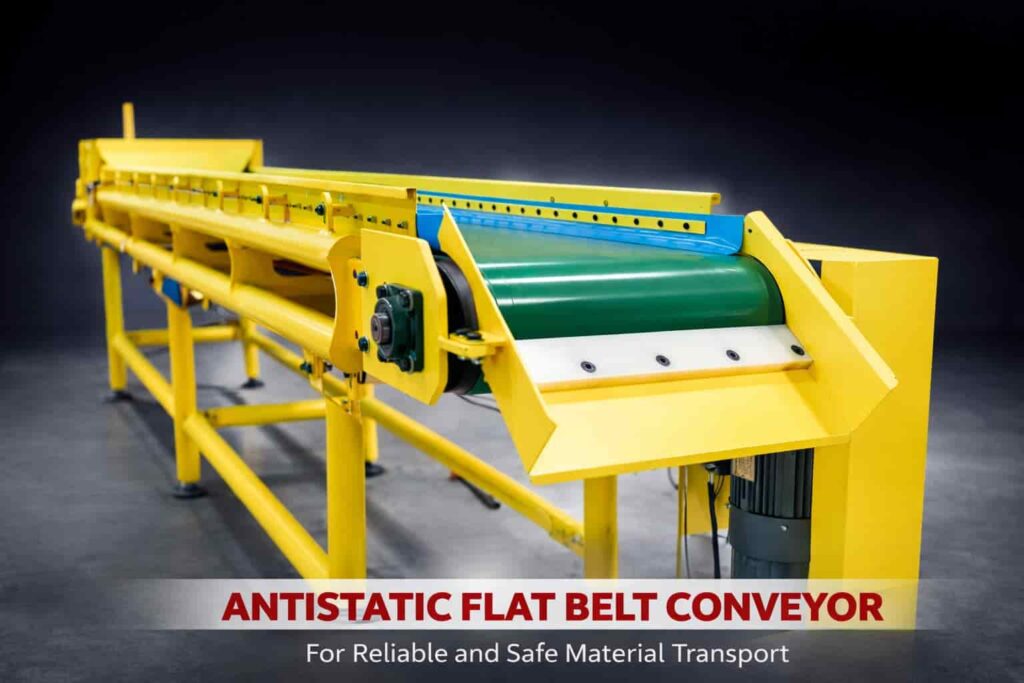
- Feeding conveyors: Move raw potatoes toward washing and preparation equipment.
- Inspection conveyors: Provide a suitable working surface for checking raw potatoes or slices.
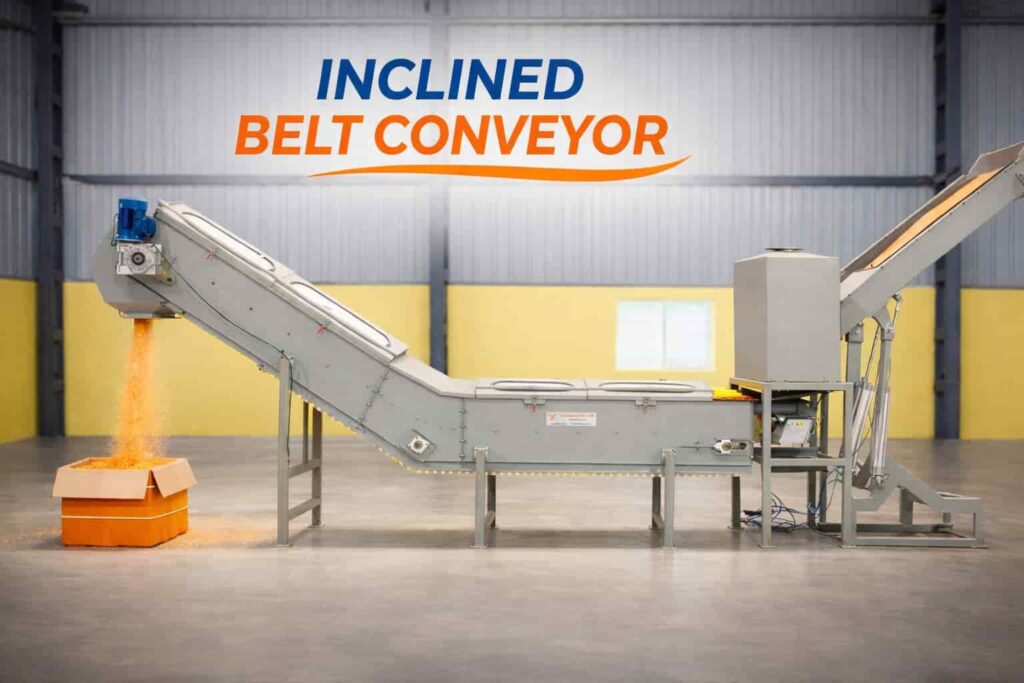
- Inclined belt conveyors: Transfer product between different machine heights where suitable for the product.
- Z-type conveyors: Elevate compatible products to hoppers, feeders or packaging equipment.
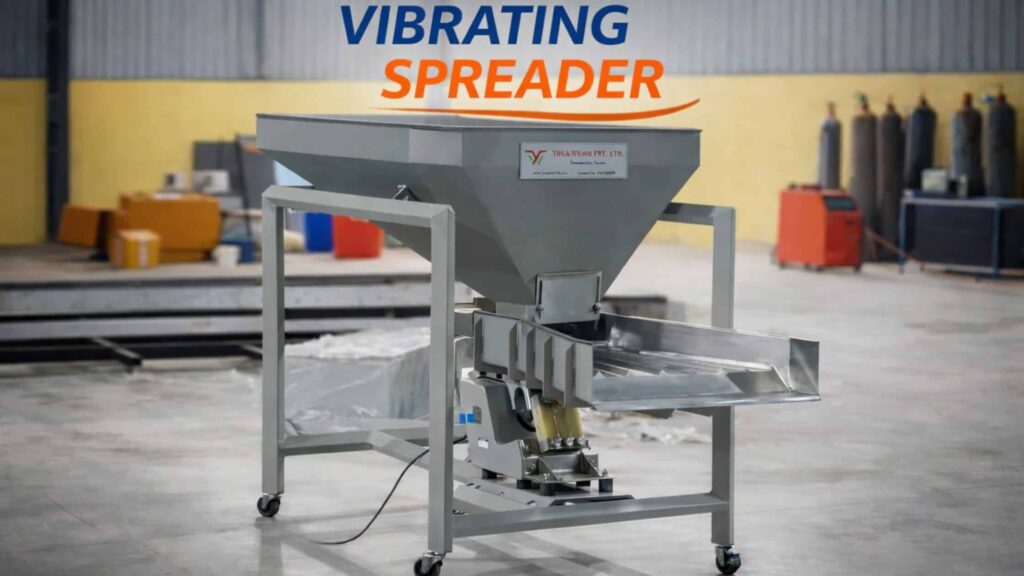
- Vibratory conveyors: Support controlled distribution, screening or transfer where the process requires it.
- Distribution systems: Feed product to multiple downstream packing lanes or weighing stations.
Conveyor selection depends on product fragility, temperature, moisture, required throughput, cleaning procedures and the factory layout. Equipment used near hot oil or wet processing areas must meet the relevant application and safety requirements.
Benefits of a Well-Designed Processing Line
- Consistent product flow: Properly coordinated equipment helps reduce bottlenecks between stages.
- Reduced manual handling: Suitable automation can limit repeated lifting and transfers.
- Improved process control: Appropriate controls help operators monitor key production parameters.
- Gentler product transfer: Suitable conveyors and drop heights can help reduce chip breakage.
- Better space planning: A planned layout can improve access for operation, cleaning and maintenance.
- Scalable production: Modular equipment and well-planned transfer points can make future upgrades easier.
Actual performance improvements depend on the equipment, operating practices, product specifications and maintenance program.
Factors to Consider When Planning a Potato Chips Plant
1. Production capacity
Define the required raw-potato input and finished-product output. Check that each machine and transfer point can handle the expected flow without creating a bottleneck.
2. Product specifications
Decide on slice thickness, chip style, seasoning options, target color, texture and packaging format before finalizing equipment.
3. Factory layout and utilities
Allow sufficient room for machines, operators, maintenance access, electrical connections, water supply, drainage and safe movement around the production area.
4. Hygiene and cleaning
Choose equipment designed for the actual food-contact application. Establish suitable cleaning, sanitation, inspection and preventive maintenance procedures.
5. Quality and process controls
Define procedures for raw-material inspection, oil management, frying parameters, seasoning consistency, finished-product inspection and packaging checks.
6. Equipment integration
Confirm transfer heights, conveyor widths, discharge points, control interfaces and production speeds with the suppliers of the connected machines before installation.
Quality Control in Potato Chips Manufacturing
Consistent chips require attention to raw-material quality and process conditions throughout production. Manufacturers should establish documented quality procedures appropriate to their products and applicable food-safety requirements.
- Inspect incoming potatoes for size, defects and suitability.
- Monitor slicing consistency and remove unsuitable slices.
- Control frying temperature and residence time according to the recipe.
- Monitor oil condition and follow a documented oil-management plan.
- Check chip color, crispness, seasoning distribution and breakage.
- Verify pack weight, seal integrity, coding and packaging condition.
- Maintain traceability, sanitation and preventive-maintenance records.
Material Handling for Food Processing Plants — Yuga-We100
Efficient material movement is an important part of a coordinated food-processing facility. Conveyors, elevators and distribution systems can help connect processing equipment and transfer products between production stages.
Yuga-We100 Pvt. Ltd. works in food-processing and material-handling machinery. For a potato chips project, discuss the required product, operating conditions, transfer points, throughput and factory layout with the company to identify suitable conveying or handling solutions.
The complete processing line may involve equipment from multiple specialized suppliers. Confirm the availability, food-contact suitability, specifications and integration requirements of each machine directly before finalizing a project.
Planning a Food Processing Production Line?
Explore Yuga-We100’s food-industry solutions and discuss your material-handling requirements with the team.
Explore Food Processing SolutionsVisit yugawe100.com for company information.
Potato Chips Processing Line FAQs
1. What is a potato chips processing line?
It is a coordinated arrangement of equipment that processes raw potatoes into finished chips through preparation, slicing, frying, seasoning, cooling and packaging.
2. Which machines are used to manufacture potato chips?
Common equipment includes receiving hoppers, washers, destoners, peelers, inspection conveyors, slicers, dewatering systems, fryers, deoiling equipment, seasoning drums, conveyors and packaging machines.
3. Why is a dewatering stage used before frying?
Dewatering reduces surface moisture on washed potato slices before frying. The suitable method depends on the process design and required product quality.
4. What is the role of conveyors in chips manufacturing?
Conveyors transfer potatoes, slices and finished chips between machines. Correct selection helps maintain product flow and reduce unnecessary manual handling.
5. How do I choose the right processing-line capacity?
Start with the required raw-material input and finished-product output, then check the capacity of each processing machine, conveyor, fryer and packaging system. Confirm the final design with the equipment suppliers.
6. Can a potato chips production line be automated?
Yes. Depending on the plant design, feeding, conveying, processing controls, seasoning, weighing and packaging can be automated to different levels.
7. Does Yuga-We100 provide the entire potato chips processing line?
Confirm the exact scope and availability of individual machines directly with Yuga-We100. The company focuses on food-processing and material-handling machinery, and a complete line may require integration with other specialized suppliers.
Note: This article provides general process information. Actual equipment configuration, operating parameters, capacity and food safety requirements depend on the product and plant design. Verify all technical specifications with qualified equipment suppliers.