Table of Contents
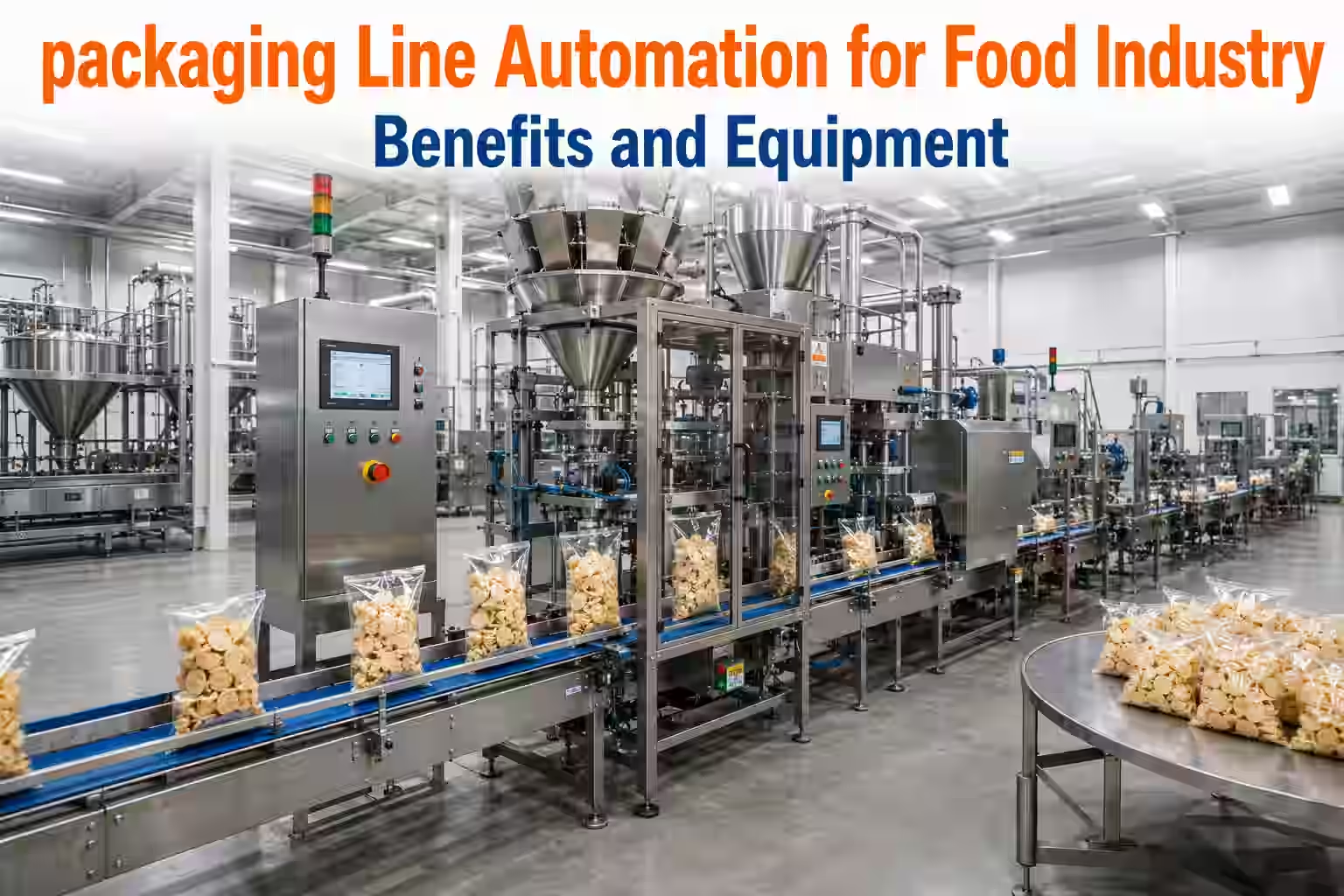
Modern Packaging Line Automation For Food Industry solutions have transformed the way food manufacturers package products. From snacks and bakery products to spices, dairy items, frozen foods, and ready-to-eat meals, automation ensures faster production, higher accuracy, and improved food safety. An Automated Packaging System minimizes manual intervention while maintaining consistent packaging quality, reducing labor costs, and increasing production capacity.
Packaging Line Automation for Food Industry is transforming modern food manufacturing by improving production speed, packaging accuracy, hygiene, and operational efficiency. Investing in Packaging Line Automation for Food Industry helps manufacturers reduce labor costs while maintaining consistent product quality.
As consumer demand continues to grow, food manufacturers are investing in fully automated packaging lines that integrate weighing, filling, sealing, labeling, coding, inspection, and palletizing into a single streamlined process. These systems not only improve operational efficiency but also help companies comply with stringent food safety regulations and quality standards.
What is Packaging Line Automation for Food Industry?
Packaging Line Automation for Food Industry refers to the use of advanced machinery, robotics, conveyors, sensors, and PLC-based control systems to automate the complete packaging process. Instead of relying on manual labor for filling, sealing, labeling, and packing, manufacturers use integrated machines that perform these operations continuously with high precision.
An Automated Packaging System is designed to handle products efficiently while reducing human error, increasing throughput, and maintaining hygiene throughout the packaging cycle. Automation also enables real-time monitoring of production, allowing manufacturers to optimize performance and reduce downtime.
Packaging automation can be implemented in both semi-automatic and fully automatic production lines depending on production requirements, product type, and available factory space.
Importance in Food Industry
Packaging is one of the most critical stages in food manufacturing because it directly impacts product quality, shelf life, and customer satisfaction. A modern Packaging Line Automation For Food Industry solution ensures that every package is filled accurately, sealed securely, and labeled correctly before reaching consumers.
The biggest advantage of Packaging Line Automation For Food Industry systems is their ability to automate weighing, filling, sealing, labeling, coding, and inspection in one integrated production line.
The primary objective of Packaging Line Automation for Food Industry is to increase production efficiency while ensuring food safety, packaging consistency, and reduced operational costs.
- Improves production efficiency
- Maintains consistent packaging quality
- Reduces manual labor requirements
- Enhances food hygiene and safety
- Minimizes product wastage
- Supports continuous production
- Ensures accurate weighing and filling
- Reduces packaging errors
- Complies with food safety regulations
- Increases overall profitability
Food manufacturers operating high-capacity production plants rely on packaging automation to meet increasing market demand while maintaining strict quality standards. Automation also enables businesses to scale production without significantly increasing workforce requirements.
Key Equipment Used in Packaging Line Automation
A complete Automated Packaging System consists of multiple interconnected machines that work together to package food products efficiently. The exact configuration depends on the product being packaged, production speed, and packaging format.
| Equipment | Function |
|---|---|
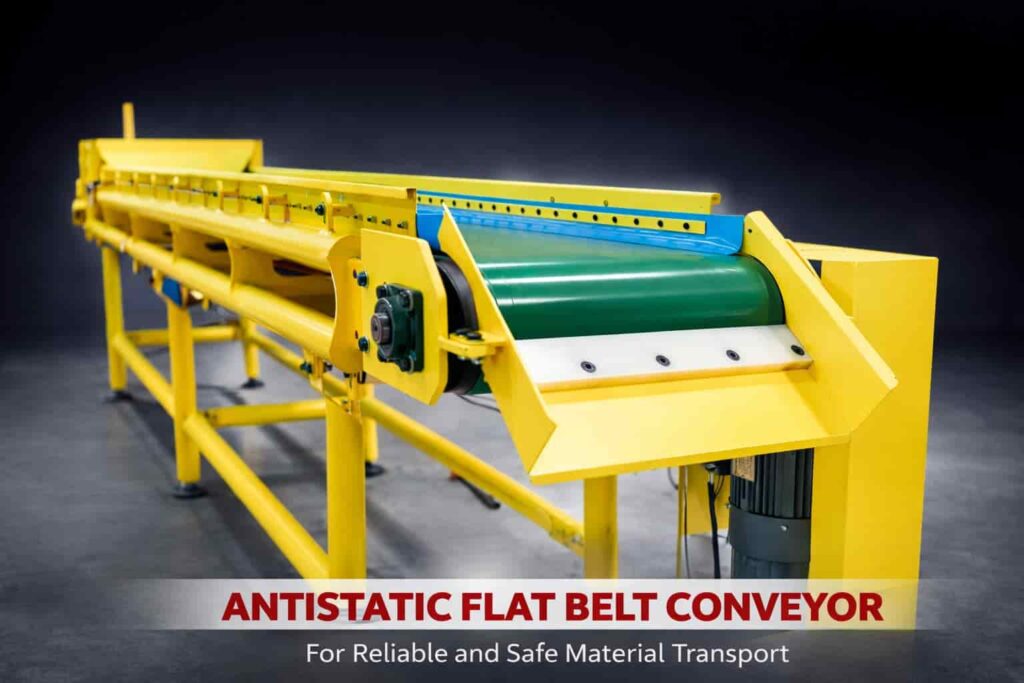
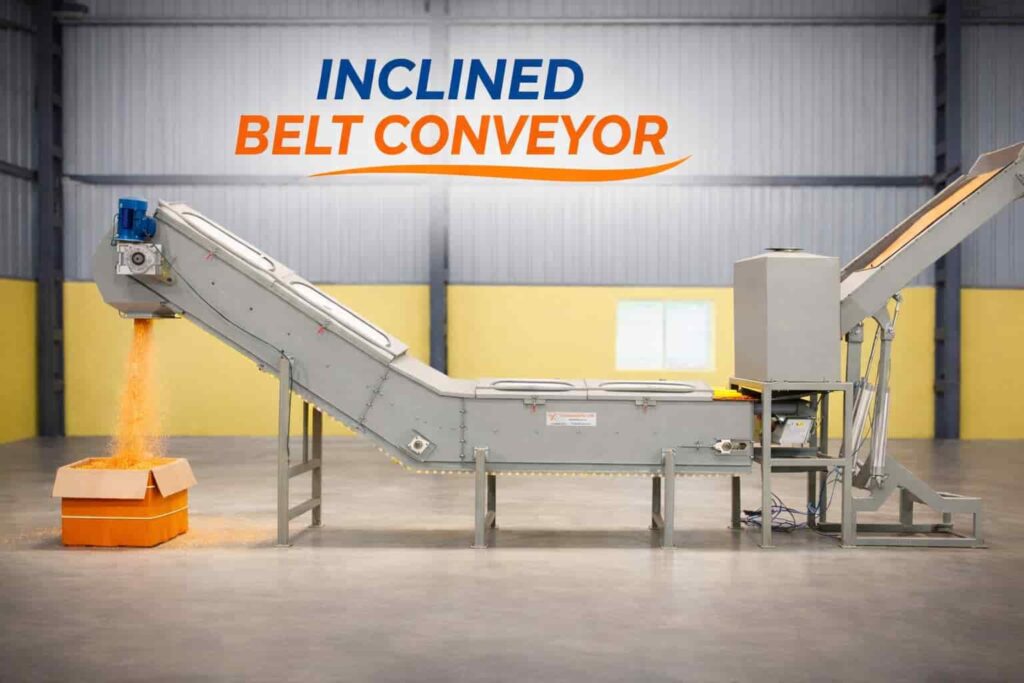
| Product Conveyor | Transfers products between machines |
| Multihead Weigher | Accurate weighing of food products |
| Vertical Form Fill Seal Machine | Forms, fills, and seals pouches automatically |
| Auger Filling Machine | Fills powders and fine products |
| Liquid Filling Machine | Packages liquid food products |
| Tray Sealing Machine | Seals trays for ready-to-eat foods |
| Vacuum Packaging Machine | Extends shelf life by removing air |
| Labeling Machine | Applies labels automatically |
| Inkjet Coding Machine | Prints batch number and expiry date |
| Check Weigher | Verifies product weight accuracy |
| Metal Detector | Detects metal contamination |
| Case Packing Machine | Packs finished products into cartons |
| Palletizer | Stacks cartons on pallets |
How an Automated Packaging System Works
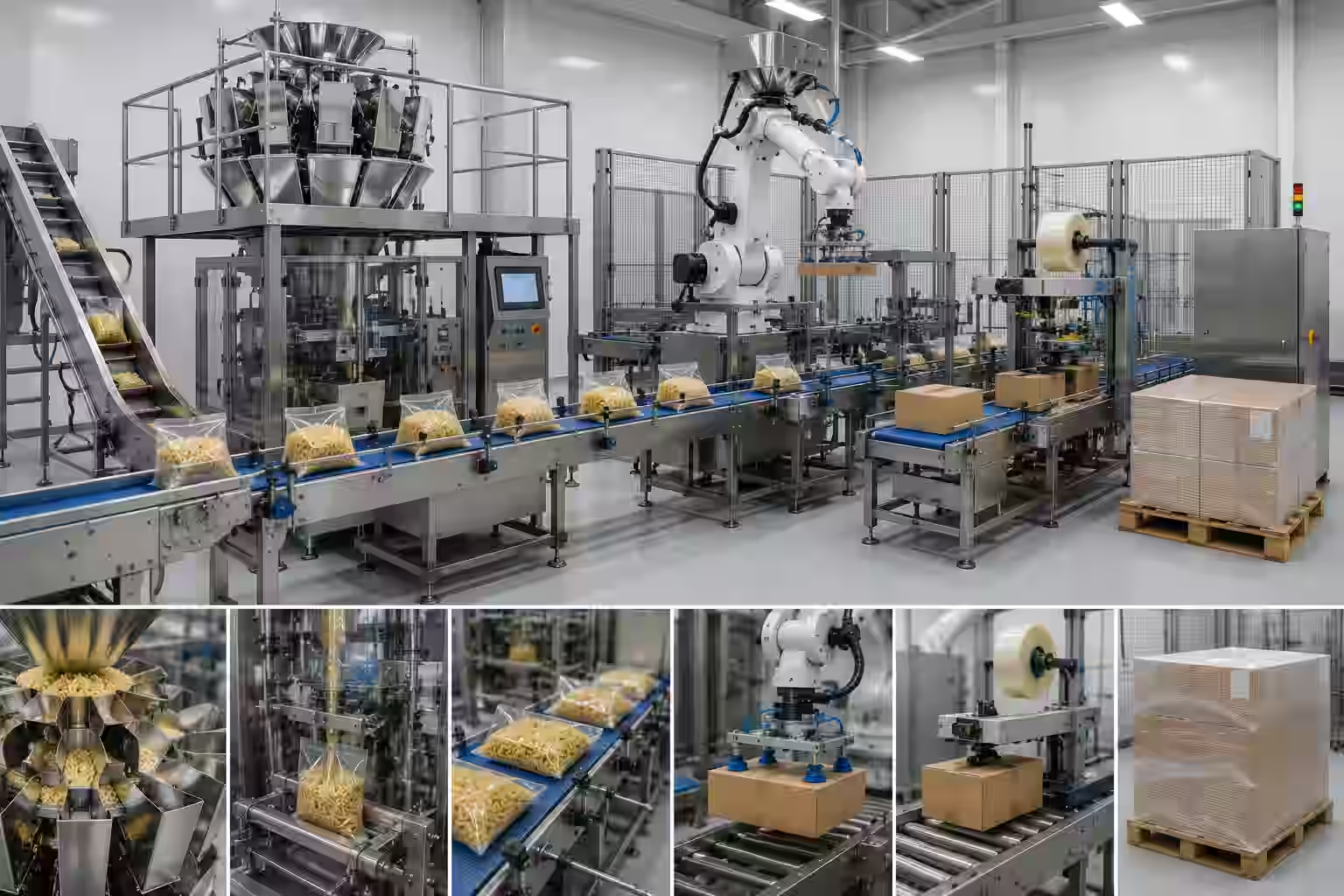
A modern Packaging Line Automation Food Industry solution follows a synchronized workflow where every machine communicates with the next through automated controls. Products move continuously from processing to packaging without unnecessary manual handling.
The production process begins with products arriving from the manufacturing line through food-grade conveyors. Depending on the product type, automatic weighing systems accurately measure the required quantity before transferring it to the filling machine.
The Automated Packaging System then fills pouches, bottles, trays, jars, or cartons with precise quantities. After filling, the packages are sealed using heat sealing, vacuum sealing, or tray sealing technology to preserve freshness and extend shelf life.
Once sealed, products move through automatic labeling and inkjet coding machines where product information, manufacturing date, expiry date, and batch numbers are printed. Quality inspection equipment such as check weighers, vision systems, and metal detectors ensures every package meets production standards before dispatch.
Finally, finished products are automatically packed into cartons, stacked using robotic palletizers, and prepared for storage or transportation. This fully integrated process significantly improves production efficiency while maintaining high hygiene standards and consistent packaging quality.
Types of Packaging Line Automation
Food manufacturers choose different levels of automation depending on production volume, product characteristics, and investment budget. Each type of Automated Packaging System offers unique advantages for specific applications.
| Automation Type | Suitable For |
|---|---|
| Semi-Automatic Packaging Line | Small and medium-scale production |
| Fully Automatic Packaging Line | High-volume food manufacturing |
| Robotic Packaging Line | Flexible and high-speed operations |
| Integrated Smart Packaging Line | Industry 4.0-enabled production facilities |
Key Features of an Automated Packaging System
- PLC and touchscreen control systems
- High-speed packaging operations
- Accurate weighing and filling
- Automatic product inspection
- Servo-driven motion control
- Food-grade stainless steel construction
- Easy integration with production lines
- Low maintenance requirements
- Energy-efficient operation
- Real-time production monitoring
- Quick product changeover
- Support for multiple package formats
Benefits of Packaging Line Automation
Implementing Packaging Line Automation Food Industry solutions provides significant advantages for food manufacturers. A modern Automated Packaging System not only increases production capacity but also improves product quality, reduces operational costs, and ensures compliance with food safety standards.
- Higher production output with continuous operation
- Consistent packaging quality and appearance
- Reduced labor costs through automation
- Improved product hygiene and food safety
- Accurate weighing and filling of products
- Lower product and packaging material wastage
- Faster order fulfillment
- Reduced machine downtime
- Enhanced traceability using automatic coding systems
- Better inventory management
- Longer product shelf life through reliable sealing
- Higher customer satisfaction
For manufacturers producing thousands of packages every hour, automation eliminates bottlenecks and ensures uninterrupted production. The integration of conveyors, filling systems, sealing machines, labeling equipment, and inspection systems enables a seamless workflow from processing to dispatch.
Applications of Packaging Line Automation
A Packaging Line Automation Food Industry solution can be customized for various food products and packaging formats. Automated systems are widely used across multiple food processing sectors.
- Potato Chips Manufacturing
- Namkeen Production Plants
- Bakery Products Packaging
- Biscuits and Cookies
- Rice and Grain Packaging
- Flour Packaging
- Sugar Packaging
- Spice Powder Packaging
- Milk Powder Packaging
- Instant Beverage Powder
- Frozen Food Packaging
- Ready-to-Eat Meal Packaging
- Dry Fruits and Nuts
- Pulses and Lentils
- Pet Food Packaging
- Protein Powder Packaging
- Tea and Coffee Packaging
- Confectionery Packaging
Complete Packaging Line Process Flow
An Automated Packaging System performs multiple packaging operations in a synchronized sequence. Every machine communicates through PLC-based controls to ensure continuous production and accurate packaging.
| Production Stage | Operation |
|---|---|
| Product Feeding | Products arrive through conveyor systems |
| Weighing | Automatic multihead or linear weighing |
| Filling | Products filled into pouches, bottles or trays |
| Sealing | Heat sealing or vacuum sealing |
| Coding | Batch number and expiry printing |
| Labeling | Automatic label application |
| Inspection | Metal detection and weight verification |
| Case Packing | Products packed into cartons |
| Palletizing | Automatic pallet stacking |
| Dispatch | Ready for warehouse and transportation |
Food Safety and Quality Standards
Every Packaging Line Automation Food Industry solution should comply with international food safety requirements. Hygienic machine design and contamination-free packaging help manufacturers meet strict quality standards.
- Food-grade SS304 and SS316 stainless steel construction
- HACCP-compliant production systems
- Easy-to-clean machine surfaces
- Dust-free and contamination-free operation
- Automatic quality inspection systems
- Accurate batch traceability
- Compliance with GMP guidelines
- Reduced human contact with food products
Buying Guide for an Automated Packaging System
Choosing the right Automated Packaging System depends on production capacity, packaging type, product characteristics, and future expansion plans. Investing in the correct equipment ensures maximum return on investment and long-term operational efficiency.
| Selection Factor | Recommendation |
|---|---|
| Production Capacity | Select equipment based on hourly output |
| Product Type | Solid, powder, liquid or semi-liquid foods |
| Packaging Format | Pouch, bottle, jar, tray or carton |
| Automation Level | Semi-automatic or fully automatic |
| Machine Speed | Compatible with production line capacity |
| Material Quality | Food-grade stainless steel construction |
| Maintenance | Easy access for cleaning and servicing |
| Future Expansion | Choose scalable automation solutions |
Maintenance Tips for Packaging Automation Equipment
Regular preventive maintenance keeps an Automated Packaging System operating efficiently while reducing downtime and extending machine life.
- Clean conveyors and product contact parts daily.
- Inspect sealing jaws and replace worn components.
- Lubricate moving mechanical parts as recommended.
- Calibrate weighing systems regularly.
- Check sensors and safety switches.
- Inspect pneumatic and electrical connections.
- Replace damaged conveyor belts immediately.
- Verify printer and coding system accuracy.
- Schedule preventive maintenance at fixed intervals.
- Train operators for proper machine handling.
Related Food Processing Solutions
Vertical Form Fill Seal MachineMultihead WeigherCheck WeigherMetal DetectorFood Processing Automation SystemFood Conveyor SystemWhy Choose Yuga-We100?
Yuga-We100 specializes in designing and manufacturing advanced Packaging Line Automation Food Industry solutions for food manufacturers across various industries. Our customized Automated Packaging System solutions are engineered to maximize production efficiency, improve packaging quality, and reduce operational costs while maintaining the highest hygiene standards.
Yuga-We100 designs customized Packaging Line Automation Food Industry solutions that integrate advanced automation technologies for modern food processing plants.
- Customized packaging line solutions
- Complete turnkey automation projects
- Food-grade machine construction
- High-speed production capabilities
- Energy-efficient equipment
- PLC-based intelligent automation
- Reliable after-sales technical support
- Easy integration with existing production lines
- Low maintenance and long service life
- Trusted by food manufacturers worldwide
Upgrade Your Food Packaging Line with Smart Automation
Looking for a reliable Packaging Line Automation Food Industry solution? Yuga-We100 designs and manufactures customized Automated Packaging System solutions that improve production efficiency, reduce labor costs, and deliver consistent packaging quality for modern food processing plants.
Get Free ConsultationInvesting in Packaging Line Automation Food Industry is one of the most effective ways for food manufacturers to improve productivity, product quality, and profitability. An advanced Automated Packaging System integrates weighing, filling, sealing, labeling, coding, inspection, and case packing into a seamless production workflow. This automation reduces manual intervention, minimizes product wastage, enhances food safety, and ensures consistent packaging quality.
Whether you manufacture snacks, spices, dairy products, frozen foods, bakery products, or ready-to-eat meals, a well-designed automated packaging line can significantly increase production capacity while lowering operating costs. Choosing the right automation partner ensures long-term reliability, easy maintenance, and scalable solutions that grow with your business.
Industry Resources
Learn more about global food safety standards from U.S. Food & Drug Administration (FDA) .
Read packaging and food processing guidelines from PMMI – The Association for Packaging and Processing Technologies .
Explore international food safety management standards from ISO 22000 Food Safety Management .
Learn about smart manufacturing and Industry 4.0 from IBM Industry 4.0 .
Frequently Asked Questions
1. What is Packaging Line Automation?
Packaging Line Automation uses interconnected machines to automatically perform weighing, filling, sealing, labeling, coding, inspection, and packing with minimal manual intervention.
2. What is an Automated Packaging System?
An Automated Packaging System is an integrated production line that automates the complete packaging process, improving speed, accuracy, hygiene, and product consistency.
3. Which food products can be packaged using automated systems?
These systems are suitable for snacks, namkeen, potato chips, bakery products, flour, rice, sugar, spices, milk powder, frozen foods, dry fruits, pulses, pet food, tea, coffee, and ready-to-eat meals.
4. What are the benefits of packaging automation?
Packaging automation increases production speed, reduces labor costs, improves packaging accuracy, minimizes wastage, enhances food safety, and delivers consistent product quality.
5. Can an automated packaging line be customized?
Yes. Packaging lines can be designed according to production capacity, product type, package format, available factory space, and future expansion requirements.
6. Which industries use Packaging Line Automation?
Food processing, dairy, bakery, beverage, confectionery, snack manufacturing, spice processing, frozen food, nutraceutical, and pet food industries commonly use automated packaging systems.
7. What materials are used to manufacture food packaging equipment?
Most food-grade packaging machines are manufactured using SS304 or SS316 stainless steel to ensure hygiene, corrosion resistance, and compliance with food safety standards.
8. How does Packaging Line Automation improve food safety?
Automation minimizes direct human contact with food products, provides accurate filling and sealing, integrates inspection systems, and helps manufacturers comply with HACCP and GMP requirements.