Table of Contents
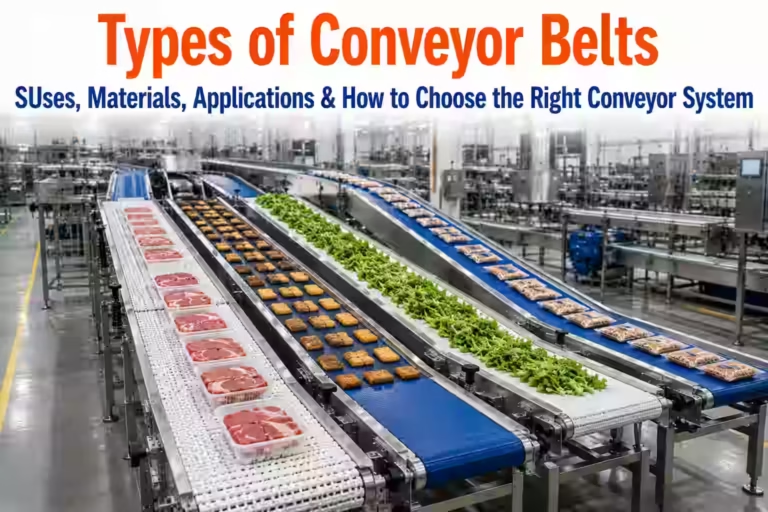
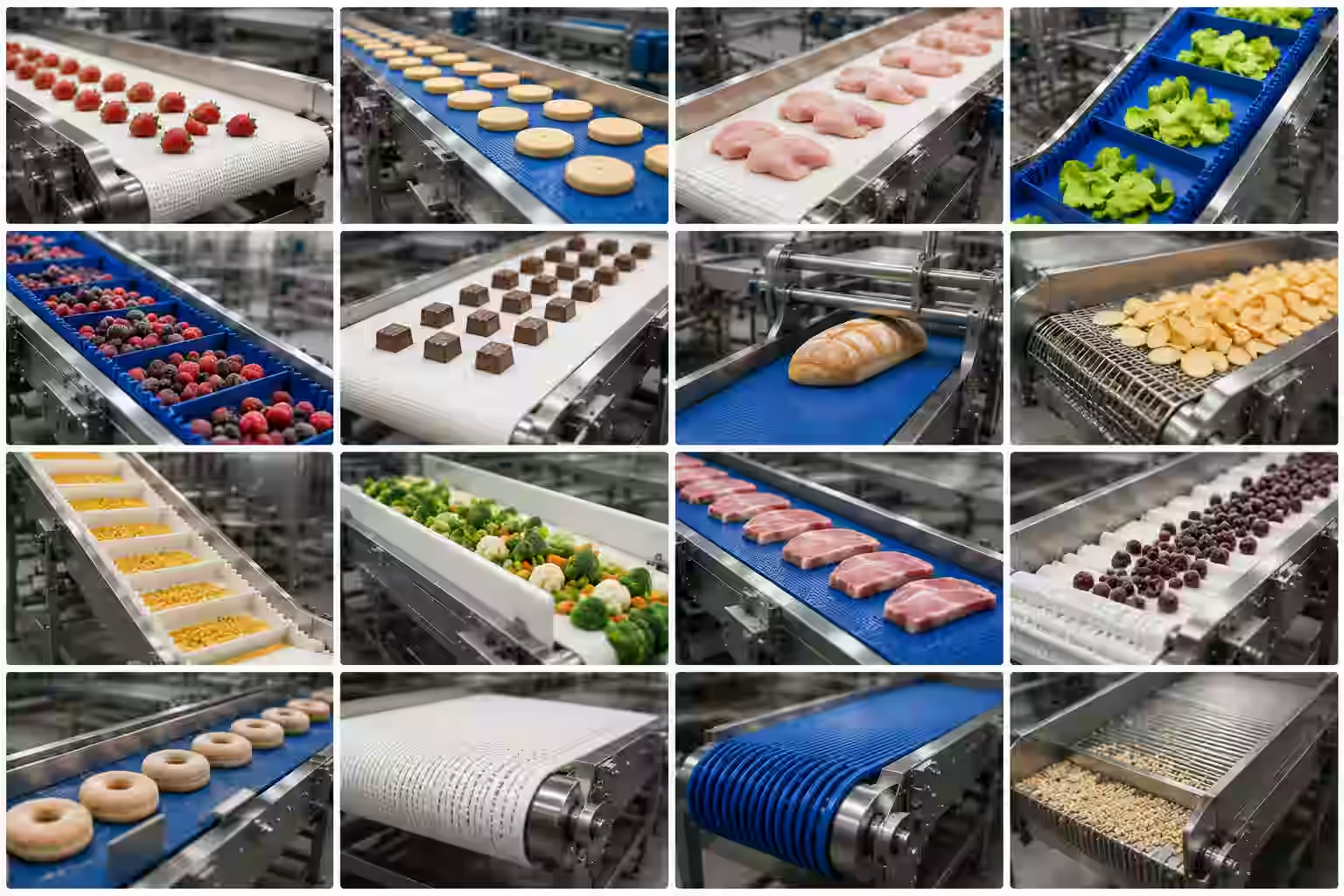
Modern food manufacturing relies heavily on an efficient food processing conveyor belt to transport raw materials, semi-finished products, and packaged goods safely throughout the production process. From washing vegetables and transporting potato slices to packaging biscuits and frozen foods, conveyor systems play a vital role in improving production speed, maintaining hygiene, and reducing manual handling.
Selecting the right food grade conveyor belt is essential for maintaining food safety standards while ensuring continuous production. Unlike ordinary conveyors, food-grade conveyor belts are manufactured using FDA-approved or food-safe materials that resist oil, moisture, bacteria, and chemicals. They help manufacturers comply with HACCP, GMP, and FSSAI guidelines while minimizing contamination risks.
Today’s automated food factories also depend on advanced stainless steel conveyor system solutions because stainless steel offers excellent corrosion resistance, easy cleaning, and long operational life. Whether you’re processing snacks, dairy products, bakery items, frozen foods, fruits, vegetables, spices, or ready-to-eat meals, the right conveyor system for food industry significantly improves efficiency and product quality.
What is a Food Processing Conveyor Belt?
A food processing conveyor belt is a specialized material handling system designed specifically for transporting food products safely and hygienically throughout different stages of food production. These conveyors are manufactured using food-safe materials and are engineered to withstand continuous washing, cleaning, moisture, oils, and temperature variations without affecting food quality.
Unlike conventional industrial conveyors, a food grade conveyor belt prevents contamination while ensuring smooth product movement. It reduces manual handling, improves worker safety, and supports automated production lines by integrating seamlessly with grading machines, seasoning systems, metal detectors, packaging equipment, and robotic automation.
Main Functions of Food Conveyor Systems
- Transport raw food materials safely
- Maintain hygienic food handling
- Reduce manual labor
- Increase production speed
- Improve workplace safety
- Minimize product damage
- Support automated food processing
- Reduce contamination risks
- Ensure continuous production flow
- Improve operational efficiency
Why Conveyor Systems are Important in Food Processing
Every modern conveyor system for food industry is designed to maximize production efficiency while maintaining strict hygiene standards. Conveyor systems transport products quickly between washing, peeling, slicing, frying, seasoning, cooling, inspection, packaging, and storage operations with minimal human contact.
A properly designed stainless steel conveyor system improves sanitation because stainless steel surfaces resist corrosion and are easy to clean. Combined with a premium food grade conveyor belt, manufacturers can achieve higher productivity while complying with international food safety regulations.
| Without Food Conveyor | With Food Processing Conveyor Belt |
|---|---|
| High manual labor | Automated product transportation |
| Slow production | Continuous high-speed production |
| Higher contamination risk | Improved hygiene and food safety |
| Inconsistent workflow | Smooth product movement |
| Higher operating costs | Reduced labor and maintenance costs |
| More product damage | Gentle product handling |
In the next section, we’ll explore the different types of food processing conveyor belt systems used across the food industry, their applications, key advantages, and how to choose the ideal food grade conveyor belt and stainless steel conveyor system for your production facility.
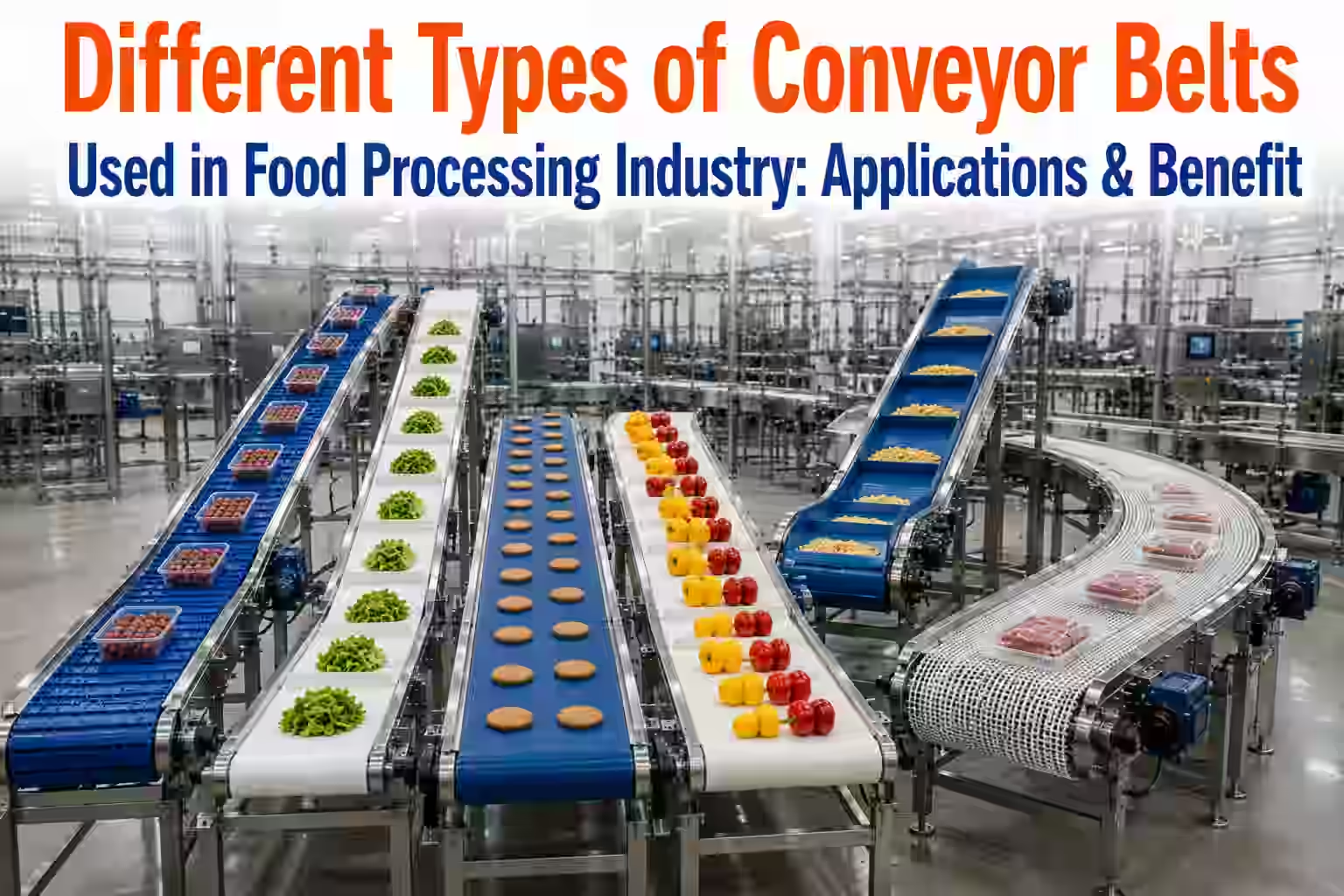
Different Types of Conveyor Belts Used in Food Processing Industry
Choosing the right food processing conveyor belt is essential for achieving maximum productivity, maintaining food hygiene, and reducing operational costs. Every production line has different material handling requirements, which is why manufacturers use different types of conveyor systems. A high-quality food grade conveyor belt combined with a durable stainless steel conveyor system ensures reliable performance, easy cleaning, and compliance with food safety standards.
Below are the most commonly used conveyor belts in a modern conveyor system for food industry.
| Conveyor Type | Best Applications |
|---|---|
| Flat Belt Conveyor | General food transportation |
| PU Food Grade Conveyor Belt | Direct food contact |
| Modular Plastic Conveyor | Wet processing areas |
| Homogeneous Belt Conveyor | High hygiene production |
| Stainless Steel Mesh Conveyor | Baking & Cooling |
| Inclined Belt Conveyor | Vertical transportation |
| Z-Type Conveyor | Snacks & Potato Chips |
| Wire Mesh Conveyor | Drying & Frying |
1. Flat Belt Conveyor
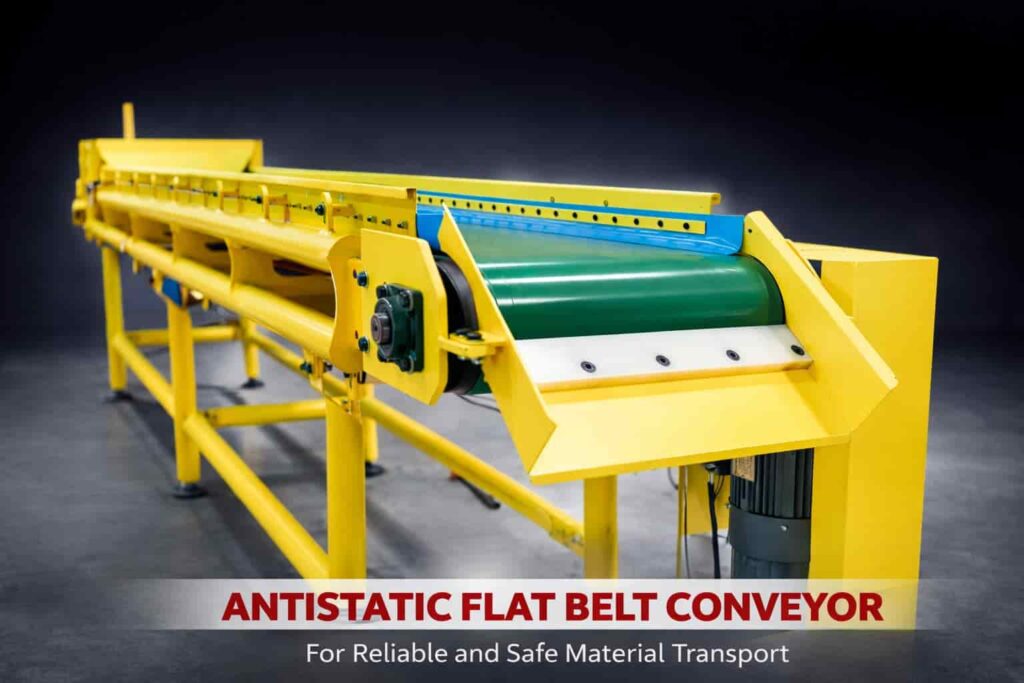
A Flat Belt Conveyor is the most widely used food processing conveyor belt because of its simple design, smooth product movement, and versatility. It is suitable for transporting packaged foods, bakery items, fruits, vegetables, snacks, dairy products, and finished goods between different production stages.
Advantages
- Smooth transportation
- Low maintenance
- Energy efficient
- Suitable for continuous production
- Easy installation
2. PU Food Grade Conveyor Belt
The food grade conveyor belt manufactured using polyurethane (PU) is specially designed for direct food contact. It is resistant to oil, grease, moisture, and bacterial growth, making it one of the safest choices for modern food processing facilities.
- FDA-approved material
- Excellent hygiene
- Easy cleaning
- Oil resistant
- Long service life
3. Modular Plastic Conveyor Belt
Modular Plastic Conveyor Belts consist of interlocking plastic modules that are highly durable and easy to replace. They are ideal for wet processing operations because damaged sections can be replaced individually without changing the complete belt.
- Easy maintenance
- Excellent drainage
- Corrosion resistant
- Food-safe construction
- Long operating life
4. Homogeneous Belt Conveyor
A Homogeneous Conveyor Belt is manufactured from a single piece of food-safe material without fabric layers. It provides maximum hygiene and eliminates bacterial growth inside the belt, making it perfect for dairy, meat, seafood, and ready-to-eat food production.
5. Stainless Steel Mesh Conveyor
A stainless steel conveyor system equipped with mesh belts is commonly used in baking, cooling, freezing, frying, washing, and drying applications. Stainless steel construction provides excellent corrosion resistance while allowing proper airflow around food products.
- High temperature resistance
- Easy sanitation
- Excellent airflow
- Corrosion resistant
- Heavy-duty construction
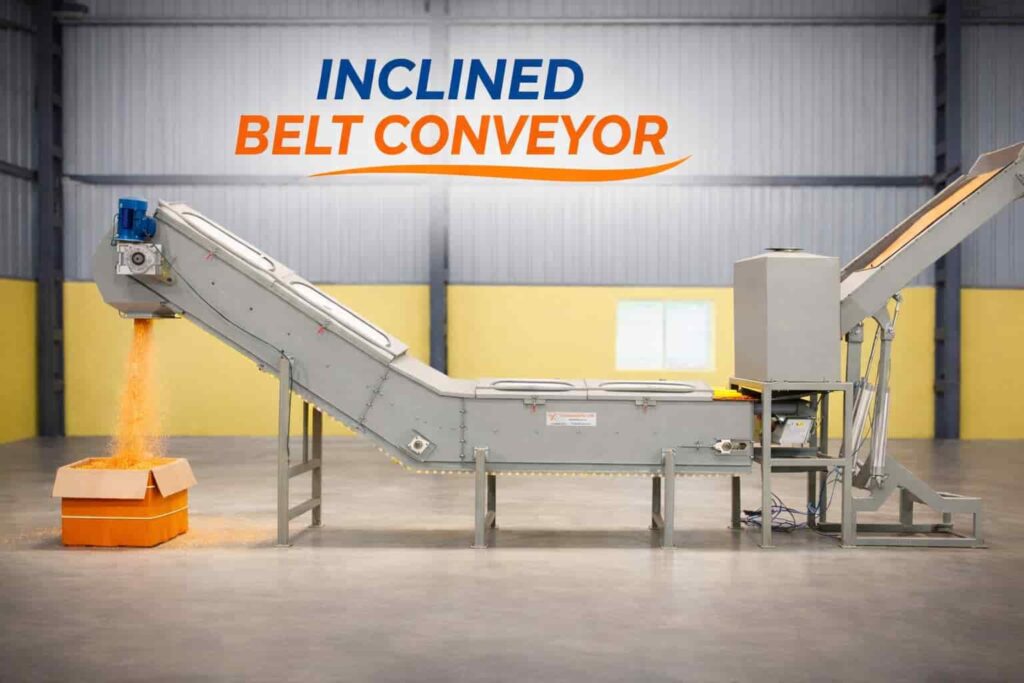
6. Inclined Belt Conveyor
Inclined Belt Conveyors transport food products safely between different elevations. They are widely installed in potato chips plants, namkeen manufacturing, frozen food processing, vegetable handling, and packaging lines.
- Space-saving design
- Continuous conveying
- Ideal for automated production
- Available with cleated belts
- Suitable for bulk food handling
The next section covers Z-Type Conveyor, Wire Mesh Conveyor, industry applications, conveyor belt materials, stainless steel conveyor advantages, and a detailed comparison table for selecting the best food processing conveyor belt.
7. Z-Type Conveyor
A Z-Type Conveyor is one of the most popular solutions in a modern food processing conveyor belt system. It is specially designed to lift food products vertically while minimizing product breakage. This conveyor is widely used in potato chips plants, namkeen manufacturing, frozen food processing, snack production, dry fruits, pulses, and bakery industries. A properly designed conveyor system for food industry using Z-Type conveyors saves valuable floor space while improving automation.
Advantages
- Vertical conveying without product damage
- Food-grade bucket design
- Space-saving installation
- Ideal for continuous production
- Easy integration with packaging machines
8. Wire Mesh Conveyor
Wire Mesh Conveyors are commonly used where continuous airflow or high-temperature processing is required. These conveyors are installed in baking ovens, cooling tunnels, drying systems, frying lines, and freezing plants. Combined with a stainless steel conveyor system, they offer excellent durability, hygiene, and easy maintenance.
- Excellent airflow
- Heat resistant
- Ideal for baking and cooling
- Easy cleaning
- Long operating life
Related Conveyor Solutions
Horizontal Flat Belt ConveyorInclined Belt ConveyorHomogeneous Inclined Belt ConveyorDistribution ConveyorZ Type ConveyorVacuum ConveyorVibrating ConveyorFood Processing Automation SystemFood Grade Conveyor Belt Materials
Choosing the correct material is just as important as selecting the right food processing conveyor belt. Different food products require different belt materials depending on temperature, moisture, oil exposure, hygiene requirements, and cleaning methods.
| Belt Material | Applications | Main Benefits |
|---|---|---|
| PU (Polyurethane) | Bakery, Dairy, Snacks | Food-safe, Oil Resistant |
| PVC | Packaging Lines | Economical & Durable |
| Modular Plastic | Vegetables & Fruits | Easy Cleaning |
| Wire Mesh | Baking & Cooling | Excellent Air Circulation |
| Homogeneous Belt | Meat & Dairy | Maximum Hygiene |
| Stainless Steel Mesh | High Temperature Lines | Corrosion Resistant |
Applications of Food Processing Conveyor Belts
A modern food processing conveyor belt is used across almost every food manufacturing sector. Whether transporting raw ingredients or finished packaged products, these conveyor systems improve production efficiency while maintaining strict hygiene standards.
| Food Industry | Recommended Conveyor |
|---|---|
| Potato Chips Manufacturing | Z-Type Conveyor |
| Namkeen Production | Food Grade Conveyor Belt |
| Bakery Industry | Wire Mesh Conveyor |
| Dairy Processing | Homogeneous Conveyor Belt |
| Frozen Food | Stainless Steel Conveyor System |
| Fruit & Vegetable Processing | Modular Plastic Conveyor |
| Spice Manufacturing | Inclined Belt Conveyor |
| Ready-to-Eat Foods | PU Food Grade Conveyor Belt |
Benefits of Food Processing Conveyor Systems
Installing a high-quality food processing conveyor belt provides numerous operational benefits. Combined with a durable stainless steel conveyor system, manufacturers achieve improved productivity, lower labor costs, and better food safety compliance.
- Improves production efficiency
- Maintains food hygiene
- Reduces manual handling
- Minimizes product damage
- Supports automation
- Easy cleaning and maintenance
- Energy-efficient operation
- Long equipment lifespan
- Lower operating costs
- Complies with HACCP and GMP standards
The next section includes the buying guide, maintenance tips, Why Choose Yuga-We100, CTA, conclusion, FAQs, internal links, outbound links, and complete Rank Math SEO package.
Buying Guide: How to Choose the Right Food Processing Conveyor Belt
Selecting the right food processing conveyor belt depends on your production capacity, product characteristics, hygiene requirements, and factory layout. A well-designed conveyor system for food industry not only improves operational efficiency but also reduces maintenance costs and supports future production expansion. Working with an experienced manufacturer ensures you receive a customized solution that matches your processing line.
| Selection Factor | Recommendation |
|---|---|
| Product Type | Solid, Powder, Frozen or Liquid Foods |
| Production Capacity | Select Conveyor Based on Hourly Output |
| Belt Material | Choose FDA Approved Food Grade Conveyor Belt |
| Frame Material | SS304 Stainless Steel Conveyor System |
| Cleaning Method | Easy Washdown Design |
| Automation Level | PLC Controlled Conveyor System |
| Future Expansion | Scalable Conveyor Design |
| Maintenance | Easy Access Components |
Maintenance Tips
Routine maintenance increases the lifespan of every food processing conveyor belt while ensuring smooth production and food safety compliance.
- Clean conveyor belts after every production shift.
- Inspect rollers and bearings regularly.
- Maintain proper belt alignment.
- Replace worn belts immediately.
- Lubricate moving parts as recommended.
- Check motors and gearboxes monthly.
- Inspect safety sensors and emergency stops.
- Sanitize food-contact surfaces thoroughly.
- Monitor conveyor speed and vibration.
- Schedule preventive maintenance.
Why Choose Yuga-We100?
Yuga-We100 is a trusted manufacturer of food processing conveyor belt solutions for modern food manufacturing plants. We design customized food grade conveyor belt systems and robust stainless steel conveyor system solutions for potato chips, namkeen, bakery, dairy, frozen foods, fruits, vegetables, spices, snacks, and complete processing lines.
- Customized Conveyor Solutions
- Food Grade SS304 Construction
- Complete Turnkey Automation
- Energy Efficient Design
- PLC Based Intelligent Control
- Low Maintenance Systems
- Fast Installation
- Reliable After Sales Support
- Industry 4.0 Ready Solutions
- Trusted by Food Manufacturers
Upgrade Your Food Processing Line with Smart Conveyor Solutions
Looking for a reliable food processing conveyor belt? Yuga-We100 designs premium food grade conveyor belt, stainless steel conveyor system, and customized conveyor system for food industry to improve productivity, hygiene, and automation.
Get Free ConsultationConclusion
A high-quality food processing conveyor belt is the backbone of every efficient food manufacturing plant. Whether transporting raw materials, processed foods, or packaged products, the right conveyor system improves production speed, maintains hygiene, reduces manual handling, and minimizes operational costs.
Choosing the correct food grade conveyor belt together with a durable stainless steel conveyor system ensures compliance with food safety regulations while supporting long-term productivity. Investing in the right conveyor system for food industry helps manufacturers build reliable, scalable, and automated production lines for future growth.
Useful Industry Resources
- Food Safety and Standards Authority of India (FSSAI)
- Ministry of Food Processing Industries (MoFPI)
- ISO 22000 Food Safety Management
- U.S. FDA Food Safety
- OSHA Material Handling Guidelines
Frequently Asked Questions
1. What is a food processing conveyor belt?
A food processing conveyor belt is a hygienic conveyor designed to transport food products safely during processing, packaging, and storage.
2. What is a food grade conveyor belt?
A food grade conveyor belt is manufactured using FDA-approved materials that are safe for direct food contact and easy to clean.
3. Why is a stainless steel conveyor system preferred?
A stainless steel conveyor system offers excellent corrosion resistance, easy sanitation, long service life, and compliance with HACCP and GMP standards.
4. Which industries use conveyor systems for food industry?
Potato chips, namkeen, bakery, dairy, frozen food, fruits, vegetables, spices, ready-to-eat meals, seafood, meat processing, and beverage industries.
5. Can conveyor systems be customized?
Yes. Conveyor systems can be customized according to product type, production capacity, factory layout, and automation requirements.
6. Which conveyor belt is best for direct food contact?
PU Food Grade Conveyor Belts and Homogeneous Conveyor Belts are the most suitable options for direct food contact applications.