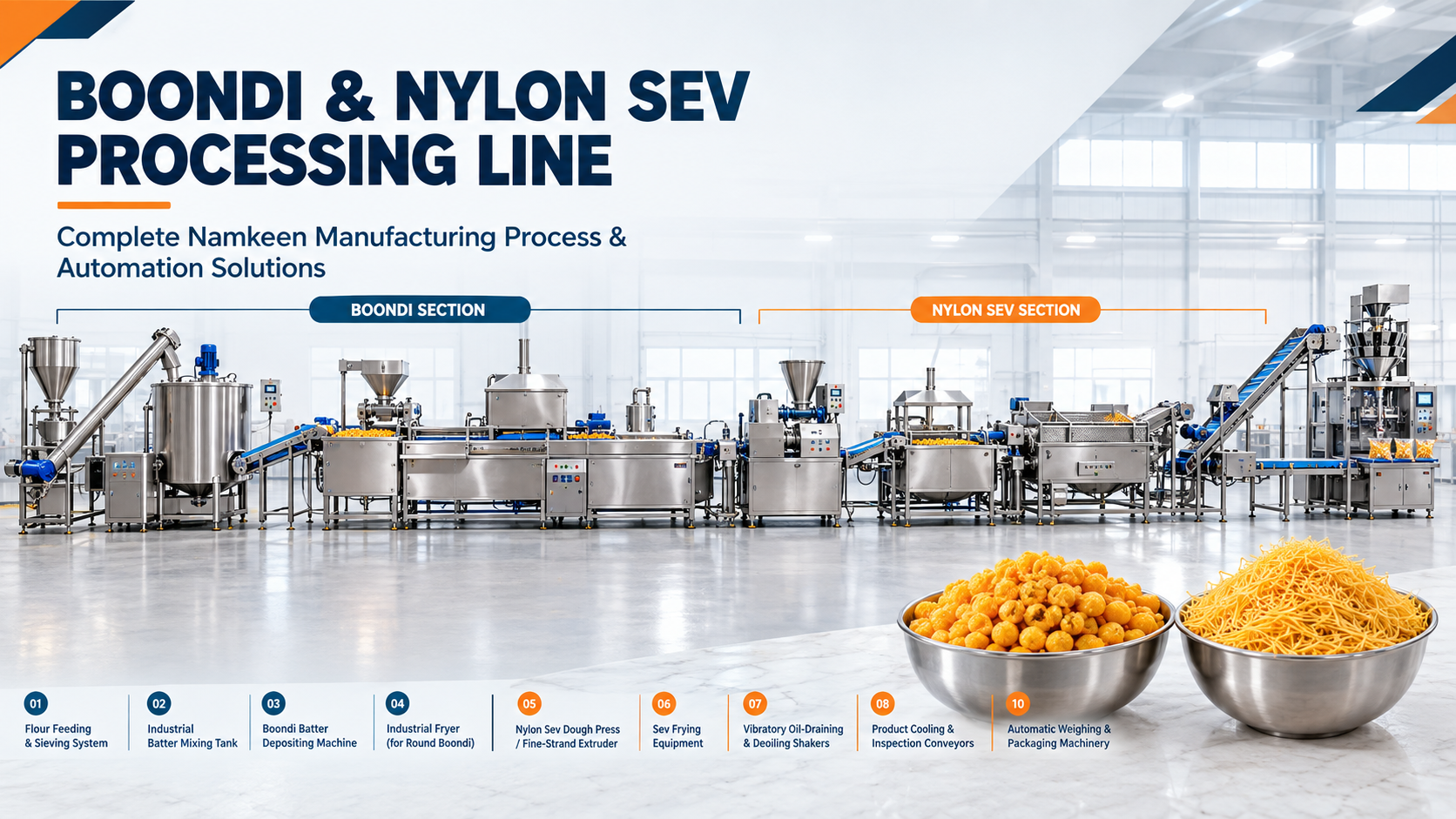
Boondi & Nylon Sev Processing Line: Complete Manufacturing Guide
Explore the manufacturing process, essential machinery, frying and deoiling systems, conveying solutions and packaging integration for boondi and nylon sev production.
Boondi and nylon sev are popular ingredients and snacks in the Indian namkeen industry. Boondi consists of small, round fried gram-flour droplets, while nylon sev is made from fine strands of extruded dough. Both products require appropriate preparation, forming, frying, cooling and handling processes to achieve consistent quality.
A boondi and nylon sev processing line combines product-specific forming and cooking equipment with suitable conveying, oil-draining, inspection and packaging systems. The exact machine arrangement depends on the product recipe, required capacity and final use.
Yuga-We100 provides industrial conveying systems, vibratory equipment, screening and grading solutions, elevating systems and material-handling equipment that can help connect compatible stages of food-processing operations.
1. Overview of Boondi and Nylon Sev Manufacturing
Namkeen manufacturing involves preparing ingredients, forming the required product shape, cooking or frying, removing excess oil where applicable, cooling and transferring the finished product for packing.
Although boondi and nylon sev can share some supporting equipment, their forming processes are different. Boondi production typically uses a perforated plate or suitable depositing system to form small droplets from batter. Nylon sev uses a press or extruder fitted with fine openings to form thin strands from prepared dough.
Boondi Production
Besan-based batter is prepared and passed through suitable perforations into hot oil, forming small round droplets that are fried and drained.
Nylon Sev Production
Prepared dough is forced through a fine-hole die or press to create thin strands, which are cooked and transferred through appropriate draining and cooling stages.
Product Handling
Conveyors, elevators and vibratory equipment transfer products between suitable processing stages while helping maintain organised production flow.
Finishing and Packaging
After cooling and any required inspection or seasoning, products are transferred to weighing and packaging equipment.
2. Difference Between Boondi and Nylon Sev
Both products are commonly made using gram flour-based formulations, but the consistency of the mixture and forming equipment differ. These differences determine the layout and operating requirements of each line.
| Parameter | Boondi | Nylon Sev |
|---|---|---|
| Product shape | Small, round droplets | Thin, delicate strands |
| Typical mixture | Pourable batter | Dough suitable for pressing or extrusion |
| Forming equipment | Perforated boondi plate or depositing system | Fine-hole sev press or extruder |
| Cooking | Usually fried in a suitable fryer | Usually fried using an appropriate sev frying system |
| Oil management | Draining or deoiling equipment as required | Careful draining and handling to protect thin strands |
| Handling needs | Control product accumulation and transfer | Minimise excessive drops and strand breakage |
Important: Recipes and processing conditions vary by manufacturer. Batter viscosity, dough consistency, perforation size, frying conditions and product dimensions should be established for the intended product before selecting machinery.
3. Complete Boondi Manufacturing Process
A typical boondi line starts with flour preparation and batter mixing, followed by controlled depositing into hot oil. The fried droplets are then drained, cooled and transferred for packaging or further namkeen preparation.
Boondi Production Flow
- Besan and Ingredient Receiving
- Flour Sieving
- Ingredient Dosing
- Batter Mixing
- Batter Feeding and Distribution
- Boondi Plate or Depositing Unit
- Controlled Frying
- Oil Draining or Deoiling
- Cooling and Inspection
- Seasoning or Further Namkeen Blending
- Product Distribution
- Weighing and Packaging
Raw Material Preparation
Besan and other recipe ingredients are received, inspected and prepared for production. Suitable sieving equipment may be used to remove lumps and unwanted particles.
Batter Mixing
Besan, water and other specified ingredients are mixed to obtain the required batter consistency. Batter uniformity is important for producing boondi with consistent shape and size.
Batter Feeding and Boondi Forming
The batter is delivered to a suitable perforated plate or depositing arrangement. The batter passes through the openings to form droplets that fall into the frying medium.
Frying
The droplets are fried under controlled operating conditions to develop the required texture and colour. Fryer temperature, residence time and loading must be validated for the formulation.
Oil Draining and Deoiling
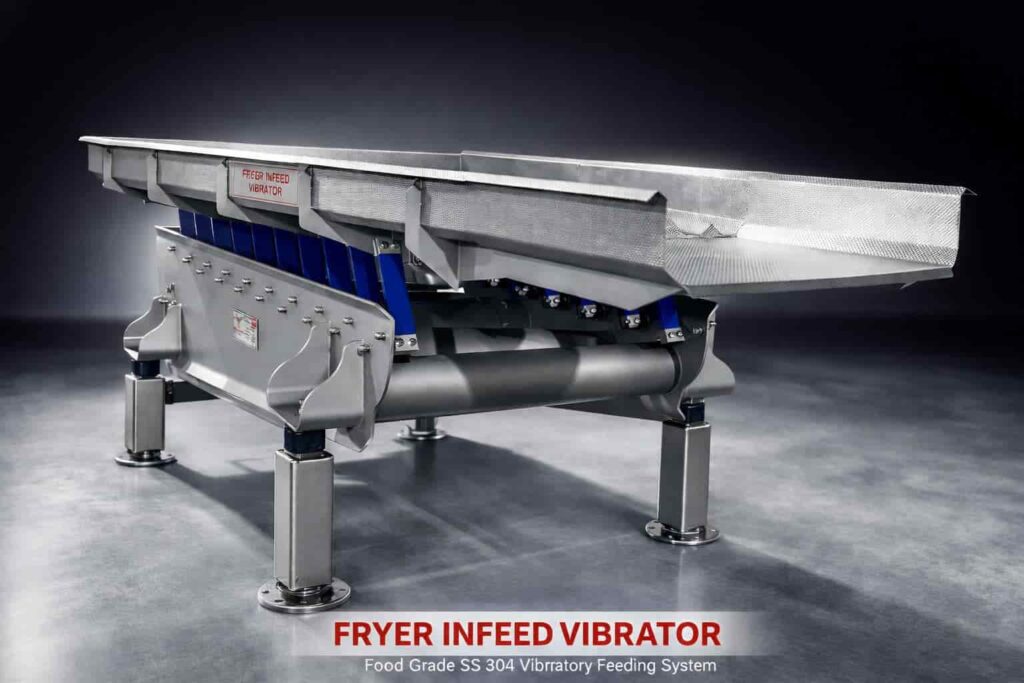
The fried boondi is separated from excess oil using suitable draining and transfer arrangements. A compatible vibratory system may assist oil drainage and product movement.
Cooling and Inspection
Boondi is cooled to a suitable temperature before packaging or further blending. Inspection helps identify burnt, broken or otherwise nonconforming material according to the quality plan.
Seasoning, Blending and Packaging
Depending on the intended product, boondi may be seasoned or combined with other namkeen ingredients. Suitable distribution and weighing systems then feed the packaging equipment.
4. Complete Nylon Sev Manufacturing Process
Nylon sev production uses prepared dough and a forming press or extruder equipped with a die containing fine openings. The resulting strands are cooked, drained and handled carefully to preserve the desired texture and product dimensions.
Nylon Sev Production Flow
- Besan and Ingredient Preparation
- Flour Sieving and Dosing
- Dough Mixing
- Dough Feeding to Sev Press
- Fine-Strand Extrusion
- Controlled Frying
- Oil Draining or Deoiling
- Cooling and Inspection
- Optional Seasoning or Blending
- Product Transfer and Distribution
- Automatic Weighing
- Packaging and Dispatch
Ingredient Preparation
Besan and recipe ingredients are checked, sieved and measured. The formulation should be suitable for the desired nylon sev texture and forming method.
Dough Mixing
Ingredients are combined to achieve a uniform dough with the consistency required by the selected press or extruder. Dough condition affects strand formation and machine performance.
Fine-Strand Extrusion
The dough is pressed through a suitable fine-hole die to produce thin strands. Die dimensions and operating settings determine the approximate strand size and output characteristics.
Frying and Texture Development
The formed strands are fried under appropriate conditions to develop the required texture. The frying system should be selected for the intended product throughput and strand characteristics.
Oil Draining and Gentle Transfer
Excess surface oil is drained using suitable equipment. Conveyors and vibratory systems should be selected to minimise excessive impact and breakage of the thin strands.
Cooling, Inspection and Packaging
After cooling, nylon sev can be inspected and transferred to the next stage. Depending on the product, it may be packed directly or blended with other namkeen ingredients.
5. Machines Required for Boondi and Nylon Sev Production
The following equipment categories are commonly considered when planning these production lines. Final specifications depend on the recipe, required output and factory arrangement.
| Equipment | Purpose | Selection Consideration |
|---|---|---|
| Flour Sieving Machine | Separates lumps and unsuitable particles. | Flour properties and required screening capacity. |
| Ingredient Dosing System | Measures ingredients for the formulation. | Recipe accuracy and throughput. |
| Batter Mixing Tank | Prepares a uniform boondi batter. | Batch size and batter consistency. |
| Dough Mixer | Prepares nylon sev dough. | Required dough characteristics and batch capacity. |
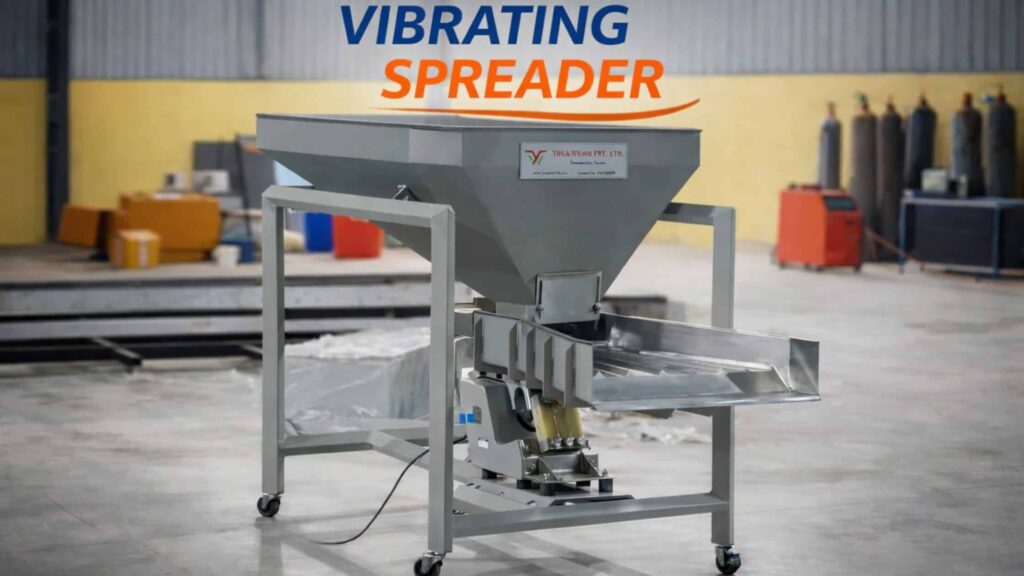
| Boondi Depositing Unit | Forms batter into droplets. | Hole size, droplet uniformity and feed control. |
| Nylon Sev Press or Extruder | Forms thin sev strands. | Die design, strand size and required output. |
| Industrial Fryer | Frys the formed product. | Heating system, residence time and oil management. |
| Vibratory Deoiling Shaker | Supports oil drainage and product transfer. | Product fragility and drainage requirements. |
| Cooling Conveyor | Transfers and cools the fried product. | Cooling time and handling requirements. |
| Inspection or Screening System | Supports quality checks and suitable size separation. | Particle size and inspection criteria. |
| Elevating and Distribution Conveyors | Move and distribute products between stages. | Transfer height, flow rate and breakage control. |
| Weighing and Packaging Machine | Measures and packs the final product. | Pack format, target weight and operating speed. |
Equipment scope: Batter mixers, boondi-forming units, sev presses and fryers are specialised process machines. Confirm their availability and supply scope with the relevant supplier. Do not assume that every item in this planning list is manufactured by Yuga-We100.
6. Role of Conveyors and Vibratory Equipment
Material-handling systems help connect processing equipment and transfer products to downstream operations. For boondi and nylon sev, equipment selection must consider the product’s size, fragility, temperature and exposure to oil.
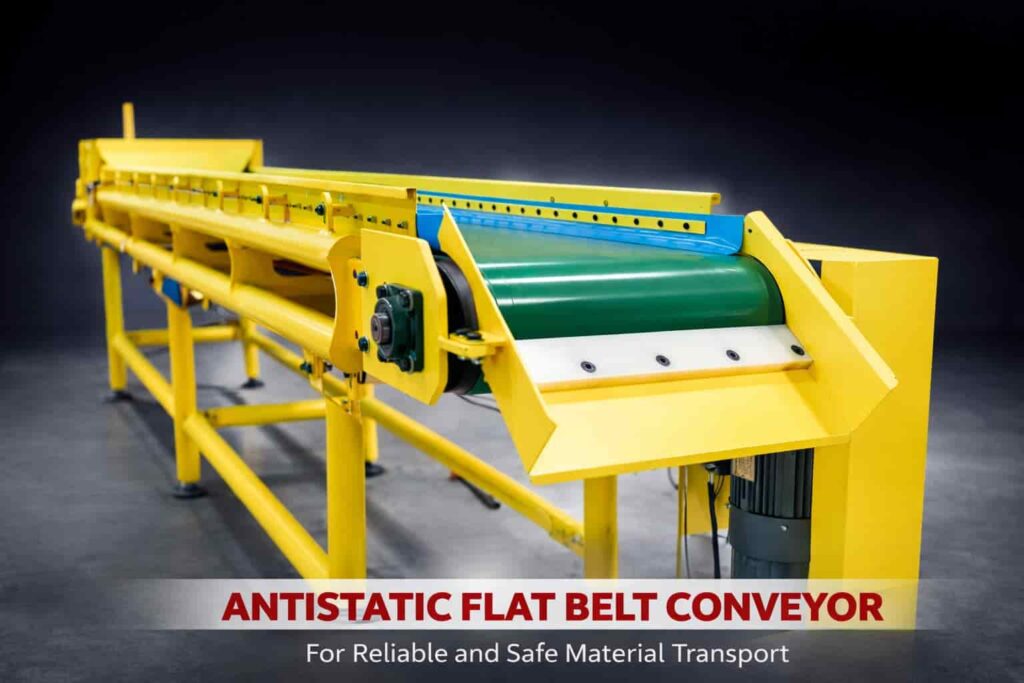
Horizontal Belt Conveyors
Transfer compatible products between processing, inspection and packaging stations. Food-contact surfaces should suit the intended application.
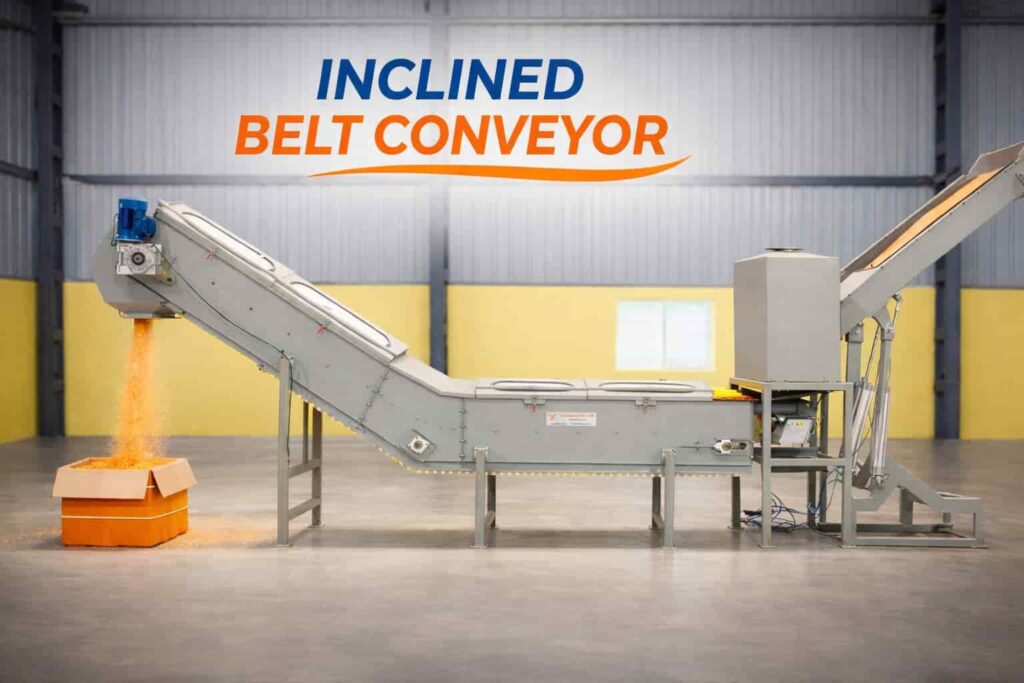
Inclined Conveyors and Elevators
Transfer product between different machine heights. Correct design helps manage drops, accumulation and unnecessary product damage.
Vibratory Conveyors
Support controlled movement, feeding and distribution for products that are suitable for vibratory handling.
Deoiling Shakers
Assist excess oil drainage and product transfer following frying when configured for the specific product and operating conditions.
Screening and Grading Systems
Help separate product fractions or remove unsuitable particles according to the quality-control plan.
Distribution Systems
Route products to suitable downstream destinations and support consistent feeding of weighing and packaging stations.
Yuga-We100 provides industrial conveying systems, vibratory equipment, screening and grading solutions, elevating systems and material-handling equipment for food-processing applications. A suitable configuration can be evaluated according to the production capacity, layout and product characteristics.
Explore the Yuga-We100 food processing industry solutions or visit the Yuga-We100 blog library .
7. Benefits of an Integrated Namkeen Processing Line
Integrating suitable process equipment with conveyors, vibratory systems and packaging machinery can help manufacturers organise production and reduce avoidable manual handling.
- Organised material flow: Connected equipment helps transfer product through defined processing stages.
- Reduced repetitive handling: Conveyors can reduce manual transfers between compatible machines.
- Improved product consistency: Appropriate forming and controlled processing help support repeatable product quality.
- Better product protection: Proper transfer geometry can help minimise unnecessary impacts and breakage.
- Efficient oil drainage: Suitable draining and deoiling equipment can support downstream handling of fried products.
- Packaging-line coordination: Distribution and feeding equipment help supply products to weighing and packaging stations.
- Scope for expansion: A well-planned layout may allow additional equipment or packaging capacity to be integrated later.
Actual production improvements depend on equipment capacity, process balance, product formulation, operator practices and maintenance. Automation alone does not guarantee a specific output or cost saving.
8. How to Plan a Boondi and Nylon Sev Manufacturing Plant
A properly planned plant starts with product requirements and production targets. These determine the suitable process equipment, transfer arrangements and factory layout.
Define the Product Range
Specify boondi size, nylon sev strand dimensions, recipe, texture, intended application and whether additional seasoning or blending is required.
Set the Production Capacity
Define the required hourly output, operating shifts, batch sizes and packaging formats. Clarify whether capacity refers to raw material, fried product or packaged output.
Select Product-Specific Machinery
Choose suitable batter preparation and depositing equipment for boondi and dough preparation and extrusion equipment for nylon sev. Confirm frying and oil-management requirements for each product.
Plan Conveyors and Material Flow
Establish machine elevations, conveyor lengths, transfer points, inspection access and the path from production to packing. Account for the fragility of fried products.
Balance Equipment Capacities
Ensure the forming, frying, draining, cooling and packaging stages can support the required output. Identify bottlenecks before finalising the layout.
Confirm Utilities and Hygiene
Plan electrical supply, heating, ventilation, drainage, cleaning access, machine guards, emergency stops and maintenance clearances.
What Determines the Cost of a Namkeen Processing Line?
The investment depends on the plant’s capacity, process configuration and degree of automation. Major cost considerations include:
- Boondi depositing equipment and nylon sev press design.
- Mixing capacity and ingredient-handling requirements.
- Fryer size, heating method and oil-management equipment.
- Deoiling shakers, cooling conveyors and transfer systems.
- Seasoning, inspection, weighing and packaging equipment.
- Factory layout, utilities, installation and commissioning.
- Cleaning provisions, spare parts and maintenance needs.
A reliable quotation should be based on the intended product, target capacity, equipment specifications, layout and agreed supply scope.
9. Quality, Hygiene and Food Safety
Boondi and nylon sev production involves flour handling, wet mixtures, hot oil and finished fried products. Suitable hygiene and operating controls are essential throughout the manufacturing process.
- Ingredient quality: Inspect raw materials and use appropriate storage and handling practices.
- Mixture consistency: Control batter and dough preparation according to the product specification.
- Cooking control: Monitor frying conditions and validate them for the intended product.
- Oil quality: Establish appropriate filtration, monitoring and replacement procedures.
- Food-contact surfaces: Use suitable materials and finishes in contact with ingredients and products.
- Cleaning and inspection: Provide access for cleaning and routine inspection of equipment and transfer systems.
- Foreign-material control: Apply appropriate screening and detection measures as specified in the food-safety plan.
- Packaging integrity: Use suitable packaging and sealing controls to protect the finished product during storage.
Review applicable Indian food-safety requirements and relevant standards with qualified professionals during plant design, installation and commissioning.
10. Yuga-We100 Material-Handling Solutions for Food Processing
Efficient namkeen production requires suitable process machinery and dependable transfer systems between individual operations. Conveyors and vibratory equipment can help connect production, draining, cooling and packaging stages.
Yuga-We100 manufactures industrial conveying systems, vibratory equipment, screening and grading solutions, elevating systems and related material-handling equipment for food-processing applications.
Depending on the application, the material-handling scope may include:
- Horizontal and inclined belt conveyors.
- Vibratory conveying and feeding equipment.
- Screening and grading systems.
- Compatible dewatering or deoiling vibratory equipment.
- Elevating and distribution conveyors.
- Custom transfer arrangements for production-line integration.
The appropriate equipment depends on product fragility, operating temperature, oil exposure, required throughput and the factory layout. Confirm the exact product specifications and supply scope with Yuga-We100.
Visit Yuga-We100’s official website to explore its industrial equipment and solutions.
Planning a Namkeen Manufacturing Line?
Discuss your conveying, vibratory equipment, product transfer and packaging-line integration requirements with Yuga-We100. Identify material-handling solutions suited to your food-processing application.
Explore Yuga-We100 Solutions11. Frequently Asked Questions
What machines are required for boondi manufacturing?
A typical boondi line may include flour sieving, ingredient dosing, batter mixing, a boondi depositing unit, a fryer, suitable oil-draining equipment, cooling and inspection systems, conveyors and weighing and packaging machinery.
What machines are required for nylon sev production?
Nylon sev production typically requires ingredient preparation, dough mixing, a suitable sev press or extruder, a fryer, oil-draining equipment, cooling, product transfer and packaging systems.
What is the difference between boondi and nylon sev machines?
Boondi is formed by depositing batter through perforations to create round droplets. Nylon sev is formed by pressing or extruding dough through a die with fine openings to produce thin strands.
Why is a deoiling shaker used in namkeen production?
A suitable deoiling shaker supports the drainage of excess surface oil from compatible fried products while transferring them to subsequent processing stages.
Can boondi and nylon sev be manufactured in the same plant?
Yes. A plant can be designed to manufacture both products using separate forming sections and appropriately configured processing equipment. Shared downstream equipment may be possible when capacities, hygiene requirements and product handling characteristics are compatible.
Why are conveyors important in namkeen manufacturing?
Conveyors transfer products between processing, draining, cooling, inspection and packaging stages. Appropriate design can reduce manual handling and help control product movement and breakage.
What factors affect the cost of a boondi or sev processing line?
Costs depend on production capacity, forming technology, frying equipment, oil management, automation, conveyor layout, packaging machinery, installation and the overall project scope.
Does Yuga-We100 provide food-processing conveying solutions?
Yuga-We100 provides conveying systems, vibratory equipment, screening and grading solutions, elevating systems and related material-handling equipment for food-processing applications. Confirm the specific equipment and supply scope directly with the company.
Explore More Food Processing Resources
Published by Yuga-We100 Private Limited. Process descriptions are general planning guidance. Final machine selection, processing conditions and production-line configuration should be validated for the intended product and capacity.