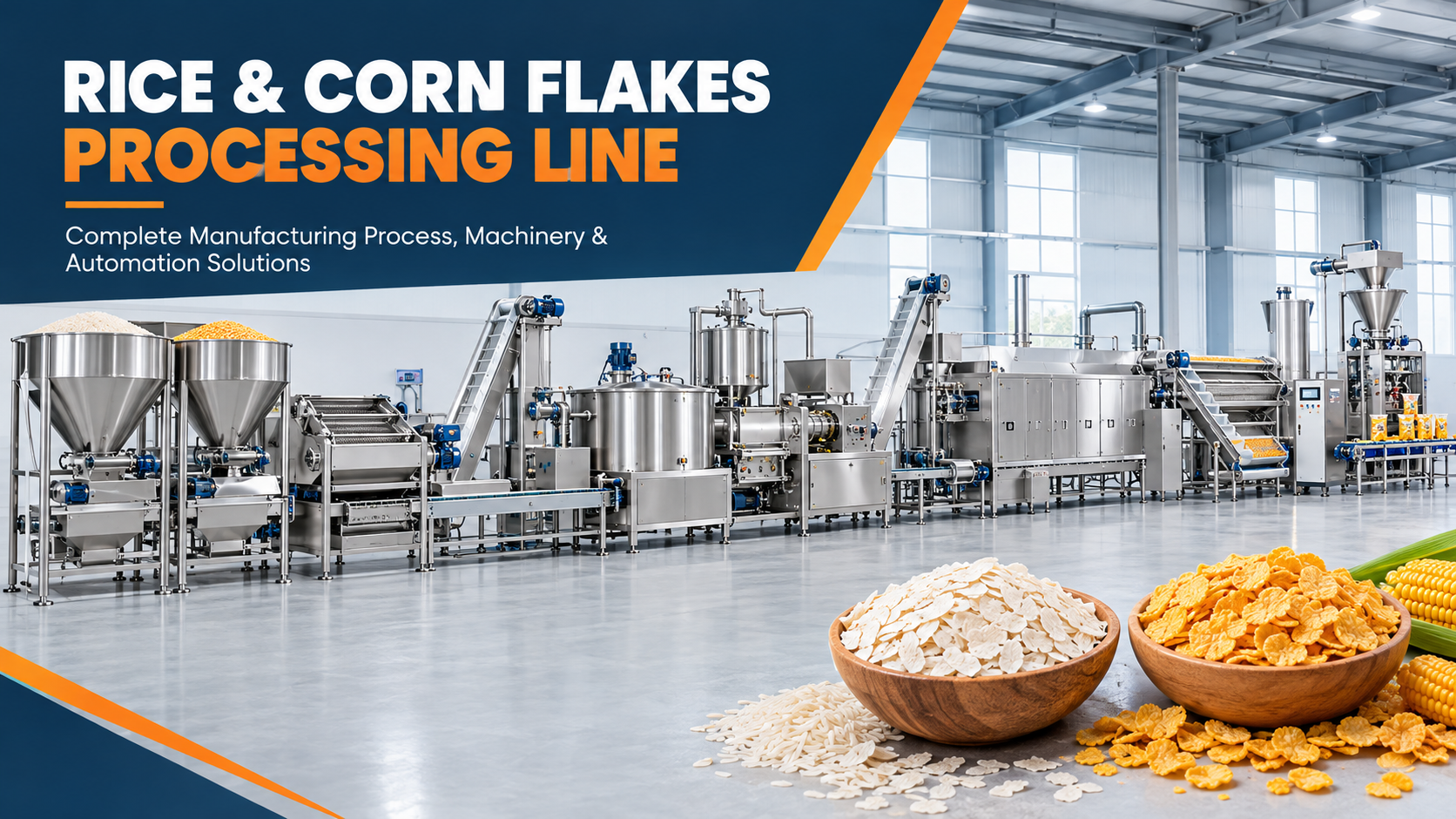
Rice & Corn Flakes Processing Line: Complete Manufacturing Guide
Discover rice flakes and corn flakes manufacturing processes, essential machinery, grain handling, flaking, drying, cooling, grading and packaging-line integration.
Rice flakes and corn flakes are widely used cereal products manufactured through different grain-processing techniques. Rice flakes, commonly known as poha in India, are generally made by conditioning paddy or rice and passing it through flaking rollers. Corn flakes are commonly manufactured from prepared corn grits that undergo cooking, drying, flaking and toasting.
A rice and corn flakes processing line combines grain preparation and product-specific processing equipment with suitable conveying, screening, cooling and packaging systems. The exact arrangement depends on the product specification, raw material and required output.
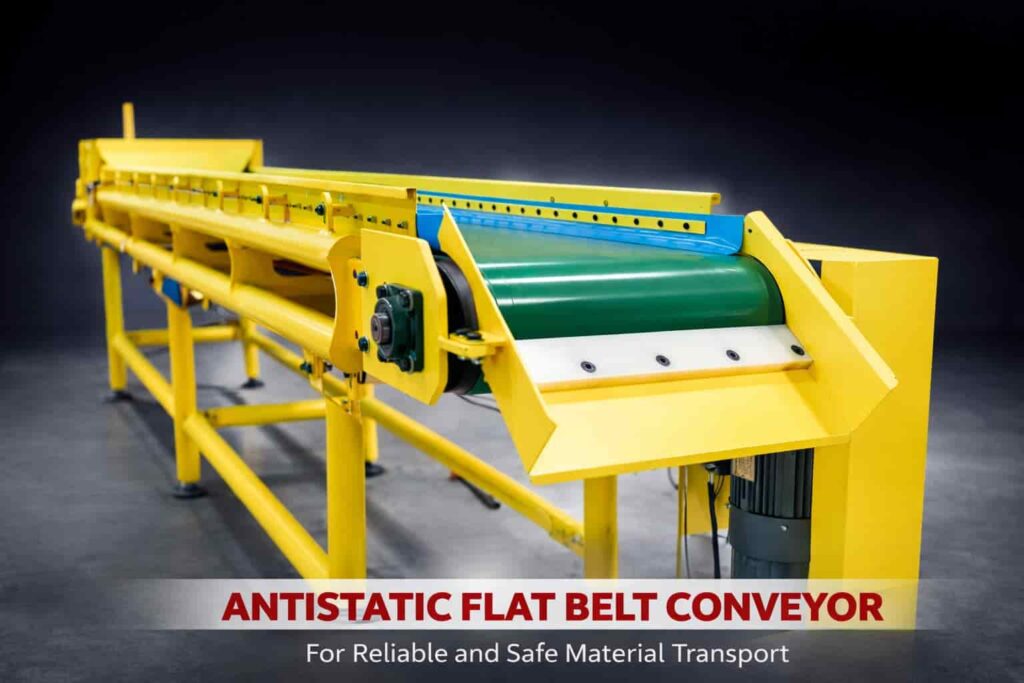
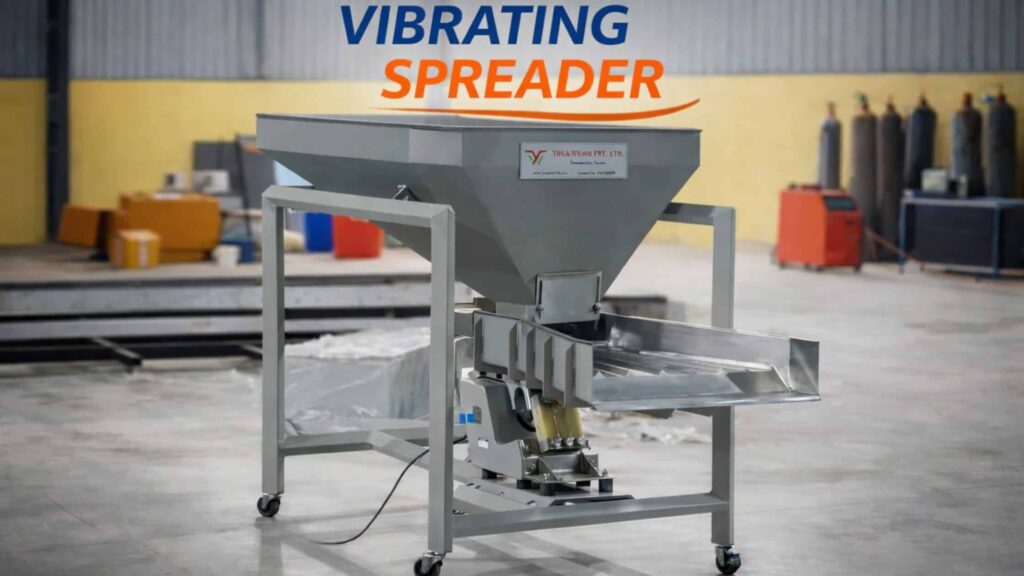
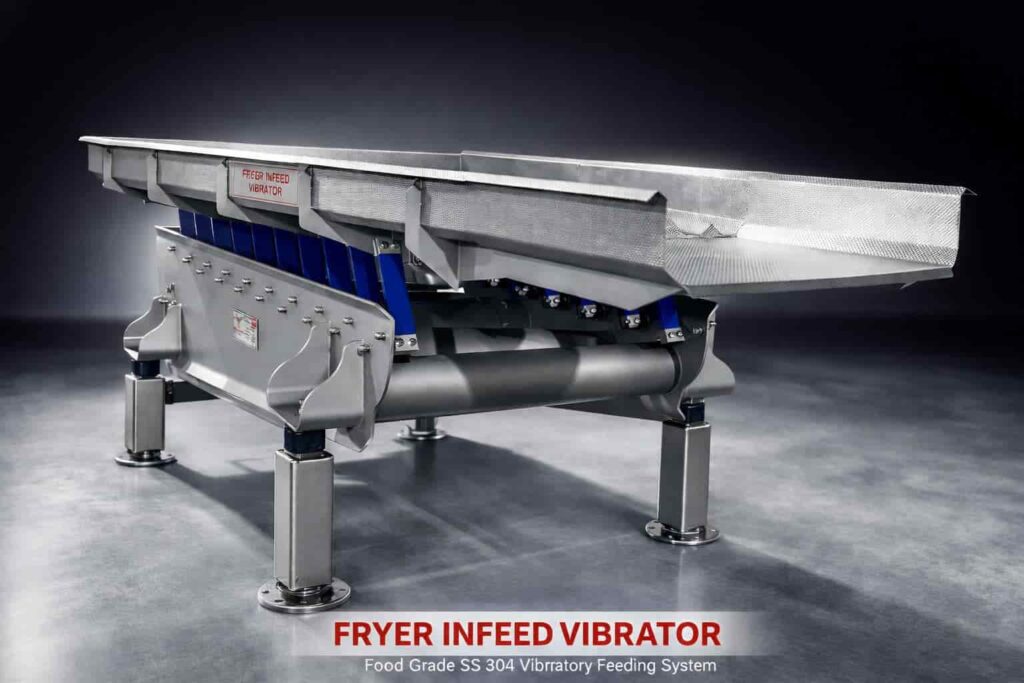
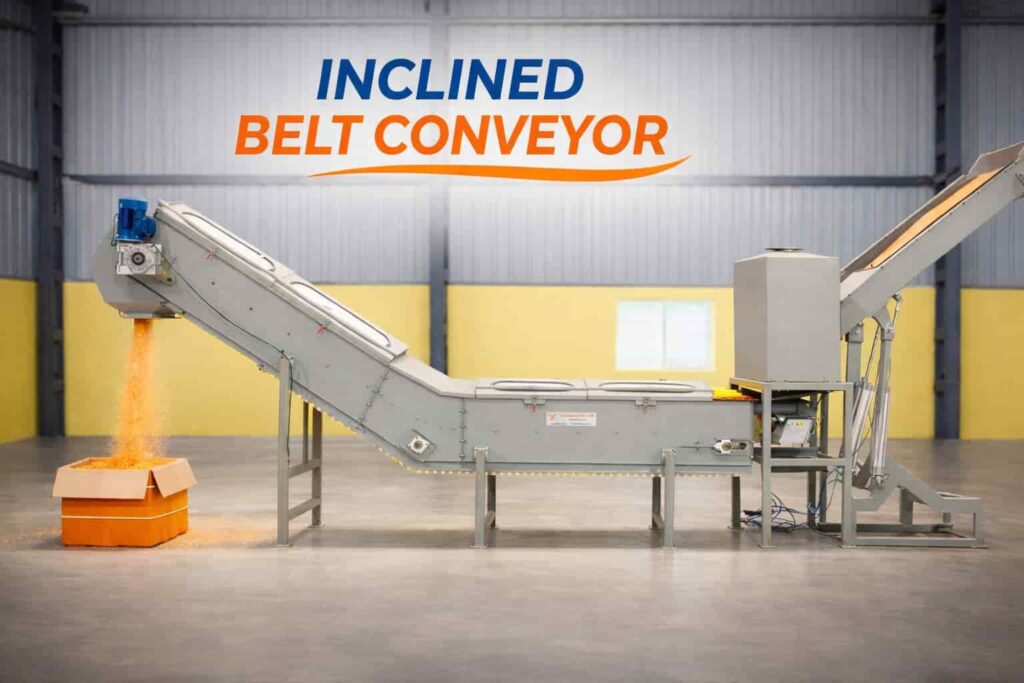
Yuga-We100 manufactures industrial conveying systems, vibratory equipment, screening and grading solutions, elevating systems and related material-handling equipment for food-processing applications. These systems can be evaluated for compatible grain and cereal production stages.
1. Overview of Rice and Corn Flakes Manufacturing
Cereal processing converts grains into products with specific shapes, textures, moisture levels and cooking characteristics. Although both rice flakes and corn flakes are flattened cereal products, their raw materials and processing sequences differ.
Rice Flakes (Poha)
Rice flakes are typically produced by cleaning and conditioning paddy or rice, applying suitable heating or roasting, flaking through rollers, and then cooling and grading the finished flakes.
Corn Flakes
Corn flakes are commonly made from corn grits that are cooked, conditioned, dried as required, flattened through rollers, toasted and cooled.
Material Handling
Conveyors, elevators, screening systems and distribution equipment transfer grains and finished flakes between compatible production stages.
Finishing and Packaging
Grading, cooling, inspection and weighing systems help prepare the finished cereal products for suitable packaging and storage.
2. Difference Between Rice Flakes and Corn Flakes
Understanding the differences helps manufacturers select the appropriate machinery and production-line layout.
| Parameter | Rice Flakes | Corn Flakes |
|---|---|---|
| Main raw material | Paddy or rice, depending on the process | Typically corn grits |
| Initial preparation | Cleaning, conditioning and soaking where required | Grain processing, grit preparation and cooking |
| Flaking method | Prepared paddy or rice is passed through flaking rollers | Prepared corn grits are flattened through flaking rollers |
| Typical finishing | Cooling, grading and optional further drying | Drying, toasting and cooling |
| Appearance | Thin, flat, off-white or cream flakes | Thin, irregular, golden-yellow flakes |
| Handling priorities | Flake integrity and controlled moisture | Flake integrity, crispness and moisture control |
Important: Rice flakes and corn flakes do not necessarily use the same production sequence. The rice-flaking process varies depending on whether the product is made from paddy or prepared rice. Corn flakes commonly require a separate grit-cooking and toasting process.
3. Complete Rice Flakes Manufacturing Process
Rice flakes, or poha, are produced by conditioning suitable paddy or rice and flattening it using flaking rollers. The detailed method varies with the raw material, regional product type and required flake thickness.
Typical Rice Flakes Production Flow
- Raw Paddy or Rice Receiving
- Grain Cleaning and Destoning
- Conditioning and Soaking Where Required
- Draining or Moisture Adjustment
- Roasting or Heating
- Flaking Through Rollers
- Separation and Screening
- Cooling and Moisture Conditioning
- Grading and Inspection
- Product Distribution
- Weighing and Packaging
Raw Material Receiving
Suitable paddy or rice is received and checked against the raw-material specification. The chosen process determines the appropriate grain condition before further treatment.
Grain Cleaning and Destoning
Cleaning and separation equipment removes unwanted material such as dust, chaff and stones. Screening and destoning arrangements are selected according to the incoming grain quality.
Conditioning and Soaking
Depending on the manufacturing method, paddy or rice may undergo soaking and moisture conditioning. Controlled conditioning helps prepare the grain for subsequent heating and flaking.
Roasting or Heating
The conditioned grain is heated using suitable processing equipment. Temperature, moisture and residence time depend on the product specification and the chosen rice-flaking method.
Rice Flaking
Prepared grain passes between flaking rollers, which flatten it into thin flakes. Roller settings and grain condition influence the thickness, appearance and integrity of the final product.
Screening and Separation
Suitable screening equipment separates the desired flakes from fines and other fractions. Screening specifications depend on the required product size and acceptable breakage levels.
Cooling and Moisture Control
The flakes are cooled and conditioned to reach the required handling and storage characteristics. Further drying may be necessary depending on the process and target moisture specification.
Grading, Inspection and Packaging
Finished flakes are graded and inspected according to the quality plan. Suitable distribution, weighing and packaging equipment then prepares the product for storage or dispatch.
4. Complete Corn Flakes Manufacturing Process
Corn flakes are commonly manufactured from prepared corn grits. The grits undergo cooking and conditioning before being flattened into flakes, dried as required and toasted to develop their familiar crisp texture and golden colour.
Typical Corn Flakes Production Flow
- Corn Grain Receiving
- Cleaning and Grading
- Grit Preparation
- Cooking and Conditioning
- Moisture Adjustment
- Flaking Through Rollers
- Drying
- Toasting
- Cooling
- Screening and Grading
- Distribution and Inspection
- Weighing and Packaging
Corn Receiving and Cleaning
Corn is received and cleaned to remove unwanted particles. Grain cleaning and separation equipment prepares the material for further processing.
Grit Preparation
The corn is processed into grits of a suitable specification. Grit size and consistency influence cooking, flaking and the quality of the finished corn flakes.
Cooking and Conditioning
The grits are cooked and conditioned according to the formulation and process requirements. This stage prepares the material for subsequent flaking and texture development.
Flaking Through Rollers
Conditioned corn grits pass through flaking rollers to form thin flakes. Roller configuration and feed consistency influence flake thickness and breakage.
Drying and Toasting
The flakes are dried to the required moisture specification and toasted to develop their colour, crispness and flavour. Operating conditions should be validated for the particular product.
Cooling
The toasted flakes are cooled before further handling and packing. Appropriate cooling helps prepare the product for inspection and packaging.
Screening and Grading
Screening equipment can separate fines and nonconforming fractions according to the product specification. Gentle handling is important to protect the finished flakes from breakage.
Distribution and Packaging
Finished flakes are transferred to suitable weighing and packaging equipment. Moisture-resistant packaging helps preserve the product’s crispness during storage.
5. Machines Required for Rice and Corn Flakes Production
The following machinery categories may be considered when planning cereal production. The exact equipment list depends on the manufacturing process and whether raw paddy, prepared rice or corn grits are used.
| Machine or System | Main Function | Selection Consideration |
|---|---|---|
| Grain Cleaning Machine | Removes unwanted material from incoming grain. | Raw material, throughput and separation requirements. |
| Destoner | Separates stones and other dense contaminants. | Grain characteristics and cleaning specification. |
| Soaking and Conditioning System | Adjusts grain condition before subsequent processing. | Product recipe, moisture target and batch size. |
| Roaster or Heating Equipment | Provides controlled heating where required. | Heating method, temperature control and residence time. |
| Rice Flaking Machine | Flattens prepared rice or paddy into flakes. | Roller settings, flake thickness and throughput. |
| Corn Grits Cooking System | Cooks and conditions prepared corn grits. | Batch or continuous operation and product specification. |
| Corn Flaking Rollers | Flatten cooked and conditioned corn grits. | Roller configuration, flake integrity and output. |
| Drying and Toasting Equipment | Reduces moisture and develops corn-flake texture. | Thermal requirements, residence time and final moisture. |
| Vibratory Screening Machine | Separates product fractions by size. | Screen aperture, capacity and flake fragility. |
| Cooling Conveyor | Transfers and cools finished flakes. | Cooling requirements and product handling. |
| Elevators and Belt Conveyors | Transfer grains and finished products between stages. | Elevation, throughput and drop-height control. |
| Distribution System | Feeds suitable downstream equipment. | Product flow, packaging capacity and layout. |
| Weighing and Packaging Machine | Measures and packs finished cereal products. | Pack size, required speed and product fragility. |
Equipment scope: Grain cleaning, cooking, roasting, flaking and toasting machines are specialised process equipment. Verify the availability and supply scope of each machine with its manufacturer. Do not assume that every item in this table is manufactured by Yuga-We100.
6. Role of Conveyors and Vibratory Equipment
Material handling is an important part of cereal manufacturing. Suitable equipment connects grain preparation, flaking, cooling, screening and packaging stations while helping maintain a planned production flow.
Belt Conveyors
Transfer grains or finished products between compatible processing stages. Belt selection depends on the material, food-contact requirements and operating conditions.
Elevating Conveyors
Move material between different machine heights. Suitable transfer geometry helps reduce unnecessary drops and product damage.
Vibratory Conveyors
Support controlled movement and feeding of compatible products. Settings should account for the fragility of thin cereal flakes.
Vibratory Screening Machines
Separate fines, broken flakes and other product fractions according to the required grading specification.
Distribution Systems
Route product towards suitable downstream destinations and coordinate feeding of packaging equipment where required.
Cooling and Transfer Systems
Support product movement after heating or toasting and help integrate cooling with screening and packaging operations.
Yuga-We100 provides conveying systems, vibratory equipment, screening and grading solutions, elevating systems and material-handling equipment for food-processing applications. Equipment selection should be based on the grain or flake characteristics, capacity and factory layout.
Explore Yuga-We100 food processing solutions or visit the Yuga-We100 blog library .
7. Benefits of an Integrated Cereal Processing Line
Connecting compatible processing and material-handling equipment can help cereal manufacturers organise production and coordinate downstream operations.
- Continuous material flow: Planned transfers connect different processing stages and reduce unnecessary material movement.
- Reduced repetitive handling: Conveyors can reduce manual transfers between suitable machines.
- Improved product consistency: Appropriate grain preparation, flaking and thermal controls support repeatable product characteristics.
- Better flake protection: Proper transfer geometry and controlled conveying help minimise excessive breakage.
- Organised grading: Screening and distribution systems help separate product fractions and route finished material.
- Packaging coordination: Suitable feeding systems help supply weighing and packing equipment.
- Expansion flexibility: A well-planned layout can make future capacity changes easier to evaluate.
Actual productivity and quality improvements depend on the selected equipment, product specification, process balance, maintenance and operating practices.
8. How to Plan a Rice and Corn Flakes Processing Plant
Plant planning should begin with the product specification, raw material, target output and required packaging format. These factors determine the process equipment and material-handling arrangements.
Define the Product
Specify the type of rice flakes or corn flakes, desired dimensions, texture, moisture requirements and any further processing or flavouring.
Set Production Capacity
Establish the required hourly output, operating schedule, raw-material throughput and packaging requirements. Clarify whether capacity refers to incoming grain or finished product.
Select the Appropriate Process
Rice flakes require a suitable rice or paddy conditioning and flaking process. Corn flakes commonly require grit preparation, cooking, flaking, drying and toasting equipment.
Plan the Material-Handling Layout
Determine machine elevations, transfer distances, conveyor paths, screening points and access for cleaning, inspection and maintenance.
Balance Processing Capacities
Check that grain preparation, flaking, drying, cooling, screening and packaging stages can support the intended production rate without creating excessive accumulation or bottlenecks.
Confirm Utilities and Hygiene Requirements
Plan electrical supply, heating, ventilation, dust management, cleaning access, guarding, emergency stops and maintenance clearances.
What Affects the Cost of a Cereal Processing Line?
The total investment varies with capacity, automation level and process configuration. Important cost factors include:
- Grain cleaning and raw-material preparation equipment.
- Soaking, conditioning and cooking systems.
- Rice or corn flaking rollers and associated equipment.
- Drying, roasting and toasting requirements.
- Conveyors, elevators and distribution systems.
- Screening, grading, cooling and inspection equipment.
- Weighing, packaging, installation and commissioning.
- Utilities, maintenance access, spare parts and cleaning provisions.
A meaningful quotation should be based on the required output, product specifications, equipment list, factory layout and agreed project scope.
9. Quality Control and Food Safety
Grain-based manufacturing requires appropriate raw-material controls, process monitoring, cleaning and finished-product protection. The following measures should be considered during plant planning and operation.
- Incoming grain inspection: Check grain quality and apply appropriate cleaning and contaminant-removal procedures.
- Moisture control: Monitor moisture and conditioning parameters at suitable points in the process.
- Flake integrity: Select roller settings and transfer arrangements that support the required flake dimensions.
- Thermal process control: Monitor heating, drying and toasting conditions against validated product specifications.
- Foreign-material control: Apply suitable screening and detection measures as required by the food-safety plan.
- Equipment hygiene: Use suitable food-contact materials and provide practical access for cleaning and inspection.
- Packaging protection: Use appropriate packaging and sealing controls to help preserve product quality and crispness.
- Storage conditions: Protect finished flakes from excess moisture, contamination and unsuitable storage conditions.
Applicable Indian food-safety requirements and relevant standards should be reviewed with qualified professionals during plant design and commissioning.
10. Yuga-We100 Material-Handling Solutions for Food Processing
Cereal production lines require suitable process equipment as well as reliable transfer systems between operations. Conveyors, vibratory equipment and screening solutions can help connect compatible preparation, flaking, cooling, grading and packaging stages.
Yuga-We100 manufactures industrial conveying systems, vibratory equipment, screening and grading solutions, elevating systems and related material-handling equipment for food-processing applications.
Depending on the application, the material-handling scope may include:
- Horizontal and inclined belt conveyors.
- Vibratory conveying and feeding equipment.
- Screening and grading systems.
- Elevating and product-transfer systems.
- Distribution conveyors for downstream equipment.
- Custom material-handling layouts for food factories.
Final equipment selection depends on grain or flake characteristics, throughput, transfer height, food-contact requirements and the factory layout. Confirm specific machinery availability and supply scope with Yuga-We100.
Visit Yuga-We100’s official website to explore its industrial equipment and solutions.
Planning a Cereal Processing Line?
Discuss your conveyor, vibratory equipment, screening, elevating and material-transfer requirements with Yuga-We100. Explore industrial handling solutions suited to your food-processing application.
Explore Yuga-We100 Solutions11. Frequently Asked Questions
What machines are required for rice flakes manufacturing?
Depending on the process, rice flakes production may require grain cleaning, destoning, conditioning, soaking, heating or roasting, flaking rollers, screening, cooling, grading, conveyors and packaging equipment.
What machines are used to manufacture corn flakes?
A typical corn flakes line may include grain cleaning, grit preparation, cooking and conditioning equipment, flaking rollers, drying and toasting equipment, cooling conveyors, screening, distribution and packaging machinery.
Are rice flakes and corn flakes made using the same process?
No. Rice flakes are commonly produced by conditioning paddy or rice and flattening it through rollers. Corn flakes are commonly produced from cooked corn grits, followed by flaking, drying and toasting.
Why is screening equipment used in cereal production?
Screening equipment separates material by size and can help remove fines or unsuitable fractions. Screen selection depends on the product specification and the fragility of the flakes.
Why are conveyors important in cereal manufacturing?
Conveyors transfer raw material and finished products between processing stations. Suitable systems help organise material flow and reduce unnecessary manual handling.
What factors affect the cost of a rice or corn flakes line?
Cost depends on production capacity, raw-material preparation, conditioning, flaking technology, drying and toasting, material handling, packaging, installation and automation requirements.
Can rice flakes and corn flakes be produced in one factory?
Yes. A factory can house separate product-specific processing lines and potentially share compatible downstream handling or packaging equipment. The layout must account for product specifications, capacity, hygiene and cross-contamination controls.
Does Yuga-We100 provide material-handling equipment for food factories?
Yuga-We100 provides conveying systems, vibratory equipment, screening and grading solutions, elevating systems and related material-handling equipment for food-processing applications. Confirm the specific equipment requirements directly with the company.
Explore More Food Processing Resources
Published by Yuga-We100 Private Limited. Process descriptions are general guidance. Actual processing stages and equipment configurations vary by raw material, product specification and manufacturing method.