Pasta Manufacturing Plant Machinery and Production Line in India
A complete guide to pasta production equipment, processing stages, industrial material handling, drying systems, packaging integration and planning a modern pasta manufacturing plant in India.
The demand for convenient, versatile and ready-to-cook food products has created opportunities for pasta manufacturers in India. From traditional macaroni and penne to fusilli, spaghetti and specialty pasta, manufacturers need a well-planned production process to achieve consistent product quality and efficient output.
Setting up a pasta manufacturing plant involves selecting suitable raw materials, pasta processing machinery, extrusion or forming equipment, drying systems, conveyors and packaging equipment. The right combination depends on the type of pasta, required production capacity, factory layout and intended market.
For businesses planning a new pasta factory or expanding an existing food processing facility, understanding the complete production line is an important first step. Yuga-We100 provides customized conveying and material handling solutions for food processing applications, helping manufacturers plan efficient movement of products between suitable processing stages.
What Is a Pasta Manufacturing Production Line?
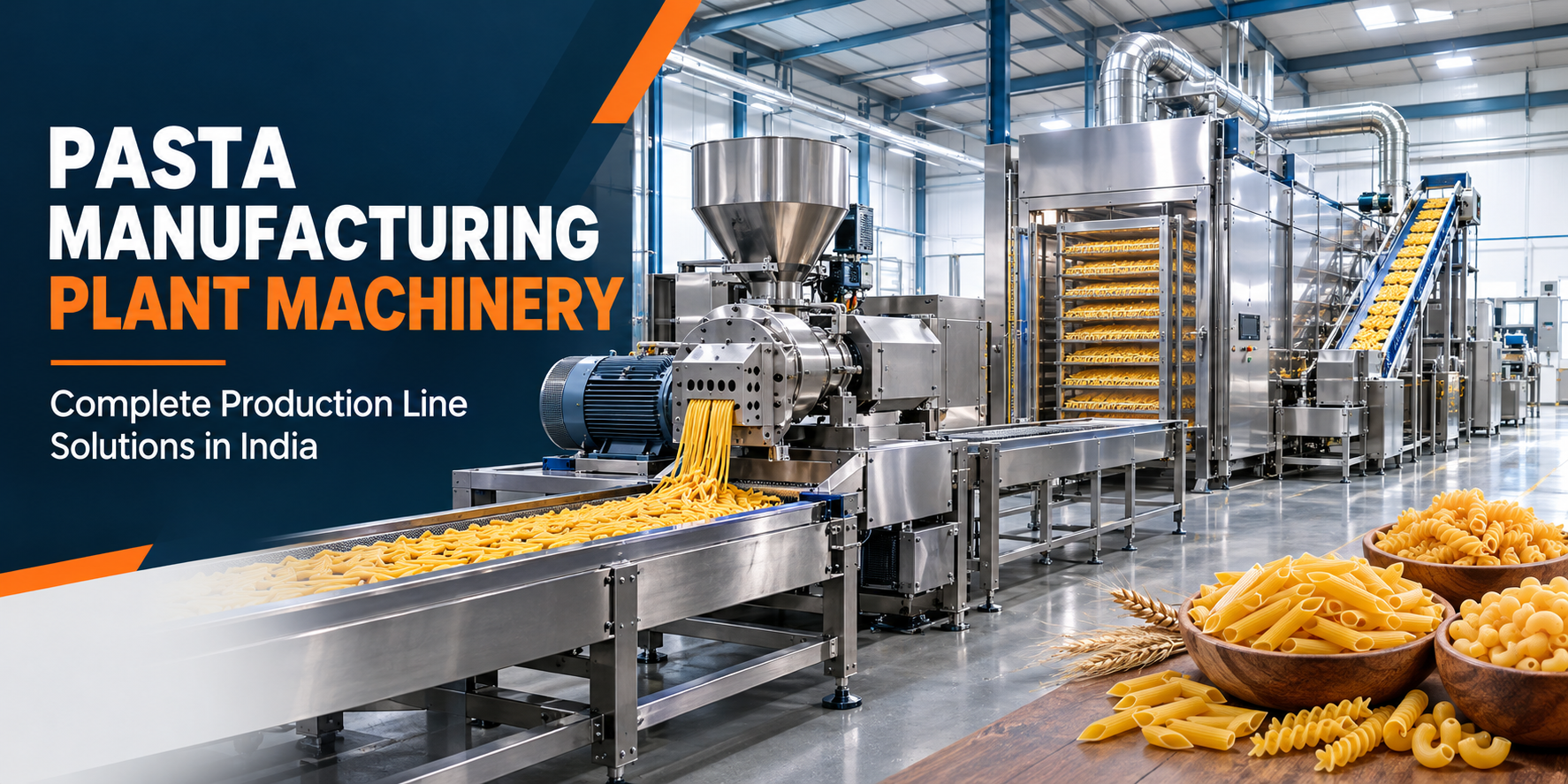
A pasta manufacturing production line is a connected series of machines that transforms flour or semolina and water into finished pasta products. Depending on the recipe and product, the process may include raw material handling, mixing, dough preparation, extrusion, cutting or shaping, drying, cooling, inspection and packing.
Modern industrial pasta plants may use automated controls and synchronized conveying systems to reduce manual handling and maintain a consistent flow of material. Short-cut pasta, long-cut pasta, fresh pasta and filled pasta can require different equipment and process configurations.
Complete Pasta Manufacturing Process: Step by Step
Raw Material Receiving and Storage
Wheat semolina, suitable flour, water and other approved recipe ingredients are received and stored under appropriate conditions. Screening and quality checks help identify foreign material and maintain raw material consistency.
Raw Material Feeding and Conveying
Ingredients are transferred to the required processing equipment. Depending on the factory design, this stage may use bins, hoppers, screw conveyors, bucket elevators or other suitable transfer systems. Powder handling equipment must be selected with dust control and food safety in mind.
Mixing and Dough Preparation
Flour or semolina is combined with a controlled quantity of water to produce a dough with the required moisture and consistency. Mixing time, ingredient ratios and dough characteristics influence extrusion performance and the quality of the finished pasta.
Vacuum Mixing and Dough Conditioning
Depending on the selected process, vacuum mixing or conditioning may be used to reduce trapped air and improve dough uniformity. Equipment requirements vary according to the pasta formulation and the manufacturer’s production technology.
Pasta Extrusion or Forming
The prepared dough is processed through dies or suitable forming equipment to create the desired pasta shape. Different dies and cutting arrangements are used for products such as penne, macaroni, fusilli and spaghetti. Forming equipment should be selected according to the intended product range.
Cutting and Initial Product Handling
Extruded pasta is cut to the required length where applicable. Product transfer systems move the formed pasta toward the next processing stage while minimizing breakage and maintaining an orderly production flow.
Pre-Drying and Main Drying
Dried pasta is produced by carefully reducing moisture under controlled temperature, humidity and airflow conditions. Drying profiles vary with pasta shape, thickness, formulation and production technology. Correct drying is essential for product stability and reducing cracking.
Cooling and Stabilization
After drying, pasta may pass through a controlled cooling or stabilization stage before handling and packing. The process should avoid unwanted condensation and help protect the product from moisture changes.
Inspection and Quality Control
Finished pasta is checked for shape, dimensions, colour, breakage and other product specifications. Suitable screening, inspection and rejection systems can be integrated where required by the product and quality-control plan.
Weighing, Packaging and Cartoning
Accepted pasta is transferred to weighing and packaging equipment. Depending on the pack format, the line may include automatic weighing, bag filling, sealing, date coding, checkweighing, carton handling and case packing.
Essential Machinery Required for a Pasta Manufacturing Plant
A commercial pasta factory typically combines specialized pasta processing machines with material handling, inspection and packaging equipment. The following table provides a general equipment guide. The final selection depends on the production method and plant design.
| Machinery | Primary Function |
|---|---|
| Flour or Semolina Storage System | Stores and supplies the main raw ingredients. |
| Ingredient Feeding System | Transfers and meters ingredients into the process. |
| Flour Sifter | Helps remove specified oversized particles and foreign material. |
| Dough Mixer | Combines flour or semolina and water to form pasta dough. |
| Vacuum Mixer or Conditioner | Supports dough conditioning where required by the process. |
| Pasta Extruder and Dies | Forms dough into the selected pasta shapes. |
| Cutting and Forming Unit | Controls product length and shape according to the machine design. |
| Pasta Dryer | Reduces moisture under controlled drying conditions. |
| Cooling and Transfer Conveyors | Move pasta between processing and packing stages. |
| Inspection and Screening Equipment | Supports quality checks and removal of specified unwanted material. |
| Automatic Weigher and Packing Machine | Measures and packs the finished product. |
| Carton and Case Handling Equipment | Supports secondary packaging and dispatch preparation. |
Role of Conveyors and Material Handling in Pasta Production
Material handling is an important part of an efficient pasta manufacturing plant. A well-designed transfer system connects individual machines, minimizes unnecessary manual movement and helps maintain a consistent production flow.
1. Ingredient Transfer Systems
Suitable screw conveyors, elevators or enclosed transfer arrangements can move flour and semolina to feeding and mixing equipment. Powder-handling requirements differ from those for finished pasta and must be evaluated separately.
2. Food-Grade Belt Conveyors
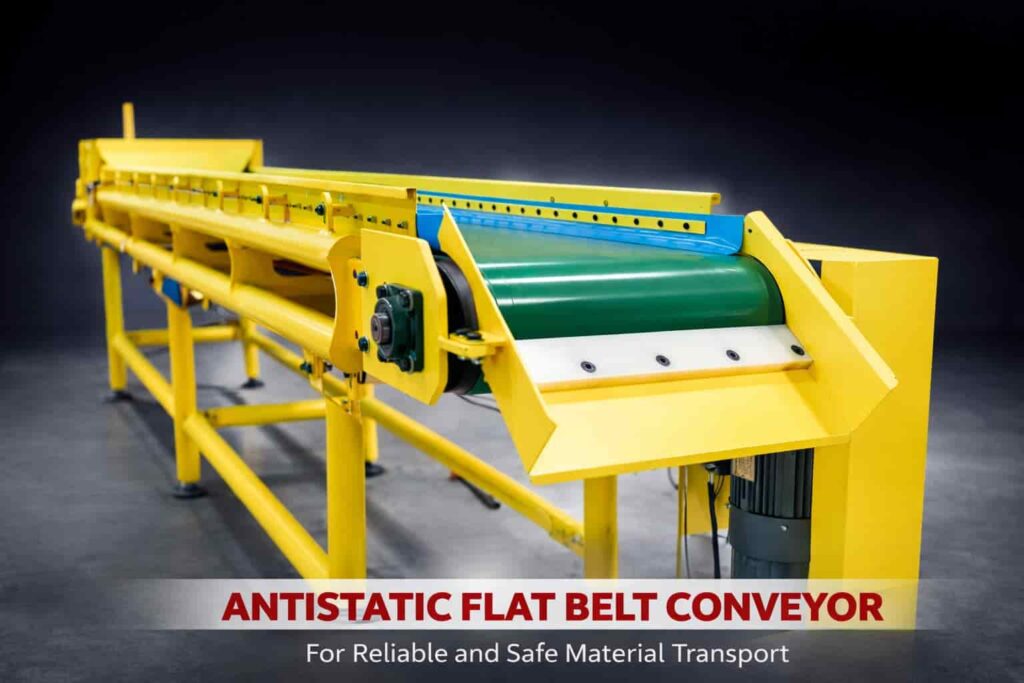
Belt conveyors can transfer formed or dried pasta between suitable processing stages. Belt material, speed, transfer height and drop points should be selected to minimize breakage and support hygienic operation.
3. Inclined Conveyors and Elevators
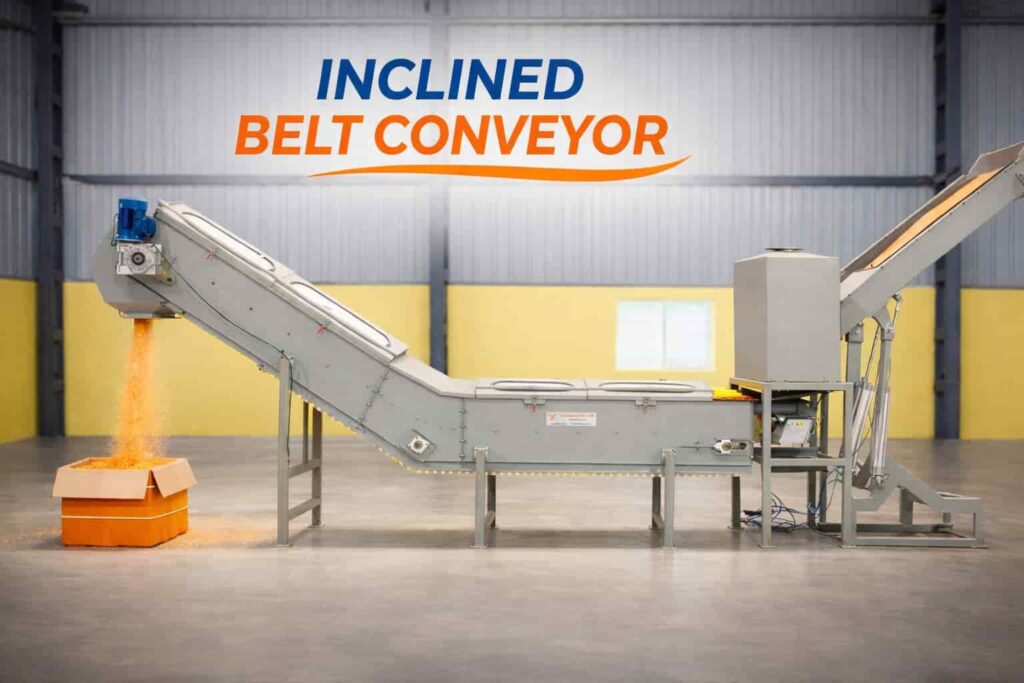
Inclined belt conveyors and suitable elevator systems help move products between different floor levels or machine elevations. The design should match product fragility, throughput and available factory space.
4. Distribution and Inspection Conveyors
Distribution systems can feed downstream equipment, while inspection conveyors provide an accessible product-handling point for visual checks or integration with suitable inspection technology.
5. Packaging-Line Conveyors
Conveyors can connect weighing, filling, sealing, coding and carton-handling stations. Proper synchronization helps prevent product accumulation and interruptions between machines.
6. Automated Product Transfer
Integrated transfer systems can reduce unnecessary manual handling and improve workflow. Sensors, controls and interlocks can be considered according to the required level of automation.
Yuga-We100 designs and manufactures customized conveying and material handling solutions for industrial food processing applications. To explore suitable equipment, visit our food processing industry solutions and official website .
Types of Pasta Production Lines
Different pasta products require different forming methods, processing parameters and handling arrangements. A production line should be designed around the final product rather than selecting equipment based only on its rated output.
Short-Cut Pasta Production Line
Used for products such as macaroni, penne, fusilli and similar shapes. The line typically includes dough preparation, extrusion, cutting, drying, cooling and packaging equipment.
Long-Cut Pasta Production Line
Designed for spaghetti, linguine and other long pasta varieties. Specialized extrusion, spreading or hanging, drying and cutting arrangements may be needed.
Fresh Pasta Production Line
Produces pasta intended for fresh or refrigerated distribution. Forming, portioning, cooling where applicable, packaging and shelf-life controls differ from dry pasta production.
Specialty Pasta Production Line
Used for selected whole-wheat, multigrain, fortified, gluten-free or other specialty formulations. Ingredients and process parameters must be validated for each product.
How to Plan a Pasta Manufacturing Plant in India
Before purchasing pasta manufacturing machinery, businesses should prepare a clear technical and commercial plan. Equipment capacity, utility requirements, production space and product specifications all influence the final investment.
1. Decide Your Product Range
Determine whether the factory will manufacture macaroni, penne, fusilli, spaghetti, fresh pasta or multiple varieties. The selected product range determines the forming equipment, dies, drying arrangements and packaging requirements.
2. Define Production Capacity
Estimate the required output in kilograms per hour or tonnes per day. Confirm whether quoted capacity refers to wet product, dried pasta or packed finished goods. Actual output depends on product specifications, operating hours, changeovers and production efficiency.
3. Plan the Factory Layout
Organize receiving, storage, processing, drying, packing and finished-goods dispatch areas to support a logical workflow. Allow sufficient access for cleaning, maintenance, inspection and safe operator movement.
4. Evaluate Utilities and Infrastructure
Review electrical load, water quality and supply, compressed air where required, ventilation, environmental controls and drying energy requirements. Utility specifications should be obtained from the selected machinery suppliers before finalizing the layout.
5. Focus on Hygiene and Food Safety
Select suitable food-contact materials and equipment designs that permit effective cleaning and inspection. Develop cleaning procedures, pest-control measures, traceability systems and quality checks appropriate to the product and applicable Indian food safety regulations.
6. Plan for Future Expansion
Consider future product varieties, higher production output, additional packaging formats and automation upgrades. Modular equipment layouts and appropriately sized conveying systems can make later expansion easier.
What Determines the Cost of a Pasta Manufacturing Plant?
There is no single price for every pasta manufacturing plant. The project cost depends on the production capacity, product type, level of automation, drying technology, factory infrastructure and scope of machinery supply.
| Cost Factor | What to Consider |
|---|---|
| Production Capacity | Required hourly output and operating schedule. |
| Product Variety | Number of shapes, dies, recipes and changeover requirements. |
| Automation Level | Manual, semi-automatic or integrated automated operation. |
| Drying Technology | Dryer capacity, controls, energy consumption and product requirements. |
| Material Handling | Number, length and type of conveyors, elevators and transfer points. |
| Packaging Equipment | Pack sizes, weighing accuracy, sealing and secondary packaging. |
| Installation and Utilities | Site preparation, electrical work, ventilation and commissioning. |
For an accurate project estimate, request a detailed quotation based on your required capacity, product specifications, machinery list, installation scope and factory layout. Include operating costs, maintenance, spare parts and energy consumption when comparing equipment suppliers.
Why Choose Customized Material Handling Solutions?
A pasta manufacturing plant contains multiple machines that need to work together. Even when the primary processing equipment is efficient, poorly planned transfers can lead to bottlenecks, product damage, excessive manual handling and uneven feeding.
Customized conveying solutions help manufacturers plan equipment connections around the available space, machine discharge heights, product characteristics and required throughput. Hygienic design, suitable belt selection, accessible cleaning points and appropriate controls should be considered during the engineering stage.
Yuga-We100 offers customized conveyor systems, elevating solutions, inspection equipment and material handling systems for food processing applications. The suitability of individual machines for a pasta plant should be confirmed with the engineering team based on the process requirements.
Learn more about Yuga-We100’s engineering and manufacturing capabilities or contact the team for a project discussion .
Frequently Asked Questions
1. What machinery is required for a pasta manufacturing plant?
Common equipment includes raw material storage and feeding systems, sifters, dough mixers, pasta extruders, dies, cutting units, dryers, cooling systems, conveyors, inspection equipment, weighing machines and packaging equipment. The exact list depends on the product and production capacity.
2. What is the process of manufacturing dry pasta?
A typical dry pasta process involves ingredient preparation, mixing, extrusion or forming, cutting, controlled drying, cooling, quality inspection and packaging. Process settings vary with the pasta shape, formulation and equipment.
3. Can different pasta shapes be produced on one line?
Some production lines can manufacture several shapes by changing dies and selected components. The capability depends on the extruder design, cutting system, drying arrangement and changeover requirements.
4. What is the cost of setting up a pasta factory in India?
The cost varies according to output capacity, machinery configuration, automation, dryer technology, packaging equipment, installation and building infrastructure. A supplier should prepare a quotation against a defined technical specification.
5. Why are conveyors important in a pasta production line?
Conveyors transfer pasta between suitable processing stages, reduce unnecessary manual movement and help coordinate equipment. Proper design also helps minimize product breakage, accumulation and interruptions.
6. Does Yuga-We100 provide food processing conveyors?
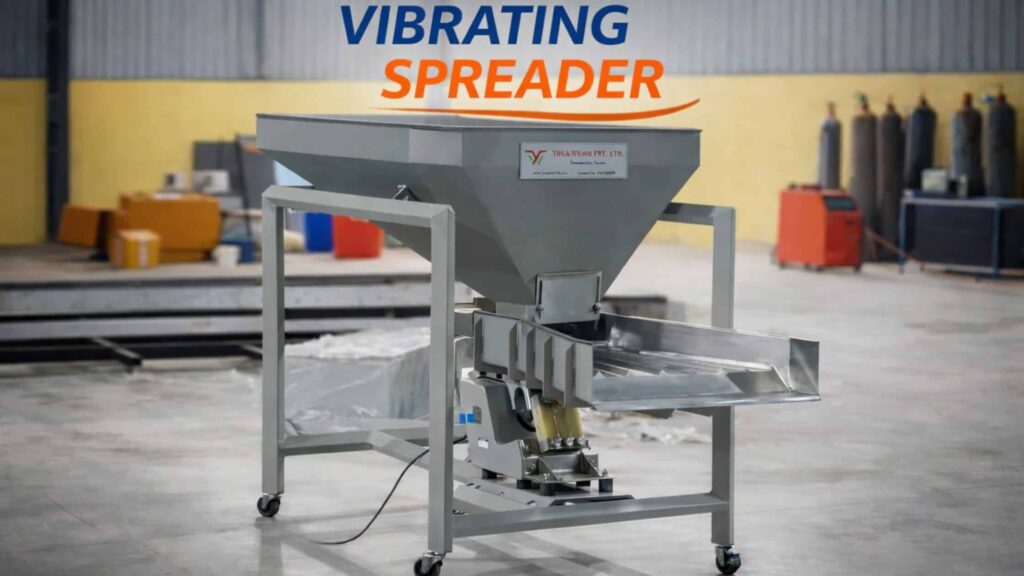
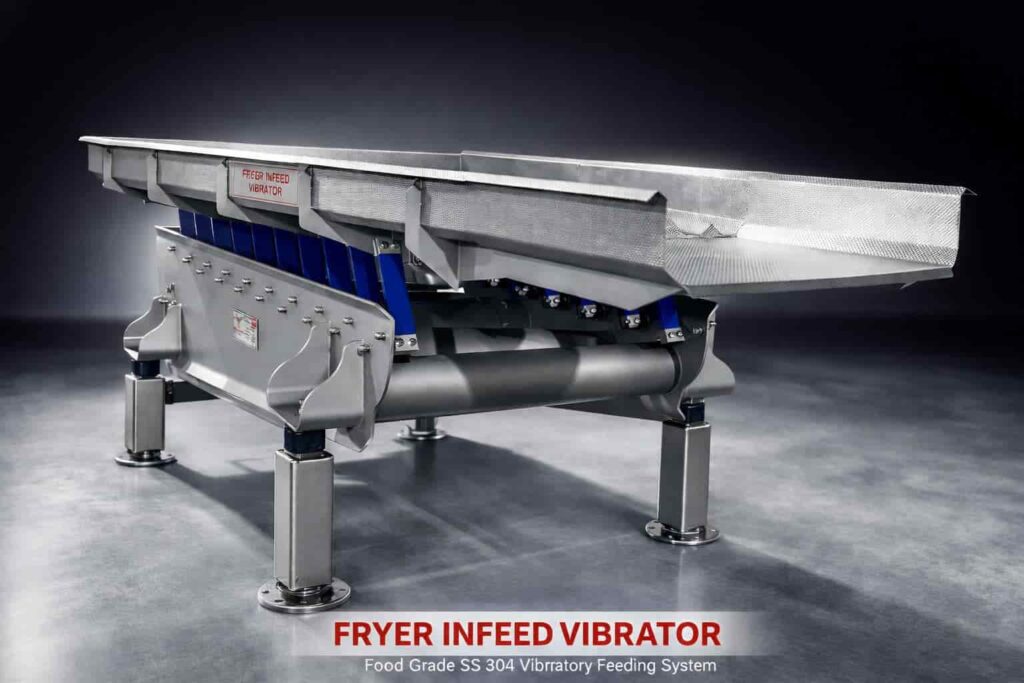
Yes. Yuga-We100 designs and manufactures customized conveying, elevating, vibratory and material handling equipment for food processing applications. Discuss your pasta production requirements with the team to confirm the appropriate equipment and integration scope.
7. What should I share when requesting a machinery quotation?
Share your pasta varieties, required output per hour, product specifications, factory dimensions, preferred automation level, packaging formats and utility details. A preliminary process flow or layout is also useful.
Planning a Food Manufacturing Production Line?
Looking for customized conveyors, elevators, inspection systems or material handling solutions for your food processing plant? Connect with Yuga-We100 to discuss your requirements and explore suitable engineering options.
Request a Consultation Explore Food Processing SolutionsYuga-We100 Private Limited | Food Processing Machinery and Material Handling Solutions | Pune, Maharashtra, India
Conclusion
Establishing a pasta manufacturing plant in India requires careful selection of processing machinery, a suitable drying system, hygienic product handling, quality-control equipment and an efficient packaging line. A clear process plan helps manufacturers choose equipment that meets their product specifications and production targets.
For a successful setup, evaluate the complete workflow rather than purchasing individual machines in isolation. Proper integration of conveyors, elevators and transfer systems can support smooth product movement and help the plant operate efficiently.
If your project requires customized industrial conveying and material handling equipment, visit Yuga-We100 to explore available solutions and discuss your application with the engineering team.