Table of Contents
Introduction
Frying is one of the most critical stages in potato chips manufacturing. The type of frying system directly affects product quality, production capacity, operating costs, oil consumption, and profitability. Manufacturers planning a new potato chips manufacturing plant often face a common question: Should they invest in a batch type potato chips line or a continuous frying system?
The answer depends on production goals, budget, available space, labor requirements, and future expansion plans. In this guide, we compare both technologies in detail to help food manufacturers make the right investment decision.
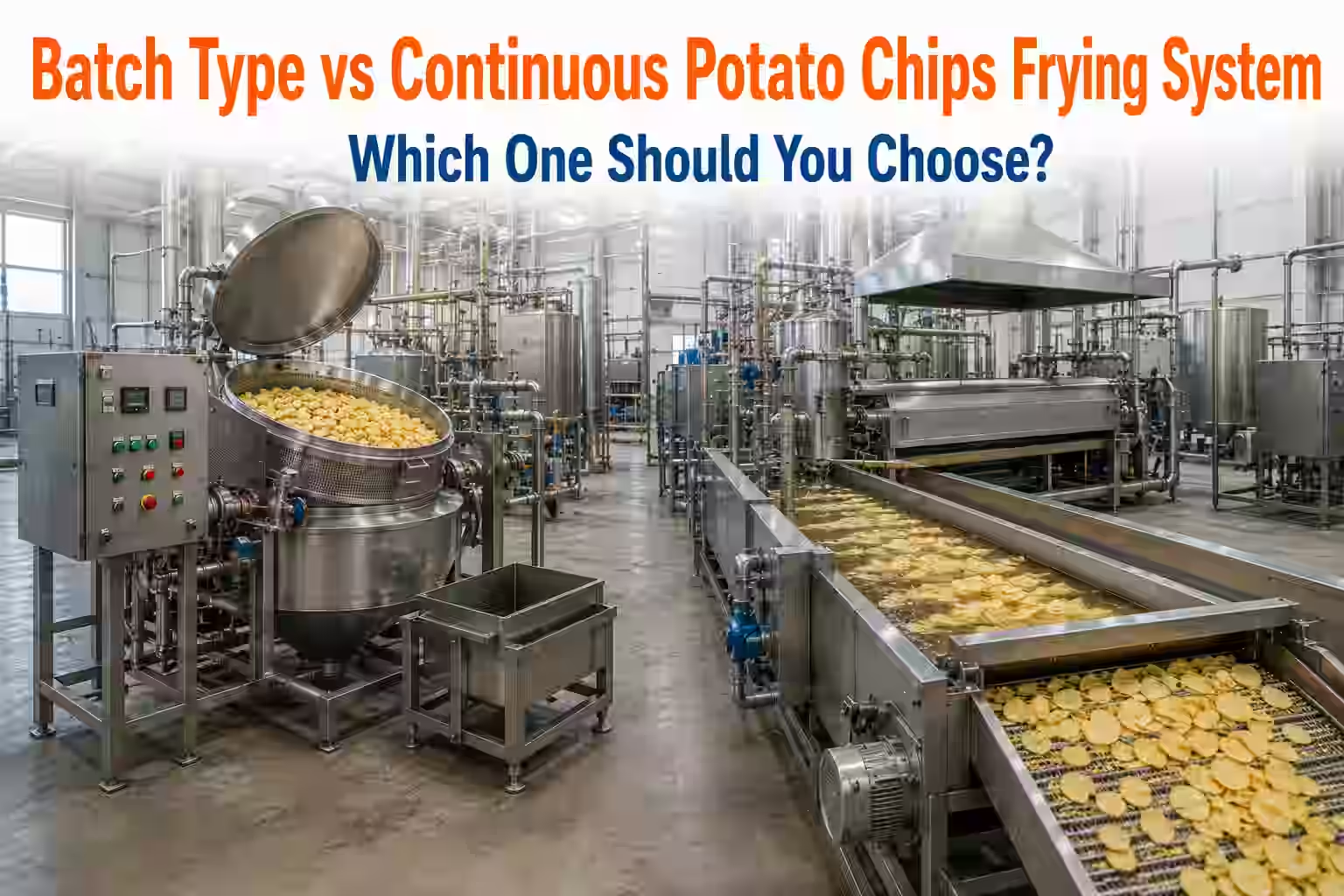
When comparing a Batch Type vs Continuous Potato Chips Frying System, manufacturers must evaluate production capacity, automation requirements, operating costs, and future expansion plans. Understanding the differences between a Batch Type vs Continuous Potato Chips Frying System helps businesses choose the most profitable potato chips manufacturing solution.
Understanding Potato Chips Frying Systems
A frying system is responsible for transforming raw potato slices into crispy, golden potato chips. Modern potato chips production lines use advanced temperature controls, oil filtration systems, and automated handling equipment to ensure consistent product quality.
Today’s market mainly offers two frying technologies:
- Batch Type Potato Chips Line
- Continuous Frying System
Each system offers unique advantages depending on the scale of production and investment requirements.
What is a Batch Type Potato Chips Line?
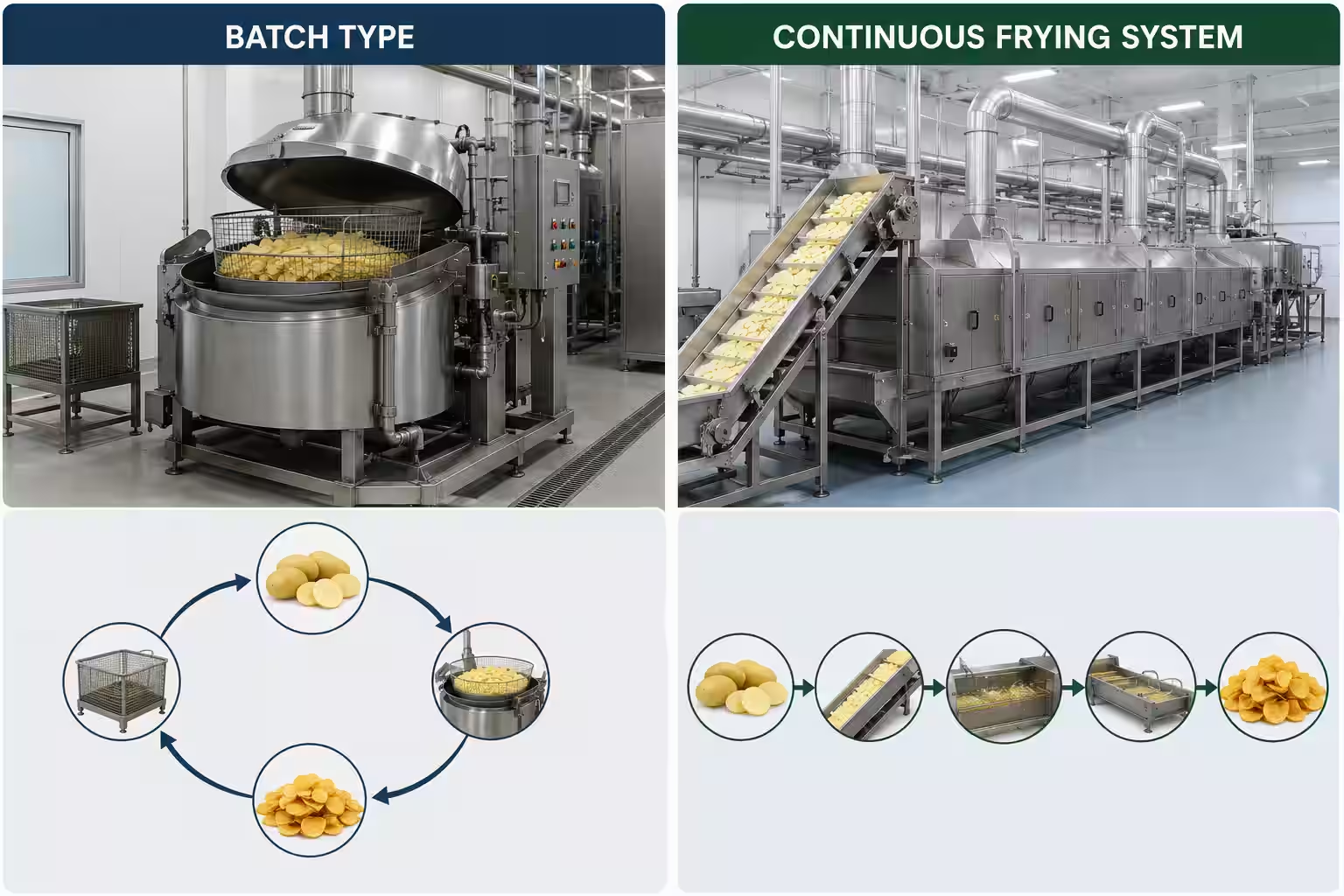
A batch type potato chips line processes potatoes in separate batches. Operators load a fixed quantity of sliced potatoes into the fryer, complete the frying cycle, discharge the finished chips, and then begin the next batch.
This method is commonly used by startups, small snack manufacturers, and businesses producing specialty potato chips in limited quantities.
Benefits of Batch Frying
- Lower initial investment
- Simple operation and maintenance
- Suitable for small-scale production
- Easy recipe and flavor changes
- Flexible production scheduling
What is a Continuous Frying System?
A continuous frying system is designed for uninterrupted production. Potato slices enter one end of the fryer and move continuously through the frying zone before exiting as finished chips. The entire process operates automatically with minimal manual intervention.
Continuous systems are widely used in large potato chips manufacturing plants that require high output, consistent quality, and maximum efficiency.
Benefits of Continuous Frying
- High production capacity
- Consistent frying quality
- Reduced labor requirements
- Improved oil utilization
- Higher production efficiency
- Suitable for 24/7 operations
Batch Type vs Continuous Frying System Comparison
| Parameter | Batch Frying | Continuous Frying |
|---|---|---|
| Production Capacity | Low to Medium | Medium to Very High |
| Automation Level | Semi Automatic | Fully Automatic |
| Labor Requirement | Higher | Lower |
| Oil Efficiency | Moderate | Excellent |
| Product Consistency | Variable | Highly Consistent |
| Investment Cost | Lower | Higher |
| Maintenance | Simple | Advanced |
| Production Scalability | Limited | Excellent |
Advantages & Limitations
| Aspect | Batch Type Potato Chips Line | Continuous Frying System |
|---|---|---|
| Initial Investment | Lower | Higher |
| Production Capacity | Small to Medium | Medium to Large Scale |
| Labor Requirement | Higher | Lower |
| Product Consistency | Moderate | Excellent |
| Flexibility | Very High | Moderate |
| Expansion Potential | Limited | Excellent |
A batch type potato chips line is ideal for startups and businesses with limited production requirements. However, as production demand increases, a continuous frying system becomes a more efficient and profitable solution.
Manufacturers planning long-term growth often prefer continuous frying systems because of their higher productivity, automation, and lower operating costs per kilogram of finished product.
Applications
Both frying technologies are widely used across the food processing industry. The selection depends on production volume, product variety, and investment capability.
- Potato Chips Manufacturing Plants
- Namkeen Processing Units
- Snack Food Production Facilities
- Frozen Food Processing Plants
- Food Export Manufacturing Units
- Private Label Snack Manufacturing
- Large FMCG Food Production Plants
- Contract Food Processing Facilities
Buying Guide
Selecting the right frying system requires careful evaluation of your current production requirements and future business goals.
- Determine daily production capacity targets.
- Analyze available factory space.
- Consider future production expansion plans.
- Evaluate labor availability and costs.
- Review energy consumption requirements.
- Select food-grade stainless steel construction.
- Check oil filtration and temperature control features.
- Partner with an experienced Potato Chips Fryer Manufacturer.
Small businesses typically start with a batch type potato chips line because of its lower investment requirement. Large manufacturers generally choose a continuous frying system to maximize output and reduce production costs.
Before investing in a Batch Type vs Continuous Potato Chips Frying System, companies should calculate expected production demand, labor costs, energy consumption, and return on investment. Selecting the right frying technology ensures long-term profitability and consistent product quality.
Related Solutions from Yuga-We100
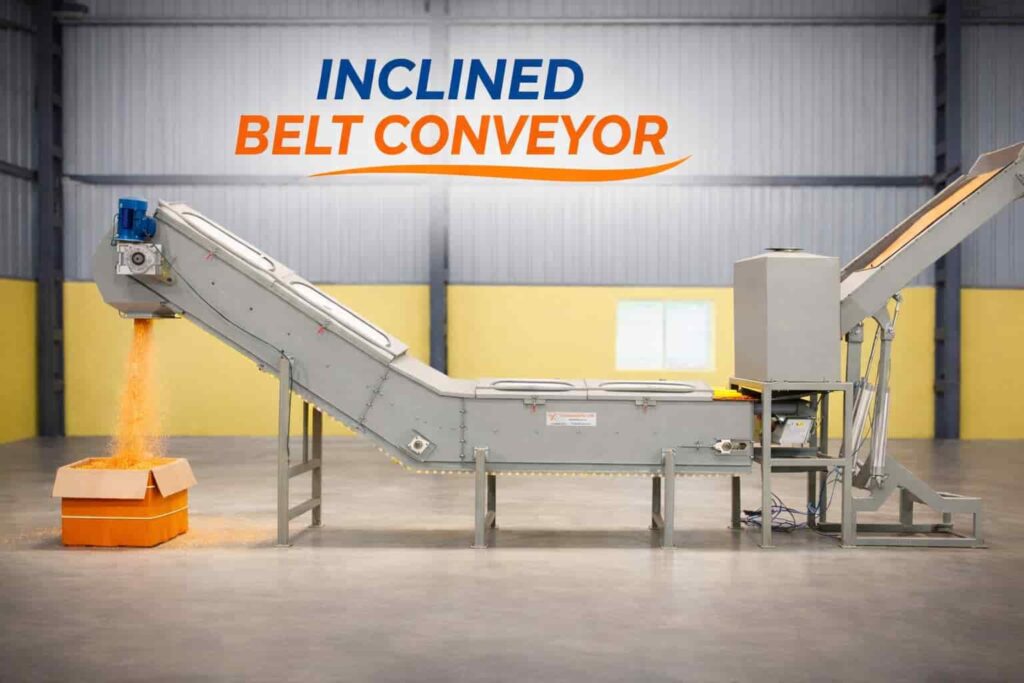
Potato Processing LineDistribution ConveyorInclined Belt ConveyorZ Bucket ElevatorScrew ConveyorFrozen Food Processing LineWhy Choose Yuga-We100?
Yuga-We100 is a trusted Potato Chips Fryer Manufacturer delivering complete potato chips manufacturing solutions for startups, medium-scale producers, and large industrial food processing companies.
- Complete Turnkey Potato Chips Plant Solutions
- Food Grade SS304 Construction
- Advanced Automation Technology
- Custom Production Line Design
- Energy Efficient Equipment
- Reliable Technical Support
- Fast Installation & Commissioning
- Competitive Project Pricing
- Nationwide Service Support
- Experienced Engineering Team
Need the Right Potato Chips Frying System?
Contact Yuga-We100 today for expert guidance on selecting the best batch type potato chips line or continuous frying system for your production requirements.
Get Free ConsultationFrequently Asked Questions
1. Which frying system is best for small businesses?
Batch type potato chips lines are generally preferred because they require lower investment and offer production flexibility.
2. What is the biggest advantage of a continuous frying system?
High production capacity, consistent product quality, and lower operating costs.
3. Which system consumes less labor?
Continuous frying systems are highly automated and require fewer operators.
4. Can a continuous fryer operate 24/7?
Yes, continuous frying systems are designed for uninterrupted industrial production.
5. Which system provides better product consistency?
Continuous frying systems offer superior temperature control and product consistency.
6. What factors affect the choice between batch and continuous frying?
Production volume, budget, labor availability, factory space, and future expansion plans.
7. Does Yuga-We100 provide complete potato chips production lines?
Yes, Yuga-We100 supplies complete potato chips manufacturing plants including washing, peeling, slicing, frying, seasoning, and packaging systems.
8. Why choose Yuga-We100?
Because of our expertise in food processing equipment, customized engineering, reliable support, and complete turnkey solutions.
9. Which is better: Batch Type vs Continuous Potato Chips Frying System?
The choice between a Batch Type vs Continuous Potato Chips Frying System depends on production requirements. Batch systems suit startups, while continuous systems are ideal for high-volume industrial potato chips production.